
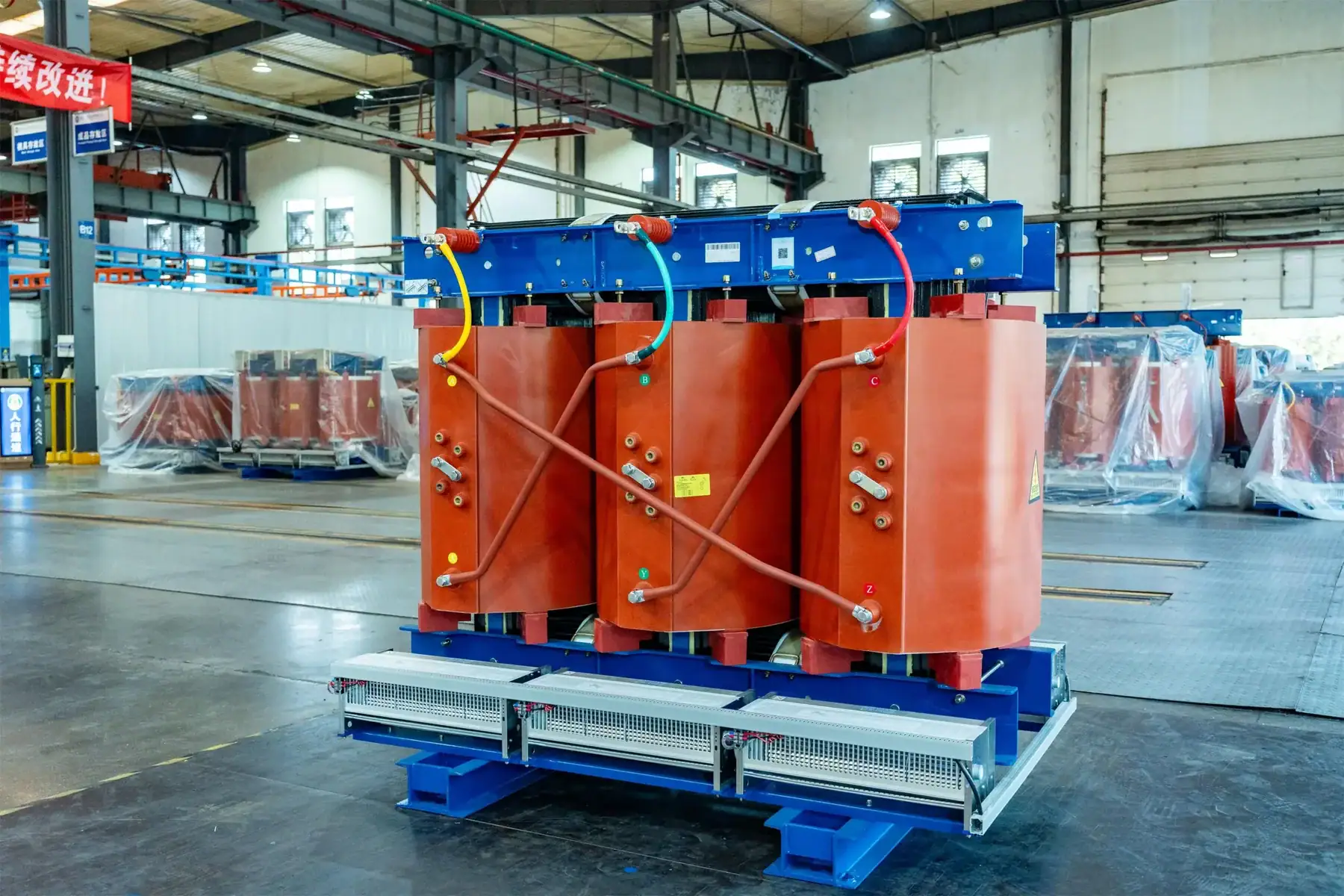
Dry type transformers are essential components in power distribution systems, ensuring that electricity is safely and efficiently transferred from one circuit to another. Among the various types of transformers, dry-type transformers are popular due to their safety and environmental benefits. Understanding their normal operating temperature is crucial for maintaining optimal transformer performance and safety. In this article, we’ll dive into the key aspects of thermal management, transformer temperature range, and safety considerations specific to dry type transformers.
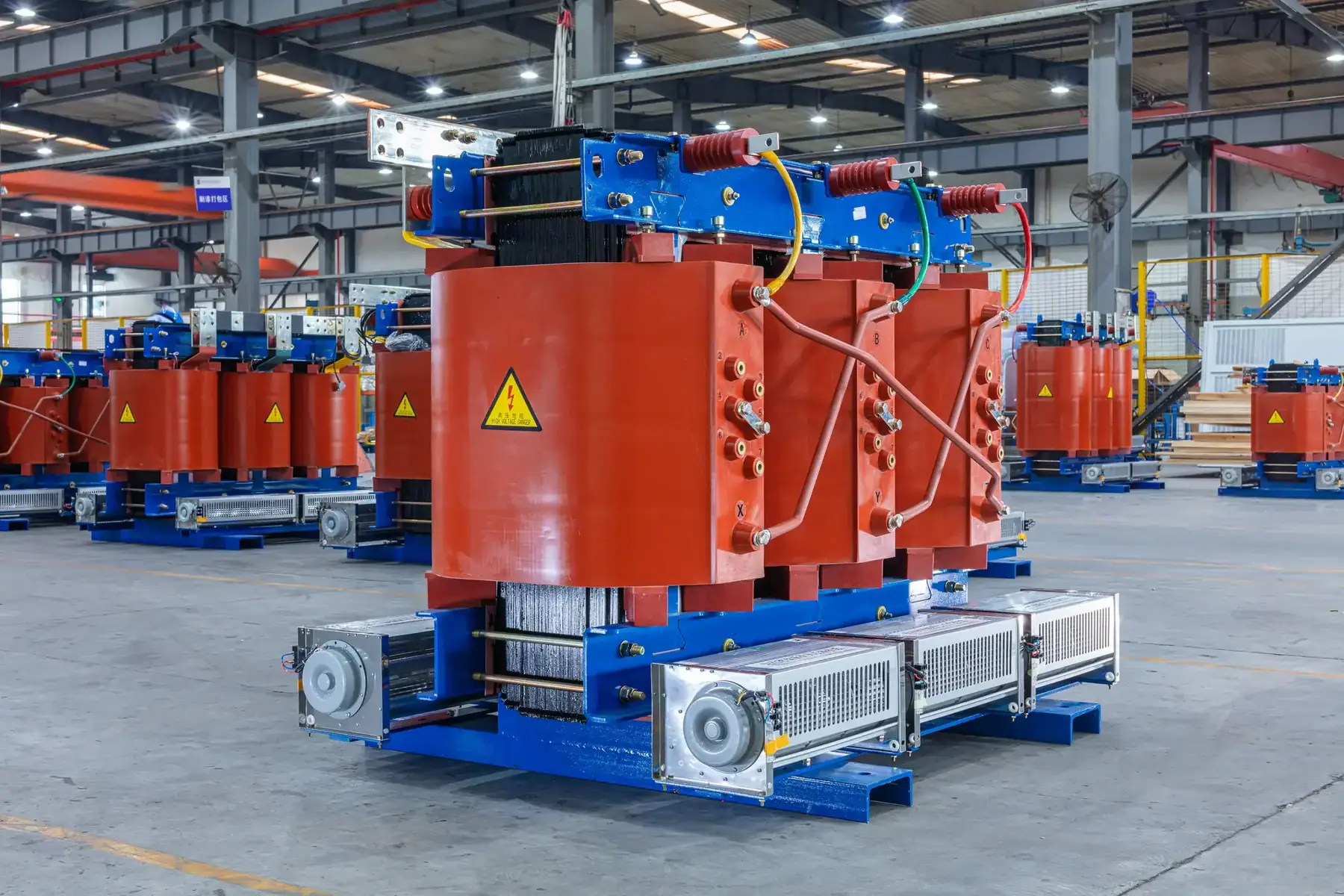
What Is a Dry Type Transformer?
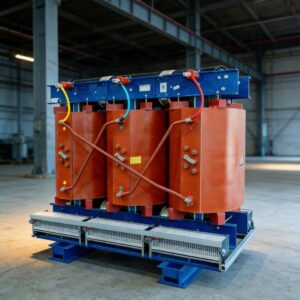
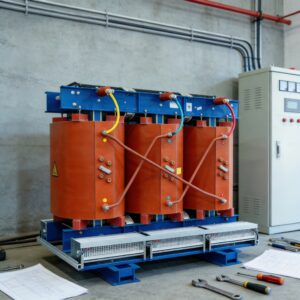
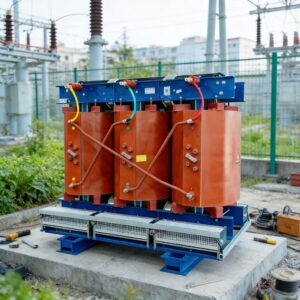
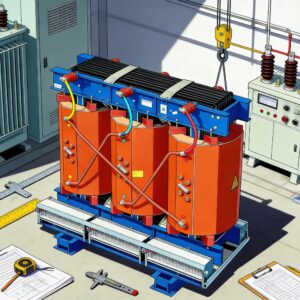
Dry type transformers use air as a cooling medium instead of oil, making them less flammable and environmentally friendly. They are typically used in areas where safety is a primary concern, such as schools, hospitals, and commercial buildings.
Key Features of Dry Type Transformers
- Safety: Reduced risk of fire due to the absence of flammable liquids.
- Environmentally Friendly: No oil means no risk of leaks or spills.
- Low Maintenance: Requires less maintenance compared to oil-filled transformers.
Importance of Transformer Temperature Management
The operating temperature of a transformer greatly influences its efficiency and lifespan. Proper thermal management ensures the transformer operates within its temperature limits, preventing damage to the insulation and other components.
How Temperature Affects Transformer Performance
- Efficiency: Excessive heat can reduce the transformer’s efficiency, leading to increased energy losses.
- Insulation: High temperatures can degrade the insulation, reducing its effectiveness and potentially leading to transformer failure.
- Lifespan: Operating at elevated temperatures can significantly shorten the transformer’s lifespan.
Normal Operating Temperature for Dry Type Transformers
The normal operating temperature for a dry-type transformer varies based on its design and the materials used. However, there are general guidelines to help determine the appropriate temperature range.
Transformer Temperature Range
- Ambient Temperature: Typically, the ambient temperature should not exceed 40°C (104°F).
- Winding Temperature Rise: The maximum temperature rise for the transformer’s windings above the ambient temperature should not exceed 100°C (212°F).
- Hot Spot Temperature: The hot spot temperature, which is the hottest point in the winding, should generally not exceed 150°C (302°F).
By staying within these temperature limits, the transformer can operate efficiently and safely, minimizing the risk of damage.
Factors Influencing Dry Type Transformer Operating Temperature
Several factors can influence the operating temperature of a dry-type transformer, including:
Load Conditions
The load a transformer carries directly affects its temperature. Overloading can cause excessive heat generation, pushing the transformer beyond its normal temperature range.
Environmental Conditions
The surrounding environment plays a significant role in a transformer’s temperature. High ambient temperatures or poor ventilation can lead to increased operating temperatures.
Transformer Design
The design and materials used in the construction of a transformer can also impact its thermal performance. High-quality insulation and cooling systems can help maintain optimal temperatures.
Tips for Managing Transformer Temperature

Effective thermal management is essential for ensuring the safe and efficient operation of a dry-type transformer. Here are some tips to help manage transformer temperature:
Regular Monitoring
- Temperature Sensors: Install temperature sensors to continuously monitor the transformer’s temperature.
- Periodic Inspections: Conduct regular inspections to identify any signs of overheating or insulation degradation.
Adequate Ventilation
Ensure the Dry Type Transformer is installed in a well-ventilated area to dissipate heat effectively. Avoid placing objects that could obstruct airflow around the transformer.
Load Management
Avoid overloading the Dry Type Transformers to prevent excessive heat generation. Monitor load conditions and adjust as necessary to maintain optimal performance.
Routine Maintenance
Perform regular maintenance to ensure the transformer and its components are in good working condition. This includes cleaning, inspecting insulation, and checking for any signs of wear or damage.
FAQ
1. Why does temperature matter for dry type transformers?
Temperature directly affects the insulation system, efficiency, load capacity, and overall lifespan of dry type transformers. Excessive heat can accelerate insulation aging and reduce operational reliability.
2. What is the normal operating temperature range for dry type transformers?
Most dry type transformers are designed to operate safely within insulation class limits, commonly:
- Class F: up to 155°C
- Class H: up to 180°C
Actual ambient operating temperatures are typically much lower.
3. How does high temperature affect transformer performance?
High temperatures can cause:
- Reduced insulation life
- Increased energy losses
- Lower efficiency
- Overheating of windings and core
- Potential shutdown or failure under overload conditions
4. Can low temperatures affect dry type transformers?
Yes. Extremely low temperatures may impact insulation flexibility, cooling characteristics, and startup performance, although dry type transformers generally perform well in cold environments.
5. How is transformer temperature controlled?
Temperature is managed through:
- Natural air cooling (AN)
- Forced air cooling with fans (AF)
- Ventilation systems
- Temperature monitoring devices and sensors
Conclusion
Understanding the normal operating temperature for a dry-type transformer is crucial for maintaining its performance, safety, and longevity. By managing temperature effectively and staying within recommended temperature limits, you can ensure that your transformer operates efficiently and safely. Regular monitoring, adequate ventilation, load management, and routine maintenance are key strategies to achieve optimal thermal management. By following these guidelines, you can maximize the lifespan of your dry type transformer and ensure reliable power distribution in your facility.

 English
 Français
 Español
 Deutsch