
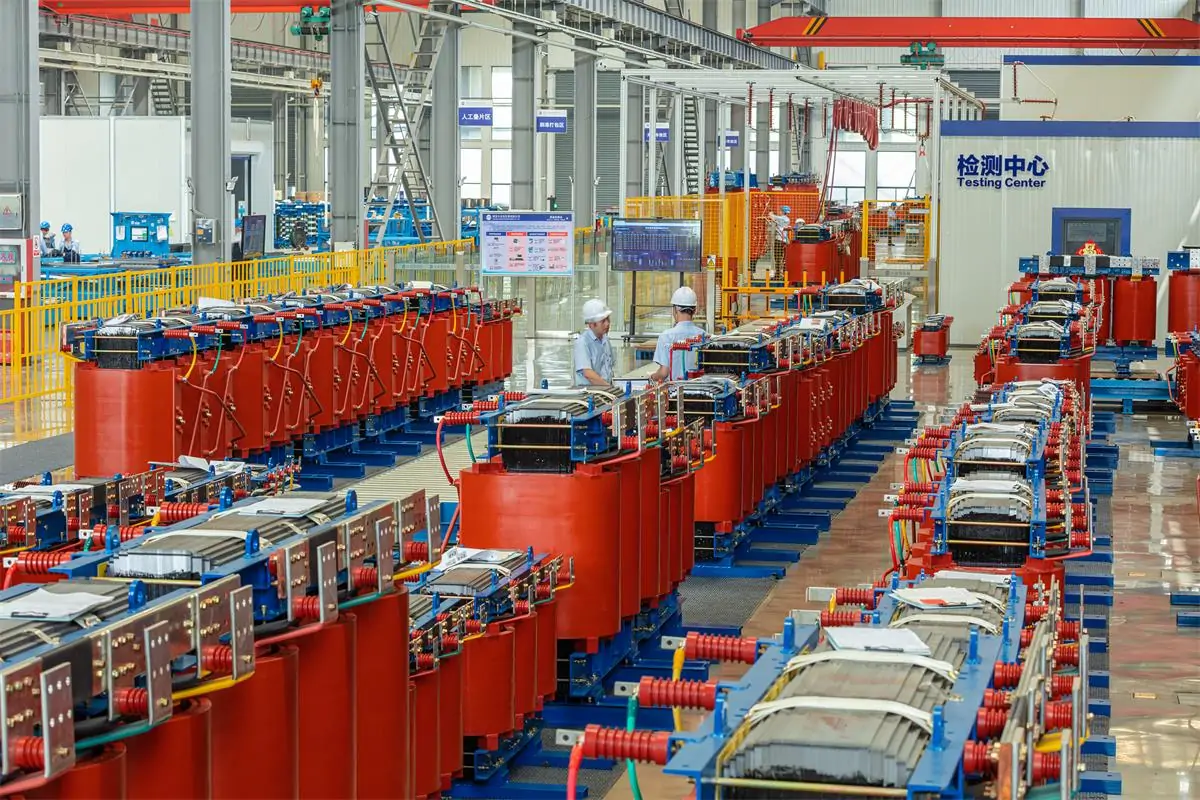
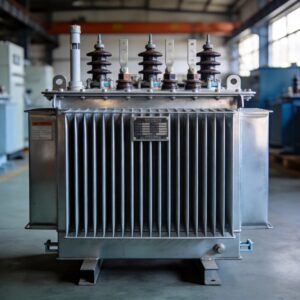
The Dry-Type Transformer is an essential electrical device that transfers energy between circuits through electromagnetic induction. It plays a crucial role in power transmission and distribution by adjusting voltage levels to meet different application requirements. By increasing or decreasing voltage, transformers help reduce energy losses and ensure efficient delivery of electricity over long distances.
In addition to large-scale power systems, transformers are widely used in electronic devices to supply a stable and appropriate voltage to components. This ensures safe and reliable operation, making transformers a vital part of modern electrical infrastructure.

Types of Transformers
Transformers can be broadly categorized based on their insulation and cooling methods. While all transformers perform energy transfer between circuits, their design varies depending on application conditions.
Oil-Filled Transformers
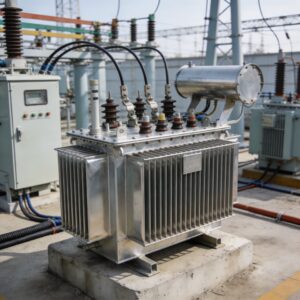
Oil-filled transformers use insulating oil to surround and cool their windings. The oil helps dissipate heat generated during operation and provides insulation against electrical faults.
These transformers are well-suited for heavy-duty applications and harsh environments. They are commonly installed outdoors, such as in substations and power plants, where high capacity and durability are required. The oil also protects internal components from moisture and contaminants.
However, oil-filled transformers require regular maintenance, including inspections for oil leaks, which can pose environmental and safety concerns.
Dry Type Transformers
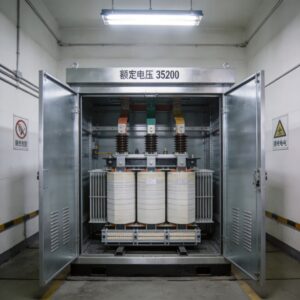
Dry type transformers use air or gas as the cooling medium instead of oil. They are typically enclosed in protective casings, which enhance safety and reduce the risk of electrical faults.
These transformers are mainly used indoors, especially in environments where fire safety and cleanliness are critical. Since they do not contain oil, they eliminate the risk of leakage and are less affected by environmental contamination.
Dry type transformers are widely used in hospitals, schools, office buildings, and commercial facilities where low maintenance and high safety standards are required.
Oil-Cooled Dry-Type Transformers
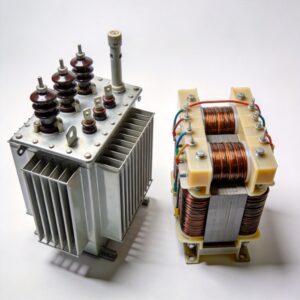
An oil-cooled dry-type transformer combines the advantages of both oil-filled and dry-type designs. In this hybrid system, oil is used in a controlled manner to improve cooling performance while maintaining many of the safety benefits of dry-type transformers.
This innovative design provides a balanced solution for modern power distribution needs.
Key Features
Efficient Cooling System
Oil is used as a cooling medium to enhance heat dissipation. This improves operational efficiency and allows the transformer to handle higher loads while maintaining stable temperatures.
Improved Performance and Reliability
The combination of cooling methods reduces thermal stress and vibration, resulting in more stable and reliable operation. This extends the lifespan of the transformer.
Energy Efficiency
Better cooling reduces energy losses, improving overall efficiency and lowering operating costs over time.
Environmentally Friendly Design
Compared to traditional oil-filled transformers, this type uses significantly less oil. This reduces environmental risks and supports sustainability goals.
Advantages of Oil-Cooled Dry-Type Transformers
1. Enhanced Cooling Efficiency
These transformers operate at lower temperatures compared to air-cooled dry types. Lower temperatures reduce insulation aging and extend equipment life.
2. High Stability and Low Stress
Stable operating temperatures minimize mechanical and thermal stress, ensuring consistent performance even under demanding conditions.
3. Improved Safety
With reduced oil content, the risk of fire and environmental damage is significantly lower. These transformers are suitable for hazardous or sensitive environments, including areas with strict fire safety requirements.
4. Environmental Benefits
Less oil usage means reduced risk of spills and pollution. Many components are recyclable, contributing to sustainable development and reduced carbon footprint.
5. Cost-Effectiveness
Although initial investment may be higher, long-term savings are achieved through lower maintenance costs, improved efficiency, and longer service life.
Applications
Oil-cooled dry-type transformers are versatile and widely used across various industries:
Commercial Buildings
Ideal for indoor use in office buildings, shopping malls, and public facilities where safety and space efficiency are important.
Industrial Facilities
Provide reliable and efficient power for manufacturing, mining, and automation systems. Their ability to handle high loads makes them suitable for demanding operations.
Data Centers
Ensure stable and uninterrupted power supply with minimal fire risk, supporting critical IT infrastructure.
Hospitals
Offer high reliability and safety, which are essential for medical environments where continuous power is crucial.
Renewable Energy Projects
Support sustainable energy systems such as wind and solar farms by improving efficiency and reducing environmental impact.
Transformer Efficiency and Cooling Importance
The efficiency of a transformer is closely related to its cooling system. Poor cooling can lead to overheating, increased energy losses, and potential equipment failure.
Oil-cooled dry-type transformers optimize heat management, ensuring consistent performance and reducing operational risks. Choosing the right cooling method is critical for maintaining system reliability and minimizing costs.
In industries such as healthcare and data processing, where continuous operation is required, an efficient cooling system is essential to prevent downtime and ensure safety.
Conclusion
Oil-cooled dry-type transformers represent an advanced solution in modern power distribution. By combining the strengths of oil-filled and dry-type transformers, they offer improved efficiency, enhanced safety, and better environmental performance.
These transformers are well-suited for a wide range of applications, from commercial buildings to industrial facilities and renewable energy systems. Their ability to deliver reliable, efficient, and eco-friendly power makes them an ideal choice for today’s energy demands.
With the right transformer solution, businesses and organizations can achieve stable power distribution while reducing operational costs and environmental impact.

 English
 Français
 Español
 Deutsch