
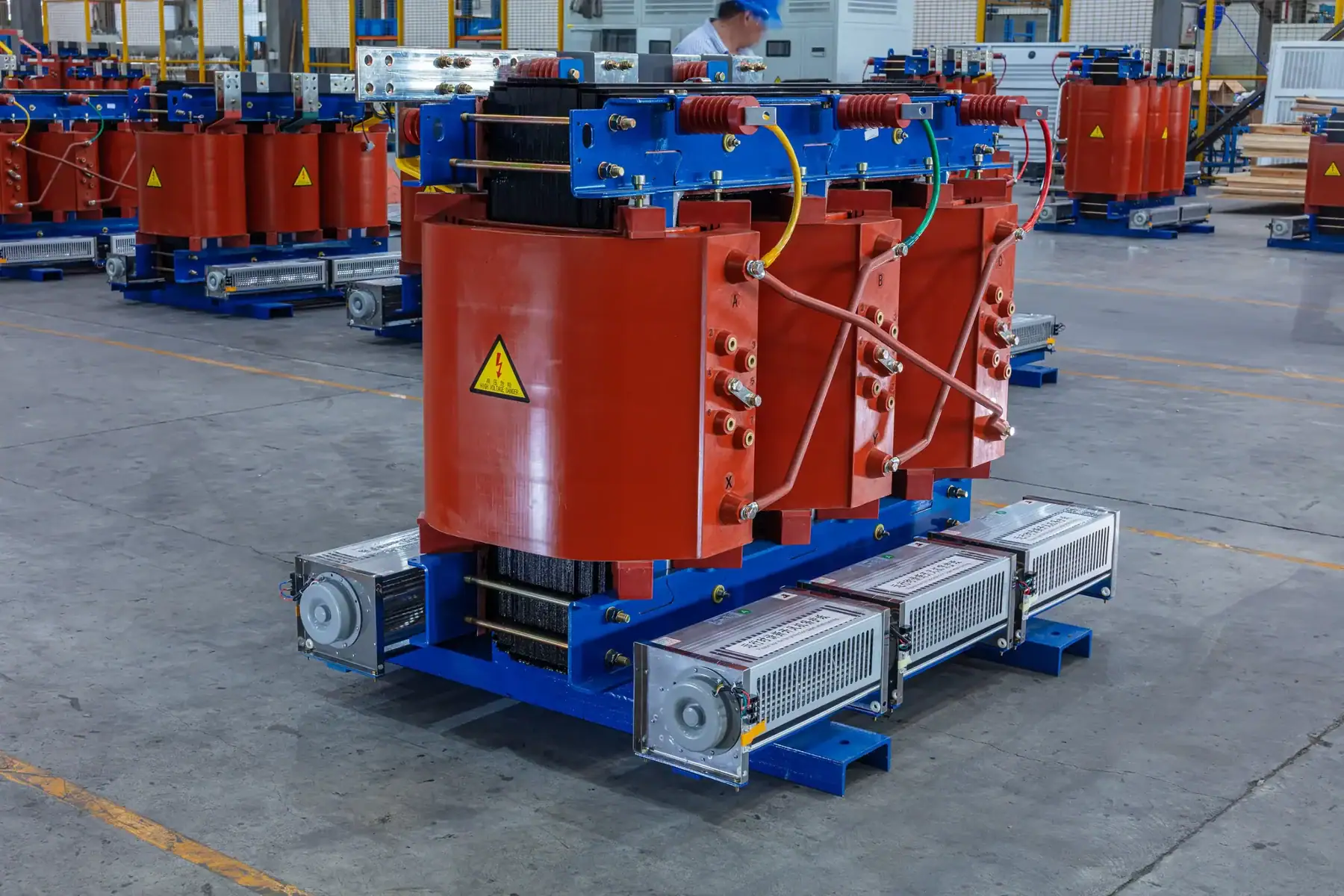
Ensuring the safety and efficiency of electrical installations is paramount, and understanding the clearance standards for dry type transformers is a vital part of this process. These transformers, known for their reliability and safety, require specific spacing and ventilation to function properly and safely. In this article, we delve into the essential clearance standards and requirements you need to know.
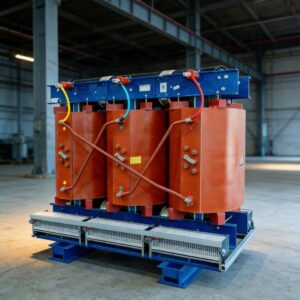
A dry type transformer is a type of electrical transformer that does not use any liquid for cooling. Instead, it relies on air to cool the system. This makes them ideal for indoor installations, providing high safety and reliability. Unlike oil-filled transformers, dry type transformers eliminate the risk of oil leaks and flammable materials, making them suitable for environments where fire safety is a concern.
- Safety: Without oil, the risk of fire is significantly reduced. The absence of flammable materials ensures that dry type transformers can be installed in high-risk areas without compromising safety. Additionally, the lack of oil means that the transformer is less susceptible to the risk of oil-related failures or contamination.
- Eco-Friendly: No risk of oil leaks, making them environmentally friendly. Dry type transformers are recognised for their minimal environmental impact, as they do not contain hazardous materials that could potentially harm the environment. This makes them an excellent choice for eco-conscious organisations and installations.
- Low Maintenance: With no liquid to monitor, maintenance is easier and less frequent. The simple design of dry type transformers reduces the need for regular maintenance checks, allowing for more efficient operation and lower long-term costs. Their robust construction also tends to offer a longer service life compared to liquid-filled transformers.

Why Clearance Standards Matter
Clearance standards ensure that transformers operate safely and efficiently. Adequate space around a transformer allows for proper ventilation, reduces heat build-up, and minimizes the risk of electrical hazards. These standards are crucial not only for the performance of the transformer but also for the safety of the surrounding environment and personnel.
Transformer Safety and Efficiency
- Heat Dissipation: Proper clearance allows heat to dissipate effectively, preventing overheating. Overheating can lead to equipment failure and pose fire hazards, making it essential to maintain the necessary clearance. Adequate spacing around the transformer ensures that heat does not accumulate, promoting a stable operating temperature.
- Access for Maintenance: Adequate space ensures that technicians can safely access the transformer for routine checks and maintenance. Routine maintenance is crucial for identifying potential issues before they become serious problems. Ensuring sufficient clearance allows technicians to perform inspections and repairs without hindrance.
- Compliance with Electrical Codes: Adhering to clearance standards helps meet local and national electrical safety codes. Compliance with these codes is not only a legal requirement but also a best practice to ensure the safety and longevity of the installation. Failure to meet these standards can result in penalties and increased safety risks.
Key Clearance Requirements for Dry Type Transformers
Understanding and implementing the correct clearance standards is essential for any installation. These requirements are designed to ensure that transformers operate under optimal conditions, reducing the risk of failures and hazards.
General Clearance Guidelines
- Top Clearance: Maintain a minimum clearance of 300 mm (12 inches) above the transformer. This clearance is necessary to allow heat to rise and dissipate away from the transformer effectively. It also provides space for any necessary ventilation systems that might be installed above the unit.
- Side Clearance: Ensure at least 150 mm (6 inches) on both sides of the transformer. Side clearance is crucial for allowing airflow around the transformer, helping to maintain a stable operating environment. This space also provides room for any necessary adjustments or modifications.
- Front and Back Clearance: At least 1 meter (39 inches) should be maintained for access and ventilation. This space is essential for technicians to perform maintenance safely and for the installation of any additional equipment that may be required. Adequate front and back clearance also facilitates proper airflow, preventing overheating.

Specific Electrical Code Requirements
Electrical codes such as the National Electrical Code (NEC) in the United States provide specific guidelines for transformer installation. These guidelines are based on extensive research and industry standards to ensure maximum safety and efficiency.
- NEC Guidelines: According to NEC, a minimum clearance of 30 inches in front of the transformer is required for safe operation and maintenance. This clearance ensures that personnel have adequate space to work safely, reducing the risk of accidents and injuries.
- Ventilation Requirements: Adequate ventilation must be ensured to prevent overheating and maintain efficiency. Proper ventilation systems are crucial for maintaining optimal operating temperatures, which enhances the performance and lifespan of the transformer. These systems help to mitigate the risk of heat-related issues.
Transformer Room Clearance
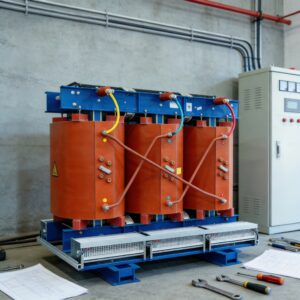
In some cases, transformers are installed in dedicated rooms, requiring specific spacing and safety considerations. These rooms are designed to house transformers while ensuring safety and compliance with regulatory standards.
Room Design Considerations
- Space Planning: Design the room to allow for necessary clearances around the transformer. Consider the overall layout to ensure that the transformer can be installed and accessed without obstruction. Proper space planning is crucial for efficient operation and maintenance.
- Ventilation Systems: Install ventilation systems to enhance airflow and maintain the temperature within safe limits. Effective ventilation systems are essential for preventing heat build-up and ensuring that the transformer operates within its optimal temperature range. These systems contribute significantly to the safety and efficiency of the installation.
- Access Points: Ensure easy access to the transformer for maintenance and emergencies. Adequate access points are crucial for allowing quick entry and exit in case of emergencies. They also facilitate routine maintenance and inspections, ensuring that the installation remains compliant and safe.

Installation Best Practices
Following best practices during installation can enhance safety and performance. Adhering to these practices ensures that the transformer operates efficiently and safely throughout its lifespan.
Proper Installation Techniques
- Secure Mounting: Ensure the transformer is securely mounted and stable. Proper mounting is essential for preventing movement or vibrations that could damage the transformer or connected equipment. Secure installation also reduces the risk of accidents and equipment failure.
- Cable Management: Organise cables to prevent interference with ventilation and access. Proper cable management is crucial for maintaining a tidy and efficient installation. It helps prevent cable damage and ensures that the transformer operates without obstructions.
- Regular Inspections: Schedule regular inspections to ensure compliance with clearance standards and safety codes. Routine inspections are vital for identifying potential issues and ensuring that the installation remains compliant with all relevant codes and standards. These inspections help to maximise the lifespan and efficiency of the transformer.
Common Mistakes to Avoid
- Inadequate Clearance: Failing to provide adequate clearance can lead to overheating and increased risk of fire. Ensuring proper clearance is fundamental to the safe and efficient operation of the transformer. Overlooking clearance requirements can result in costly repairs and safety hazards.
- Poor Ventilation: Neglecting ventilation can reduce transformer efficiency and lifespan. Adequate ventilation is essential for maintaining optimal operating conditions and preventing heat-related issues. Poor ventilation can lead to decreased performance and increased maintenance costs.
- Ignoring Codes: Non-compliance with electrical codes can result in fines and increased safety risks. Adhering to all relevant electrical codes is essential for ensuring the safety and legality of the installation. Failing to comply with these codes can result in legal and financial consequences.
Conclusion
Understanding and adhering to dry type transformer clearance standards is crucial for ensuring safety, efficiency, and compliance with electrical codes. By maintaining proper clearance and ventilation, you can prevent overheating, facilitate maintenance, and enhance the lifespan of your transformer installation. Always refer to specific local codes and guidelines to ensure your installation meets all requirements.
Incorporating these standards into your transformer installations will not only improve safety but also enhance the overall performance and reliability of your electrical systems. Proper planning and adherence to best practices are key to maximizing the benefits of dry type transformers, ensuring they operate efficiently and safely for years to come.

 English
 Français
 Español
 Deutsch