
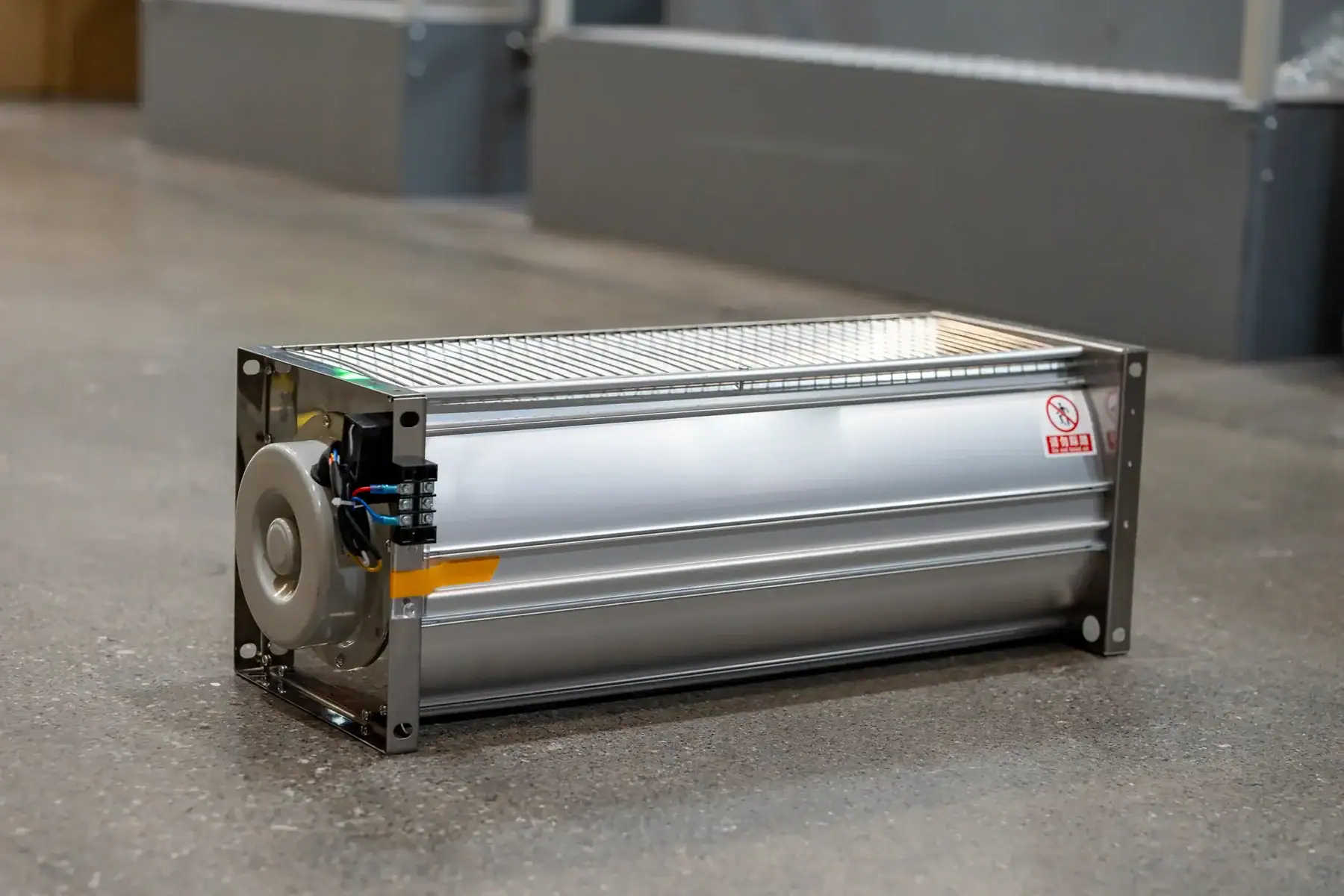
When it comes to transformers, cooling systems play a crucial role in maintaining efficiency and prolonging lifespan. Among various transformer types, dry type transformers stand out due to their unique cooling systems. In this article, we will explore the advantages of dry type transformer cooling systems, focusing on natural cooling, forced air cooling, and how these methods contribute to effective thermal management.

Dry type transformers use air as the primary cooling medium, unlike oil-filled transformers, which rely on oil for insulation and cooling. This fundamental difference in design makes dry type transformers a safer and more environmentally friendly option, especially in sensitive environments. The air cooling method employed by dry type transformers eliminates the need for oil, which can pose a significant risk in terms of leakage and potential fire hazards.
Moreover, the absence of oil in dry type transformers makes them ideal for use in indoor environments or areas where contamination could be a concern. Facilities such as hospitals, schools, and commercial buildings often prefer dry type transformers for this reason. Their design not only minimizes the risk of accidents but also reduces the overall environmental impact by negating the potential for oil spills and pollution.
Key Features of Dry Type Transformers
- Safety: With no flammable liquids involved, dry type transformers significantly reduce fire hazards. The lack of oil means there is no risk of oil ignition, which is a common concern with oil-filled transformers. This feature makes them an attractive option for facilities that prioritize safety, such as chemical plants and densely populated urban areas.
- Environmental Impact: The absence of oil eliminates the risk of soil and water contamination. This is particularly important in environmentally sensitive areas where the potential for an oil spill could result in significant ecological damage. Additionally, dry type transformers produce less waste during their lifecycle, contributing to a lower environmental footprint.
- Maintenance: Generally, they require less maintenance compared to their oil-filled counterparts. The reduced need for regular oil checks and changes translates into lower maintenance costs over the lifetime of the transformer. This makes dry type transformers not only a safer and more eco-friendly choice but also a more economical one in the long run.
Cooling Methods in Dry Type Transformers
The cooling system of a dry type transformer is essential for its performance and longevity. Let’s delve into the primary cooling methods used:
Natural Cooling (AN)
Natural cooling, also known as Air Natural (AN) cooling, relies on ambient air to dissipate heat from the transformer. This method is straightforward and cost-effective, making it ideal for locations with moderate climate conditions. The passive cooling approach means that the transformer can operate efficiently without the need for additional cooling infrastructure.
This method is particularly beneficial in settings where energy efficiency is a priority. By relying solely on the natural flow of air, these transformers minimize their energy consumption, which can significantly reduce operational costs. Additionally, their simplicity means that they are less prone to mechanical failures, contributing to their reliability and durability in the long term.
Advantages of Natural Cooling
- Energy Efficiency: Since no additional equipment is required, energy consumption is minimal. This not only cuts down on electricity costs but also aligns with sustainability goals by reducing the overall carbon footprint of the operation.
- Cost-Effective: Reduced installation and operational costs due to the absence of external cooling devices. This makes natural cooling an attractive option for projects with budget constraints, offering a high return on investment over time.
- Silent Operation: With no fans or pumps, the cooling process is completely silent. This feature is particularly advantageous in environments where noise pollution is a concern, such as residential areas or office buildings.
Forced Air Cooling (AF)

Forced air cooling, or Air Forced (AF) cooling, involves using fans to increase airflow over the transformer’s surface, thereby enhancing heat dissipation. This method is effective in environments with higher temperature demands, where natural cooling might not suffice to maintain optimal operating temperatures.
In addition to its effectiveness in managing higher thermal loads, forced air cooling provides greater flexibility in transformer placement. It allows transformers to be installed in more compact spaces where natural airflow might be restricted, ensuring that performance is not compromised even in challenging conditions.
Advantages of Forced Air Cooling
- Improved Cooling Capacity: Fans increase airflow, enabling better heat management. This allows transformers to handle higher loads and operate in warmer environments without the risk of overheating, which can be crucial for industrial applications.
- Enhanced Performance: Allows transformers to operate efficiently under higher loads or in warmer climates. This can be particularly beneficial in regions with extreme temperature variations, ensuring consistent performance year-round.
- Flexibility: Suitable for installations where natural cooling might not suffice. The ability to tailor the cooling system to specific environmental conditions makes forced air cooling a versatile solution for a wide range of applications.
Cooling in VPI Transformers
Vacuum Pressure Impregnated (VPI) transformers are a subset of dry type transformers that benefit significantly from advanced cooling systems. These transformers use a vacuum process to impregnate their windings with resin, enhancing their ability to withstand harsh environmental conditions.
How VPI Transformers Benefit from Cooling
- Increased Reliability: Effective cooling in VPI transformers ensures stable performance and reduces the risk of overheating. The resin impregnation coupled with efficient cooling allows these transformers to maintain their integrity and function under demanding conditions.
- Longer Lifespan: By maintaining optimal operating temperatures, cooling systems help extend the life of VPI transformers. This is particularly important for critical infrastructure applications, where reliability and longevity are paramount.
- Reduced Maintenance Needs: Efficient cooling reduces thermal stress on components, minimizing the need for frequent maintenance. This not only lowers maintenance costs but also reduces downtime, ensuring that operations can continue without interruption.
The Role of Transformer Thermal Management
Transformer thermal management is crucial in ensuring that transformers operate efficiently and reliably. Proper thermal management involves:
- Monitoring Temperature: Regular temperature checks help detect potential issues early. Implementing a routine monitoring schedule can prevent costly repairs and extend the life of the transformer by identifying and addressing problems before they escalate.
- Optimizing Cooling Systems: Adjusting cooling methods based on environmental conditions and load requirements. This customization ensures that the transformer operates within its optimal temperature range, enhancing performance and efficiency.
- Implementing Smart Technologies: Advanced sensors and monitoring systems can provide real-time data for proactive management. By leveraging these technologies, operators can make informed decisions and quickly respond to any changes in operational conditions, ensuring optimal performance.
Why Choose Dry Type Transformer Cooling Systems?

Choosing the right cooling system for a transformer depends on various factors, including environmental conditions, load requirements, and safety considerations. Here are some reasons why dry type transformer cooling systems might be the best choice:
Environmental Considerations
Dry type transformers are an excellent choice for eco-conscious projects. The absence of oil makes them a cleaner option, reducing the environmental footprint. By eliminating the risk of oil spills and contamination, these transformers align with sustainable development goals and contribute to a cleaner, greener future.
Safety and Reliability
With fewer components that can fail and no risk of oil leakage, dry type transformers offer enhanced safety and reliability, especially in indoor or sensitive environments. Their robust design ensures that they can withstand various environmental stresses, making them a dependable choice for critical applications where safety is a top priority.
Cost Efficiency
While the initial cost of dry type transformers may be higher, the long-term savings in maintenance, energy consumption, and potential environmental remediation make them a cost-effective choice. Over time, the reduced operational and maintenance costs can offset the initial investment, providing a better return on investment compared to oil-filled transformers.
Conclusion
In summary, the advantages of dry type transformer cooling systems are numerous. Whether through natural or forced air cooling, these systems offer safe, efficient, and environmentally friendly solutions for various applications. By understanding the benefits and choosing the right cooling method, you can ensure optimal performance and longevity for your transformers.
As industries continue to evolve, embracing advanced cooling methods in dry type transformers will be key to achieving sustainable and efficient energy management. Choose wisely, and your transformers will reward you with years of reliable service. The move towards more sustainable and efficient energy solutions is not just a trend but a necessity, and dry type transformers are at the forefront of this transition, offering a path towards a more resilient energy infrastructure.

 English
 Français
 Español
 Deutsch