
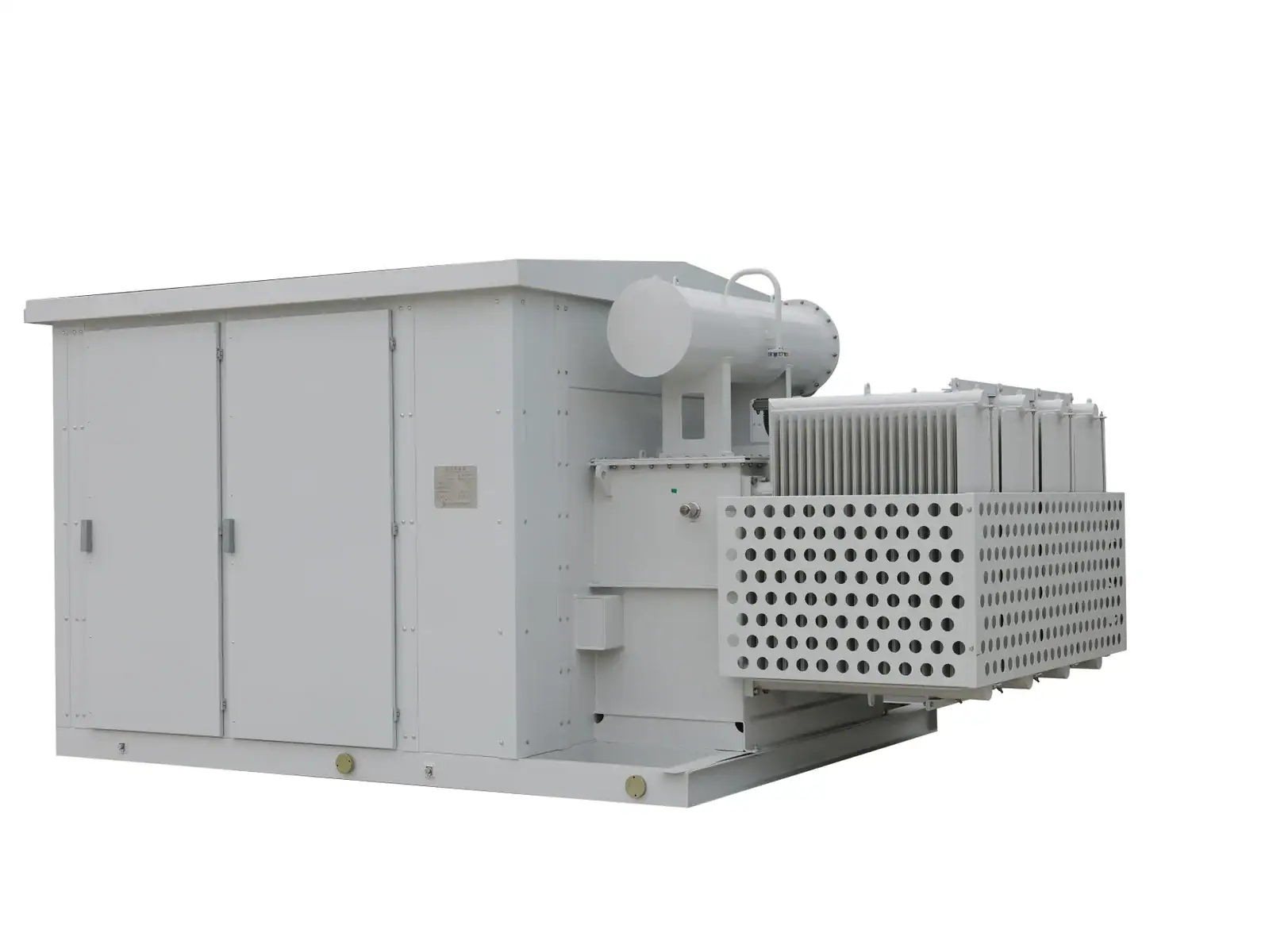
In today’s fast-paced world, where every watt of energy counts, the quest for maximizing efficiency in power generation is more critical than ever. As renewable energy sources continue to claim their share of the global energy market, wind power stands out as a frontrunner. But with this surge in wind energy comes the need for more advanced technology to harness its full potential. Enter the oil-immersed wind power transformer—a revolutionary component that is transforming how we manage and distribute wind-generated electricity.
Imagine a system where wasted energy is not merely reduced but strategically reclaimed to bolster production capabilities. The oil-immersed wind power transformer doesn’t just promise efficiency; it delivers it by enhancing energy flow and minimizing losses, making a significant impact on overall performance. This piece of cutting-edge technology represents a leap forward, offering answers to some of the most pressing challenges faced by the renewable energy sector today. In this blog post, we’ll delve into how this innovative tool is reshaping the landscape of wind energy and setting new standards for sustainability and efficiency.

The Significance of Maximizing Efficiency in Power Generation
Maximizing efficiency in power generation is more than a technical goal; it’s a strategic imperative that influences cost, reliability, and environmental impact. As global energy demand continues to soar—driven by population growth, industrial development, and increased electrification—utilities and operators must optimize every component of the production chain. High-efficiency systems translate directly into lower fuel consumption, reduced greenhouse gas emissions, and a smaller carbon footprint. In regions heavily reliant on conventional power plants, incremental efficiency improvements can lead to substantial savings in fuel costs and emissions reductions.
Beyond economic and environmental considerations, efficiency upgrades bolster grid stability and resilience. As intermittent renewable sources like wind and solar take on a larger share of energy production, the grid faces new challenges in maintaining consistent voltage and frequency. Efficient transformers, turbines, and ancillary equipment play pivotal roles in smoothing out fluctuations, minimizing transmission losses, and ensuring that generated power reaches end users with minimal waste. Ultimately, improving efficiency is not just about squeezing out more megawatts; it’s about future-proofing our energy infrastructure against volatility, regulatory pressures, and evolving market dynamics.
Introduction to Oil-Immersed Wind Power Transformers
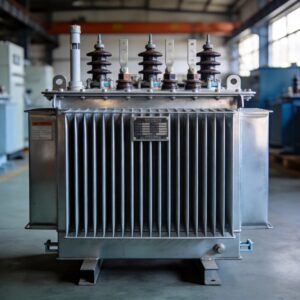
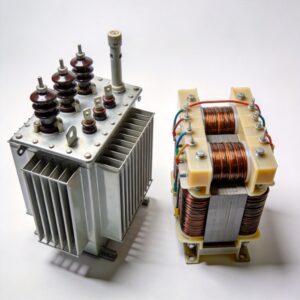
Oil-immersed wind power transformers have emerged as a game-changer in the renewable energy sector. Unlike dry-type transformers that rely solely on air for insulation and cooling, these units are filled with specially formulated insulating oil. This oil serves dual functions: it provides excellent dielectric strength—effectively preventing electrical breakdown—and it acts as a heat transfer medium, drawing thermal energy away from hot spots and maintaining optimal operating temperatures throughout the transformer’s windings and core.
The robust design of an oil-immersed wind power transformer is especially suited to the rigorous demands of wind farms. They can handle fluctuating loads and rapid load changes common in turbine output, all while maintaining high efficiency and reliable performance. With enhanced cooling capabilities, these transformers reduce thermal aging of materials, extend service life, and lower maintenance intervals. For wind farm operators, this translates into higher uptime, fewer interruptions, and improved return on investment over the asset’s operational lifetime.
How Oil-Immersed Transformers Enhance Energy Flow
At the heart of any transformer’s performance is its ability to transfer electrical energy from one circuit to another with minimal losses. In oil-immersed transformers, the insulating oil plays a crucial role in reducing both core and winding losses. By efficiently removing heat generated under load, the oil helps maintain precise magnetic properties and prevents overheating, which can otherwise exacerbate hysteresis and eddy current losses within the core.
Moreover, the improved thermal management afforded by the oil-immersed design ensures that the transformer can operate at higher loading levels without risking insulation failure. The continuous circulation of oil—often aided by radiators or pumps in larger units—creates a stable temperature gradient, allowing for tighter tolerances in design and manufacturing. As a result, less energy is dissipated as heat, and more is transmitted to the grid. This translates to better voltage regulation, reduced need for reactive power compensation, and overall smoother energy flow from the turbine nacelle to the transmission network.
Impact of Oil-Immersed Transformers on Overall Performance
Incorporating oil-immersed wind power transformers into a wind farm can have a transformative effect on operational metrics. First and foremost, enhanced cooling and insulation lead to increased reliability and fewer unplanned outages. When transformers run cooler, the risk of insulation breakdown and moisture ingress decreases dramatically, cutting down on costly repairs and replacements. This improved durability not only extends the transformer’s lifespan but also stabilizes maintenance budgets and resource planning.
Performance gains also manifest in better energy yield. With lower internal losses and higher permissible loading percentages, wind turbines can inject more power into the grid during peak production times. This uplift in capacity factor translates into additional revenue streams for operators and helps stabilize energy prices by delivering a consistent, reliable renewable output. Additionally, the environmental benefits—stemming from reduced losses and longer equipment life—align closely with corporate sustainability goals and regulatory targets, giving oil-immersed solutions an edge in both economic and green credentials.
Conclusion: The Future of Wind Energy with Advanced Transformer Technology
The oil-immersed wind power transformer represents a critical milestone in the evolution of wind energy technology. By marrying superior thermal management with robust insulation, it addresses the core challenges of efficiency, reliability, and longevity in wind farm operations.
As the renewable energy landscape continues to expand, these transformers will play a pivotal role in maximizing power output, reducing operating costs, and advancing global decarbonization efforts. Embracing this technology today sets the stage for a cleaner, more efficient energy future.

 English
 Français
 Español
 Deutsch