
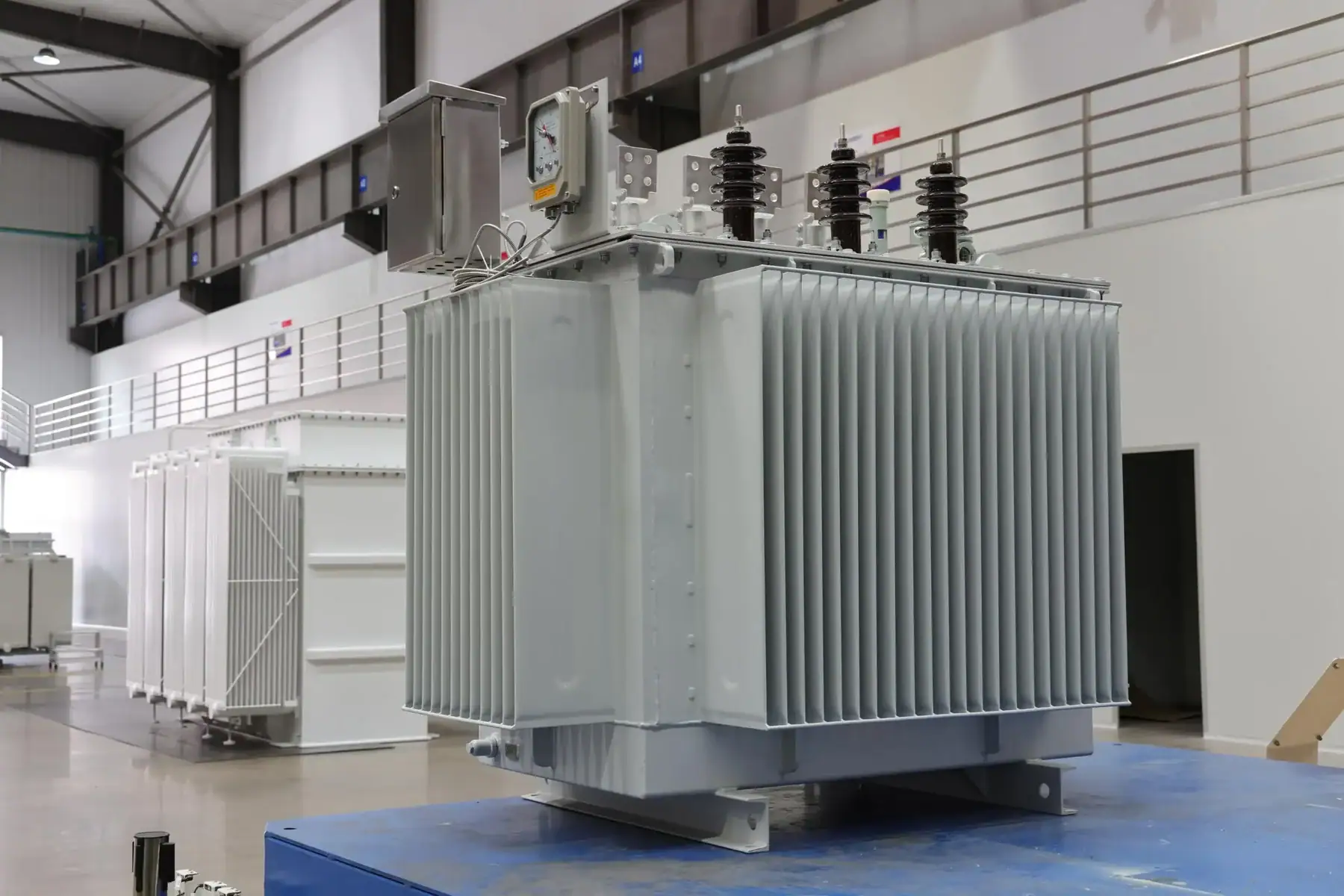
In the intricate world of power distribution, where efficiency and reliability are paramount, the Oil-Immersed Distribution Transformer stands as an unsung hero. At first glance, these transformers might seem like mundane components of an electric grid, but look a little deeper, and you’ll find they play a pivotal role in ensuring that electricity reaches our homes and businesses seamlessly. In a landscape where energy demands are ever-increasing, understanding the secrets behind these robust machines can unlock unprecedented levels of performance and sustainability.
Imagine a bustling cityscape where the lights never flicker, and industries hum smoothly without interruption. The backbone of this seamless energy flow is often the skillful design and operation of oil-immersed distribution transformers. These transformers, operating quietly behind the scenes, are engineered to minimize losses and maximize energy transfer efficiency. As we delve into the fascinating mechanics and advancements of oil-immersed transformers, you’ll gain insights that not only demystify their workings but also reveal strategies for achieving optimal performance and efficiency in modern electrical systems. Prepare to uncover a realm where innovation meets necessity, creating a powerful synergy that fuels our daily lives.

The Fundamentals of Oil-Immersed Distribution Transformers
At its core, an Oil-Immersed Distribution Transformer is composed of three main components: the magnetic core, the winding coils, and the insulating oil contained within a steel tank. The core, typically made of laminated silicon steel, directs magnetic flux while minimizing eddy current losses. Wrapped around the core are copper or aluminum windings that accept high-voltage input and deliver stepped-down voltage to downstream circuits. The insulating oil—not only a dielectric medium but also a coolant—fills the tank, ensuring that both the core and windings remain at optimal temperatures during operation. This critical combination of core, windings, and oil distinguishes the Oil-Immersed Distribution Transformer from dry-type alternatives, granting superior heat dissipation and voltage regulation in various load conditions.
Beyond its physical makeup, the operational fundamentals hinge on the transformer’s rated capacity—usually expressed in kilovolt-amperes (kVA)—and its voltage ratio, which defines the input and output voltage levels. Typical distribution transformers range from small residential units under 100 kVA to larger feeders exceeding 1,000 kVA, designed for industrial or urban substation use. Tap changers, conservator tanks, and Buchholz relays are auxiliary elements that further enhance regulation, safety, and diagnostic capabilities. When deployed correctly, an Oil-Immersed Distribution Transformer presents low no-load and load losses, reliable voltage stability, and extended the service life, making it a foundational piece in delivering uninterrupted power to consumers.
Design Features for Maximizing Efficiency
Designing a highly efficient Oil-Immersed Distribution Transformer begins with selecting core materials that lower magnetization losses. Grain-oriented electrical steel with optimized lamination thickness reduces eddy currents, while precise annealing processes improve permeability. The geometry of the core—whether “E,” “U,” or shell type—plays a critical role in minimizing flux leakage and mechanical vibrations. Coupled with high-purity copper or aluminum windings, designers tailor turn counts and conductor cross-sections to achieve minimal resistance without compromising mechanical strength or thermal performance.
Insulation placement also significantly impacts efficiency. Modern transformers use layered pressboard and high-grade insulating paper around windings to maintain clearance and prevent partial discharges, thereby reducing dielectric losses. Conservator tanks equipped with on-load tap changers enable real-time voltage adjustments under varying load profiles, ensuring that the Oil-Immersed Distribution Transformer operates near its optimal point. Additionally, incorporating low-loss magnetic steel and advanced winding techniques—like interleaving or disc windings—further curtails stray losses. Together, these design features harmonize to produce a transformer that excels in efficiency, reliability, and long-term serviceability.
Cooling Systems for Enhanced Performance
Efficient heat management is vital to maintain the longevity and performance of an Oil-Immersed Distribution Transformer. Many units rely on natural convection (ONAN—Oil Natural Air Natural), where the heated oil rises to the top of the tank, dissipates heat through radiators, and descends as it cools. This passive system requires no external power and provides a simple, reliable means of cooling for transformers under moderate load conditions.
For installations with higher thermal demands, forced cooling methods—such as Oil Natural Air Forced (ONAF) or Oil Forced Air Forced (OFAF)—are employed. Fans and pumps drive oil circulation and airflow across radiators, accelerating heat rejection. Temperature gauges, thermostatic controllers, and differential pressure switches ensure that cooling equipment activates only when necessary, optimizing energy use. Together, these cooling strategies allow the Oil-Immersed Distribution Transformer to handle overloads and maintain tight temperature control, safeguarding insulation integrity and minimizing aging effects.
Emerging Technologies in Oil-Immersed Transformers
The rise of digitalization has ushered in a wave of smart monitoring solutions for Oil-Immersed Distribution Transformers. Embedded sensors measure parameters such as oil temperature, moisture content, and dissolved gases, transmitting data to cloud-based platforms. This real-time insight enables predictive maintenance, allowing utilities to identify anomalies—like overheating or incipient faults—before they escalate. As a result, unplanned outages drop and asset lifespans increase.
Nanofluids and biodegradable ester-based oils represent another technological frontier. By dispersing nanoparticles in the insulating oil, thermal conductivity improves, enhancing cooling efficiency and dielectric strength. Ester oils, derived from natural sources, offer fire-resistant properties and faster moisture absorption, making them environmentally friendly alternatives to mineral oil. When combined with digital analytics and advanced materials, these emerging technologies transform the way Oil-Immersed Distribution Transformer assets are designed, monitored, and maintained, driving efficiency and sustainability in modern grids.
Advantages of Oil-Immersed Transformers in Modern Grids
One of the key benefits of an Oil-Immersed Distribution Transformer is its robust thermal capacity. The insulating oil not only cools windings and core elements more effectively than air but also protects against electrical breakdown, granting higher overload tolerance. This reliability supports critical infrastructure, from urban substations to remote renewable energy installations. Furthermore, the proven track record of oil-immersed units—often operating for decades with proper maintenance—translates into lower total cost of ownership compared to dry-type counterparts.
In addition to thermal performance, these transformers exhibit excellent voltage regulation and low losses, which are essential for integrating variable renewable resources like solar and wind. Their modular design allows for easy installation, retrofitting, and upscaling, facilitating grid modernization without extensive civil works. Protective devices such as Buchholz relays, pressure relief valves, and temperature sensors further enhance safety, making the Oil-Immersed Distribution Transformer a versatile, efficient, and resilient choice for today’s dynamic power networks.
Conclusion: Harnessing the Power of Oil-Immersed Transformers
Oil-immersed distribution transformers remain the backbone of efficient power delivery, combining proven design practices with cutting-edge materials and digital monitoring to meet evolving energy demands. By mastering their fundamental principles, incorporating advanced cooling methods, and embracing emerging technologies, utilities can achieve unparalleled performance and reliability.
As grids worldwide transition toward sustainability and resilience, the Oil-Immersed Distribution Transformer will continue to play a pivotal role—ensuring that electricity flows smoothly, safely, and efficiently into the future.

 English
 Français
 Español
 Deutsch