
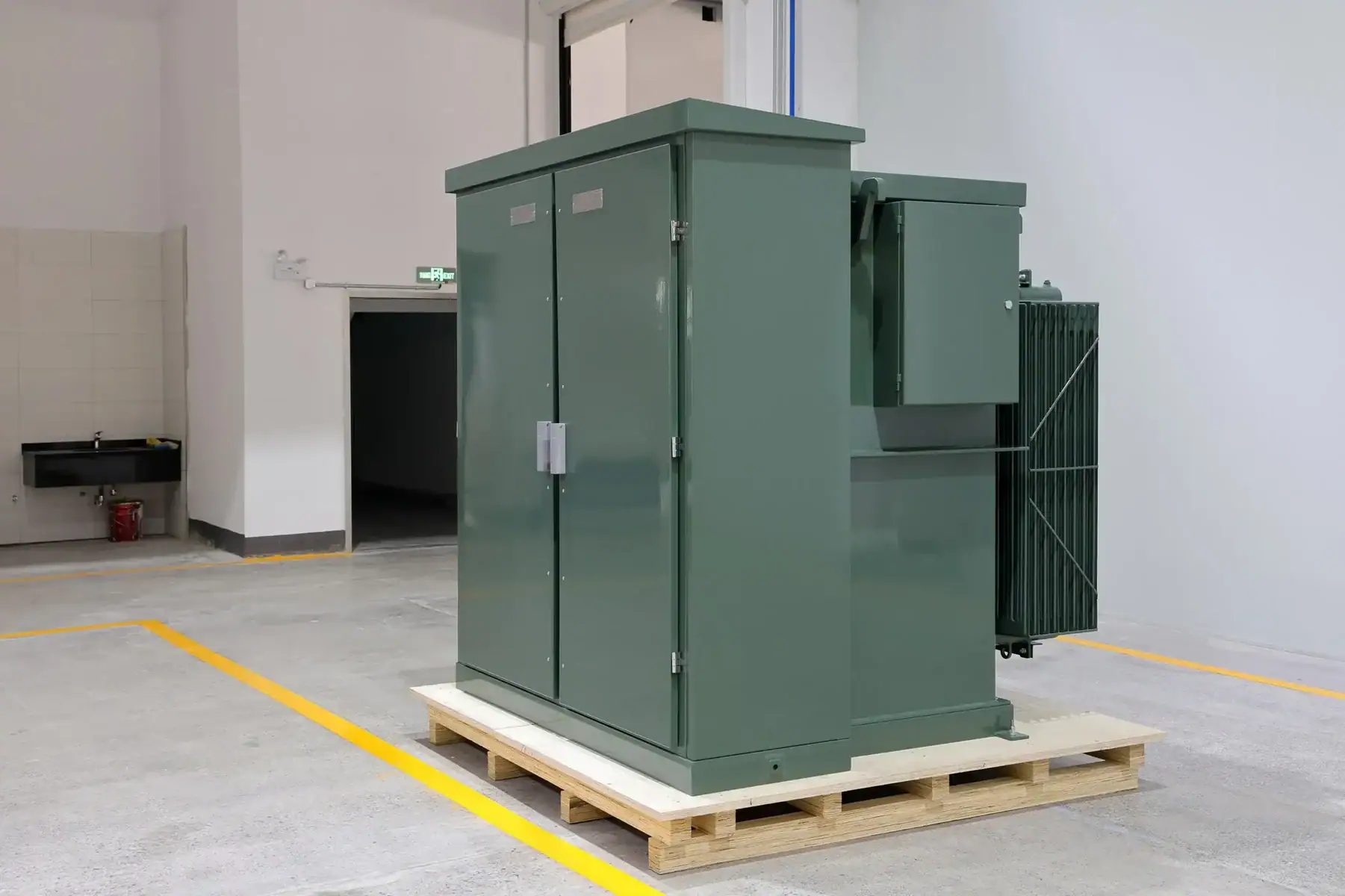
In the quiet corners of our neighborhoods, powerful devices silently operate, ensuring that our homes are lit, our appliances run smoothly, and our lives remain comfortably connected. These unassuming yet indispensable components of our electrical infrastructure are known as pad mounted transformers. As we embrace a world increasingly dependent on electrical power, understanding these crucial pieces of equipment becomes vital not just for engineers and electricians, but also for anyone curious about the backbone of modern living.
Imagine a high-stakes chess game where every move determines the livelihood of an entire community. In this arena, the pad mounted transformer plays the role of the skilled strategist, effectively managing the flow of electricity from power lines to houses and businesses. With their robust design crafted to withstand the elements while minimizing space, these transformers are not only a marvel of engineering but a testament to human ingenuity in solving complex challenges. Join us as we delve into the fascinating operation, significance, and future of these essential powerhouses.

The Evolution of Pad Mounted Transformers
The journey of the pad mounted transformer began in the early 20th century, when growing urban centers demanded safer and more reliable means of distributing electricity at lower voltages. Traditional pole-mounted transformers posed safety risks and visual clutter, leading utility companies to explore ground-level enclosures. By the mid-20th century, advances in insulation materials, sealed tank designs, and oil-filled cooling systems culminated in the first commercially viable pad mounted transformer. These units combined compactness with durability, offering a weatherproof solution that could be installed virtually anywhere without detracting from urban aesthetics.
Over the decades, improvements in metallurgy, dielectric fluids, and bushings have enhanced both performance and safety. Modern pad mounted transformers now feature high-strength, corrosion-resistant steel enclosures, eco-friendly insulating fluids, and vacuum pressure impregnation techniques to extend lifespan and reduce maintenance. Meanwhile, standards set by the IEEE and IEC have driven uniformity in design, ensuring consistent quality and compatibility across regions. As distributed energy resources such as rooftop solar and battery storage proliferate, the evolution of the pad mounted transformer continues, adapting to bidirectional power flows and evolving grid topologies to maintain reliability in the face of changing energy demands.
Components and Design Features
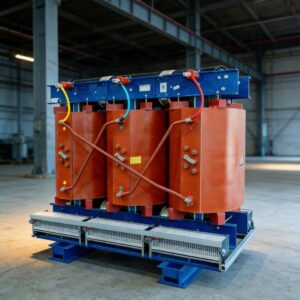
A typical pad mounted transformer is a seamless integration of several key components. At its core lies the primary and secondary windings, wound around a robust steel core that directs magnetic flux with minimal losses. These copper or aluminum windings are insulated and immersed in dielectric oil, which serves both as an insulator and a coolant. Encasing the assembly is a sheet-steel tank, often powder-coated for corrosion resistance, with internal baffles to improve oil circulation and heat dissipation.
Safety and accessibility are paramount in the design of a pad mounted transformer. Lockable cabinet doors and interlocked switches prevent unauthorized entry, while pressure-relief devices vent in the event of internal faults. High-voltage and low-voltage bushings provide secure terminations for overhead or underground conductors. Some designs also incorporate ion detection and temperature-monitoring sensors, enabling predictive maintenance and reducing the risk of unexpected failures. Together, these components create a compact, resilient unit that delivers reliable voltage transformation with minimal footprint.
Types of Pad Mounted Transformers
Pad mounted transformers come in various configurations tailored to specific applications and load requirements. Differences may include voltage ratings, phase configurations, and cooling methods. Single-phase models typically serve residential neighborhoods, offering 120/240 V outputs for household circuits. Three-phase transformers, on the other hand, support commercial or light-industrial sites with 480 V or higher secondary voltages, ensuring balanced power delivery to motors and large equipment.
Another key distinction lies in the type of dielectric fluid used. Traditional mineral-oil filled units remain common due to their proven performance, but biodegradable esters and silicone-based fluids are gaining traction for enhanced fire safety and environmental compatibility. Meanwhile, some pad mounted transformers incorporate on-load tap changers to allow remote voltage adjustments under load, reducing downtime and improving voltage regulation in areas with fluctuating supply conditions.
Installation and Maintenance Procedures
Proper installation begins with a stable concrete pad, sized to support both the weight of the transformer and required clearances for safe operation. Site preparation also includes trenching for underground feeders, grounding electrode systems, and conduit runs for secondary wiring. Once positioned, the unit is leveled, anchored, and connected to the primary distribution network. Technicians perform insulation resistance tests and oil-sample analyses before energizing the transformer to verify dielectric strength and detect potential moisture or contaminants.
Routine maintenance is critical for maximizing service life and reliability. Periodic visual inspections check for oil leaks, corrosion, and physical damage. Temperature gauges and oil level indicators are monitored to ensure proper cooling and fluid integrity. Every few years, dielectric oil testing measures parameters such as dissolved gas analysis (DGA), moisture content, and dielectric breakdown voltage. Bushings, switches, and fuses also receive scheduled maintenance or replacement based on manufacturer guidelines. Through diligent installation and maintenance procedures, utilities can minimize outages and extend the lifespan of their pad mounted transformers.
Applications Across Various Industries
Residential neighborhoods rely heavily on pad mounted transformers to step down distribution voltages to the 120/240 V levels needed by homes. Their compact, ground-level designs integrate seamlessly into community landscapes without the visual impact of pole-mounted equipment. In commercial settings such as shopping centers, office parks, and schools, three-phase pad mounted transformers deliver balanced power to HVAC systems, lighting, and elevator motors, ensuring uninterrupted operation during peak demand periods.
Industrial facilities often employ heavy-duty pad mounted transformers with specialized cooling systems to handle continuous high loads. These units feed manufacturing lines, welding equipment, and large motors that require stable voltage under variable loading. Renewable-energy sites, including solar farms and microgrids, also utilize pad mounted transformers for interfacing between inverters and the medium-voltage distribution network. From urban developments to remote rural installations, the pad mounted transformer remains a versatile workhorse, adapting to diverse energy needs and environmental challenges.
Conclusion: The Future of Pad Mounted Transformers
As the electric grid evolves to incorporate distributed generation, energy storage, and smart-grid technologies, the pad mounted transformer will continue to adapt. Innovations in solid-state transformers, advanced monitoring, and eco-friendly materials promise improved efficiency, reliability, and safety. These advancements will help utilities meet growing demand while reducing environmental impact.
Ultimately, the pad mounted transformer’s enduring legacy lies in its ability to balance performance and practicality. By marrying robust engineering with intelligent design, this humble device will remain at the heart of power distribution, empowering communities and industries for decades to come.

 English
 Français
 Español
 Deutsch