
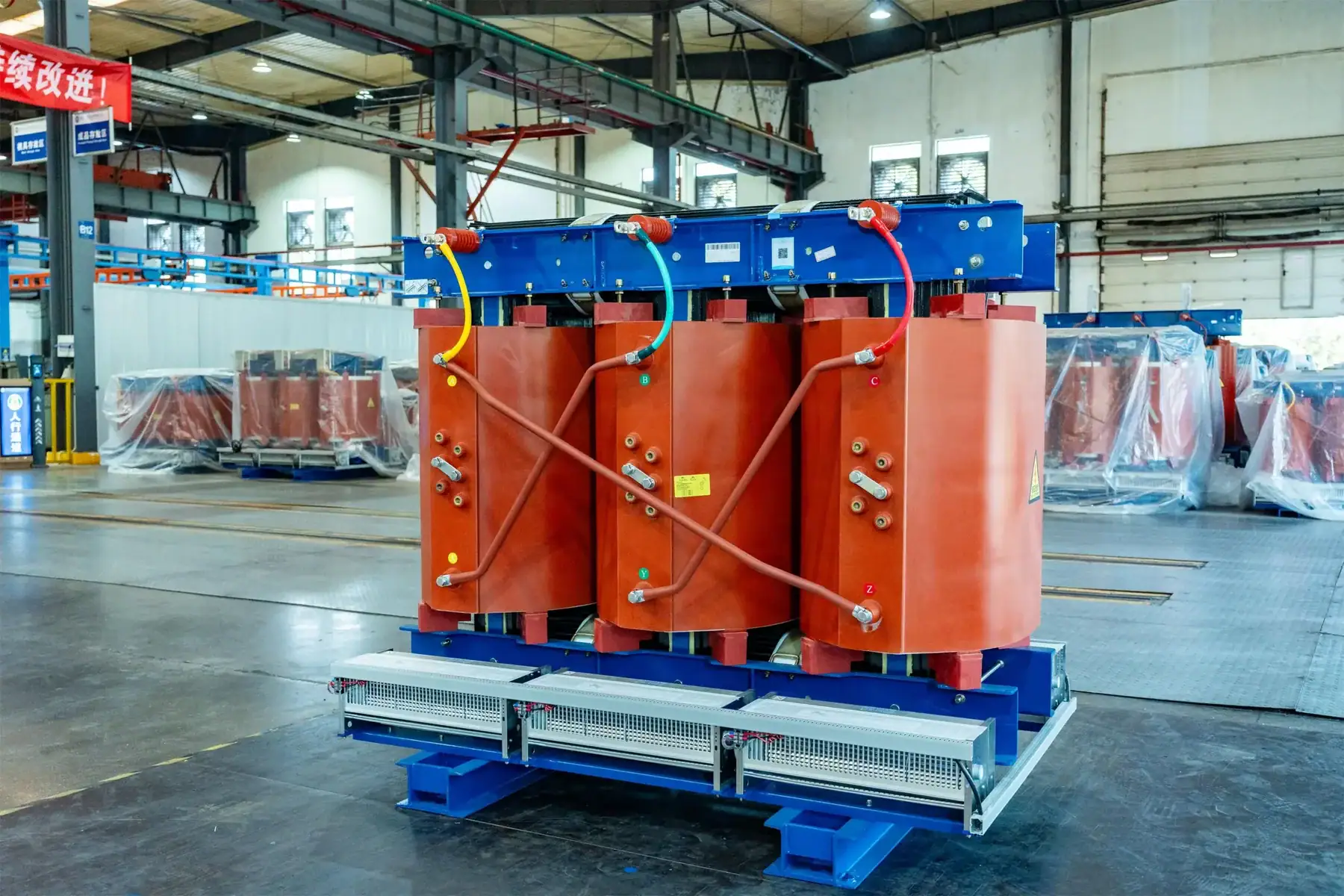
In the vast world of electrical engineering, where precision and efficiency reign supreme, one unsung hero often takes center stage: the three phase transformer. Imagine a conductor orchestrating seamless symphonies of power, ensuring that our homes and industries receive electricity consistently and reliably. These marvels of engineering handle vast amounts of energy with finesse, powering everything from industrial machinery to the lights in our living rooms. But what truly lies at the heart of these devices? What makes them indispensable to modern infrastructure?
As we delve into the fascinating realm of three phase transformers, we’ll uncover the myriad roles they play in our daily lives. Their ability to transform voltage levels effortlessly ensures that electricity travels long distances without significant losses, making them vital cogs in the global energy wheel. This exploration will not only demystify the complexity behind these transformers but also highlight their critical importance in ensuring that the gears of industry and society keep turning smoothly. Whether you’re an electrical enthusiast or someone curious about the backbone of modern civilization, the journey into the heart of power promises to be both enlightening and electrifying.

The Basics of Three Phase Transformers
A three phase transformer is a device designed to step up or step down voltage in three-phase electrical systems. Unlike single-phase transformers, it handles three alternating currents simultaneously, each separated by 120 electrical degrees. This configuration offers smoother power delivery, reduced pulsations, and improved efficiency when compared to single-phase setups. At its core, a three phase transformer consists of three single-phase transformer windings, either assembled into one core or three individual cores, depending on design preferences and application requirements.
In operation, the three coils are either connected in a star (Y) or delta (Δ) configuration, providing flexibility in voltage ratios and grounding options. Star connections are common for high-voltage transmission because they allow the neutral to be grounded, improving safety. Delta connections, meanwhile, are favored on the low-voltage side to supply balanced loads and provide a path for circulating currents that can stabilize system harmonics. The simplicity and reliability of a three phase transformer make it an indispensable component for large-scale power distribution, renewable energy integration, and industrial motor drives.
Types of Three Phase Transformers
Three phase transformers come in various designs to meet the demands of different applications, ranging from compact dry-type models to robust oil-immersed units. Each type offers unique advantages in terms of cost, maintenance requirements, insulation, and cooling performance. Selecting the right three phase transformer depends on factors such as environmental conditions, power ratings, and system configuration.
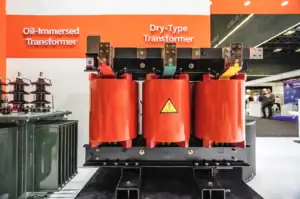
Key varieties include oil-filled transformers, which use mineral oil or synthetic fluids for insulation and heat dissipation, and dry-type transformers, which rely on air or epoxy resin to cool the windings. Special-purpose designs, such as cast-resin transformers and pad-mounted transformers, cater to niche applications like underground distribution and indoor installations. Understanding these types helps engineers choose the most suitable transformer for reliability, longevity, and efficiency in any given power network.
Efficiency and Energy Conservation
Efficiency is a critical metric for any electrical device, and three phase transformers are no exception. Modern three phase transformer designs focus on reducing core and winding losses to maximize energy conservation. Core losses, also known as iron losses, occur due to hysteresis and eddy currents within the magnetic core, while winding losses stem from the resistance of copper or aluminum windings carrying current.
To minimize these losses, manufacturers use high-grade silicon steel laminations, low-loss magnetic alloys, and advanced winding techniques. Additionally, improved cooling systems, such as forced oil circulation or air-blast cooling, help maintain optimal operating temperatures and reduce thermal degradation. By achieving efficiencies typically above 98%, three phase transformers play a vital role in cutting down transmission losses and supporting sustainable power delivery.
Advantages Over Single Phase Transformers
Three phase transformers offer several distinct advantages compared to their single-phase counterparts, making them the preferred choice for industrial and utility applications. First, their ability to deliver continuous, balanced power reduces the size and cost of conductors, as they carry less current for the same power level. This leads to significant savings in material and installation costs over long transmission distances.
Second, three phase transformer systems provide improved mechanical balance and smoother torque in electric motors. This reduces vibration and extends equipment lifespan. Third, with fewer pulsations and a steadier waveform, these transformers support more efficient operation of sensitive electronics and large machinery. Lastly, the scalability of three phase transformer banks allows for modular expansion, enabling utilities and industries to meet growing power demands without extensive infrastructure overhauls.
Conclusion: The Enduring Legacy of Three Phase Transformers
The three phase transformer remains a cornerstone of modern power systems, offering unmatched efficiency, reliability, and versatility. Its ability to handle high power loads while minimizing losses ensures that electricity flows seamlessly across vast networks, fueling industries and homes alike.
As the global push for renewable energy and smart grids intensifies, the role of three phase transformers will only grow in importance. By understanding their fundamentals, types, and benefits, engineers and decision-makers can continue to optimize power delivery and support a sustainable energy future.



 English
 Français
 Español
 Deutsch