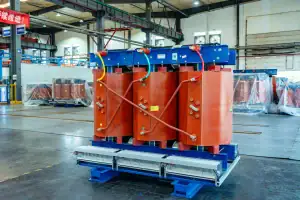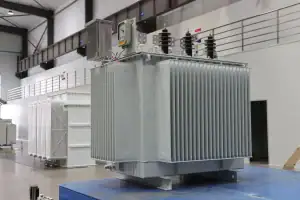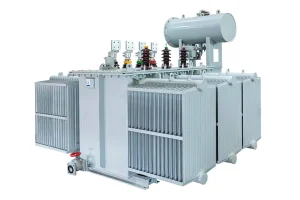

Dry type transformers, known for their safety and efficiency, have become an essential part of many electrical systems. Unlike their oil-filled counterparts, dry type transformers use air for cooling, making them suitable for various environments where safety and reliability are paramount. Their design allows them to operate without the risk of oil leaks, which can lead to fires or environmental contamination. In this article, we’ll explore the diverse applications of dry type transformers across different sectors, including industrial, commercial, residential, and renewable energy. By understanding these applications, we can appreciate their critical role in modern energy distribution systems.

Before diving into their applications, let’s briefly understand what dry type transformers are. These transformers are designed without oil or other liquid coolants. Instead, they rely on air circulation to cool the system. This makes them an ideal choice for environments that require stringent safety measures, such as hospitals, schools, and chemical plants. The absence of oil not only enhances safety but also reduces maintenance needs, as there is no risk of oil degradation or leaks.
The construction of dry type transformers involves using high-temperature insulation materials and advanced cooling techniques. This allows them to operate efficiently even in challenging environments. Moreover, their robust design ensures durability and longevity, making them a cost-effective solution for long-term power distribution needs. By eliminating the need for oil, these transformers also contribute to a cleaner, more sustainable energy infrastructure.
Industrial Applications
Manufacturing and Processing Plants
Dry type transformers are widely used in manufacturing and processing plants. They are crucial in distributing power to various sections of these facilities, ensuring that machinery operates efficiently. Their design minimizes the risk of fire, which is a significant concern in industrial settings where flammable materials might be present. Additionally, their ability to handle high loads and resist environmental contaminants makes them ideal for these applications.
In manufacturing environments, where precision and reliability are vital, dry type transformers provide stable power that helps maintain production quality. Their adaptability to different voltage levels ensures that various machines and equipment receive the necessary power without interruption. Furthermore, their low maintenance requirements mean less downtime for repairs, allowing businesses to maximize productivity and reduce operational costs.
Mining Operations
In mining operations, transformers are used to power heavy machinery and equipment. The rugged environment of mines demands transformers that can withstand dust, moisture, and vibration. Dry type transformers meet these requirements, providing reliable power distribution without the risk associated with liquid coolant leaks. Their robust construction allows them to function effectively in the harsh conditions typical of mining sites.
Moreover, the safety features of dry type transformers are particularly advantageous in mines, where explosive gases or materials may be present. The absence of oil reduces the risk of fire, enhancing the safety of the mining operation. Additionally, their compact design allows for easy installation in limited spaces, making them a practical choice for subterranean applications where space is at a premium.
Commercial Applications

Shopping Malls and Retail Centers
In commercial spaces like shopping malls and retail centers, dry type transformers play a vital role in maintaining a stable power supply. They help distribute electricity to various stores and facilities, ensuring that everything from lighting to air conditioning runs smoothly. The absence of oil also reduces maintenance needs, which is beneficial in busy commercial settings. Furthermore, their quiet operation ensures a comfortable shopping environment without the noise typically associated with large electrical equipment.
The reliability of dry type transformers is crucial in retail environments, where uninterrupted power is necessary to keep businesses operational. Any downtime can lead to significant revenue loss, making the dependability of these transformers a critical factor. Additionally, their energy-efficient design helps reduce overall electricity costs, providing financial benefits to commercial property owners and tenants alike.
Office Buildings
Office buildings often require a stable and reliable power supply to keep computers, lighting, and HVAC systems running. Dry type transformers are used to distribute power efficiently throughout these buildings, minimizing downtime and enhancing energy efficiency. Their compact size and quiet operation make them ideal for installation within building premises without disrupting daily activities.
The safety and environmental benefits of dry type transformers are particularly appreciated in office environments. With an increasing focus on sustainability, businesses are looking for ways to reduce their carbon footprint. By using transformers that do not rely on oil, office buildings can align with eco-friendly practices while maintaining the necessary power infrastructure. This shift not only supports corporate social responsibility goals but also contributes to long-term cost savings through energy efficiency.
Residential Applications
Apartment Complexes
In residential settings, dry type transformers are used to step down the high voltage from power lines to a level that can be safely used in homes. They are often installed in apartment complexes, where they distribute power to individual units. Their quiet operation and low maintenance make them a preferred choice for residential areas. Residents benefit from a stable power supply without the risk of noise pollution or frequent maintenance disruptions.
The installation of dry type transformers in apartment complexes also ensures compliance with stringent safety standards. Their fire-resistant design provides peace of mind for residents and property managers alike, reducing the risk of electrical fires. Furthermore, their ability to operate efficiently under varying load conditions makes them suitable for residential areas with fluctuating power demands.
Suburban Neighborhoods
Dry type transformers are also common in suburban neighborhoods. They are typically mounted on poles or placed in underground vaults, ensuring that homes receive a consistent power supply. The safety and reliability of these transformers make them an excellent choice for residential power distribution. Their design minimizes the risk of electrical hazards, providing a secure environment for families.
In addition to safety, the environmental benefits of dry type transformers are significant in suburban settings. As communities strive to adopt greener practices, the use of transformers that do not rely on oil aligns with these goals. By contributing to a sustainable energy infrastructure, dry type transformers help communities reduce their environmental impact while maintaining a high standard of living.
Renewable Energy Applications
Wind and Solar Farms

As the world shifts towards renewable energy, dry type transformers have become integral to wind and solar farms. They are used to step up the voltage generated by wind turbines and solar panels for transmission to the power grid. Their design allows them to withstand the harsh environmental conditions often found in these locations, such as extreme temperatures and high humidity. This resilience ensures consistent performance, even in remote and challenging environments.
The deployment of dry type transformers in renewable energy applications supports the global transition to cleaner energy sources. By facilitating efficient power conversion and transmission, these transformers play a crucial role in maximizing the output of renewable energy installations. Their low maintenance requirements further enhance their appeal, reducing operational costs and downtime for renewable energy providers.
Hydroelectric Plants
In hydroelectric plants, dry type transformers are used to manage the power generated by water turbines. Their ability to operate efficiently in damp environments makes them suitable for these applications, where moisture can be a significant concern. The design of dry type transformers minimizes the risk of electrical failures, ensuring reliable power distribution from hydroelectric sources.
The use of dry type transformers in hydroelectric plants also supports environmental sustainability. By eliminating the need for oil, these transformers reduce the potential for environmental contamination, aligning with the eco-friendly objectives of hydroelectric power generation. Their robust construction and reliability make them an essential component of hydroelectric infrastructure, contributing to the efficient harnessing of this renewable resource.
Substations and Power Distribution
Urban Substations
In urban substations, dry type transformers play a crucial role in stepping down high voltage electricity from transmission lines to a level suitable for local distribution. Their compact design and fire-resistant properties make them ideal for densely populated areas, where space is limited and safety is a priority. The efficiency of dry type transformers ensures that urban centers receive a stable and reliable power supply, supporting the demands of city life.
The adaptability of dry type transformers to various urban environments is a key advantage. Whether installed in high-rise buildings or underground facilities, their design accommodates the unique challenges of urban power distribution. Additionally, their low noise levels and minimal maintenance requirements make them suitable for integration into bustling cityscapes without disrupting daily activities.
Rural Power Distribution
In rural areas, where power lines often cover long distances, dry type transformers are used to ensure that electricity is distributed efficiently. They are installed at various points along the power line to step down voltage as needed, providing consistent power to farms and rural homes. The durability and reliability of dry type transformers make them well-suited for the demands of rural power distribution.
The implementation of dry type transformers in rural settings supports the development of reliable infrastructure, crucial for economic growth and quality of life. By providing stable power distribution, these transformers enable rural communities to access modern conveniences and technologies. Their robust design also reduces the need for frequent maintenance, ensuring that rural power systems remain operational with minimal disruption.
Installation and Maintenance
Transformer Installation
Installing dry type transformers involves several steps to ensure they operate safely and efficiently. They must be placed in well-ventilated areas to allow for adequate air circulation. Proper grounding and securing the transformer to a stable platform are also critical to prevent vibration-related issues. The installation process may also include additional considerations, such as noise reduction measures and integration with existing electrical systems.
Attention to detail during installation is essential to maximize the performance and lifespan of dry type transformers. By following best practices and adhering to industry standards, installers can ensure that the transformers operate optimally. Furthermore, choosing the right location and configuration can help minimize potential issues, such as overheating or electrical interference, enhancing the overall reliability of the power system.
Maintenance Requirements
One of the advantages of dry type transformers is their low maintenance requirements. Regular inspections are necessary to ensure that connections are secure and that there are no signs of overheating or wear. Cleaning the vents and ensuring that the transformer is free from dust and debris will help maintain optimal performance. Additionally, periodic testing can identify potential issues before they lead to significant problems, ensuring uninterrupted power distribution.
The simplicity of maintaining dry type transformers is a significant benefit for facility managers and operators. By reducing the need for frequent maintenance, these transformers lower operational costs and minimize downtime. This efficiency is particularly valuable in critical applications, where power reliability is paramount. By adhering to a proactive maintenance schedule, operators can extend the service life of their transformers and ensure consistent performance.
Advantages of Using Dry Type Transformers
Safety and Environmental Benefits
Dry type transformers offer significant safety and environmental benefits. Without oil or other liquid coolants, the risk of fire and environmental contamination is minimized. This makes them an attractive option for locations where safety is a top concern. Their design also supports eco-friendly practices, contributing to a reduction in the carbon footprint of power distribution systems.
The absence of oil in dry type transformers eliminates the need for containment measures, simplifying installation and reducing associated costs. Their fire-resistant properties provide an added layer of protection in sensitive environments, such as hospitals and schools. By choosing dry type transformers, organizations can enhance safety while supporting sustainability initiatives.
Energy Efficiency
These transformers are designed to operate efficiently, reducing energy loss during power distribution. This efficiency translates to cost savings for businesses and homeowners, as well as a reduced carbon footprint. The advanced materials and design features used in dry type transformers contribute to their superior performance, making them a smart choice for modern electrical systems.
Energy efficiency is a critical consideration in today’s energy-conscious world. By minimizing energy waste, dry type transformers help reduce overall energy consumption, supporting efforts to combat climate change. Their ability to maintain high efficiency under varying load conditions ensures that they remain effective in diverse applications, from industrial to residential settings.
Conclusion
Dry type transformers are versatile and reliable, making them suitable for a wide range of applications. From industrial plants to residential neighborhoods, they provide safe and efficient power distribution. Their adaptability to different environments and their low maintenance requirements make them an attractive option for many sectors. As the demand for renewable energy grows, their role in supporting sustainable power solutions will continue to expand. By understanding and leveraging the benefits of dry type transformers, we can ensure a safer, more efficient energy future. Their contribution to a sustainable energy landscape highlights the importance of innovation in achieving global energy goals.