Transformers are pivotal components in the electrical grid, acting as intermediaries that adjust voltage levels to meet the demands of different applications. Their role cannot be overstated, as they facilitate the safe and efficient transfer of electrical energy over vast distances. With advancements in technology and growing environmental concerns, the demand for innovative transformer solutions like dry type oil filled transformers is on the rise. These transformers promise enhanced safety, environmental sustainability, and operational efficiency, making them a compelling choice for diverse applications.

Before diving into the specifics of dry type oil filled transformers, it’s important to understand what transformers do. Essentially, transformers are electrical devices that transfer electrical energy between two or more circuits through electromagnetic induction. They are used to increase (‘step up’) or decrease (‘step down’) voltage levels, making them vital for power distribution across long distances. This process ensures that electricity can be efficiently transmitted from power stations to end-users, reducing energy losses along the way.
Types of Transformers
There are several types of transformers, each with its own set of characteristics and applications:
- Power Transformer: Utilized in transmission networks with high voltage levels, power transformers are designed to handle large amounts of electricity. They are primarily used to step up voltage for efficient long-distance transmission and step down voltage for distribution to consumers.
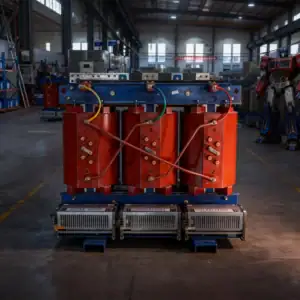
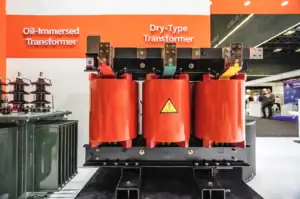
- Cast Resin Transformer: Known for its safety and reduced risk of fire, cast resin transformers use solid insulation materials. These transformers are often chosen for indoor applications due to their robust design and minimal maintenance requirements.
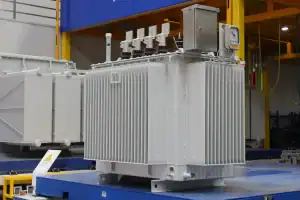
- Liquid Immersed Transformer: Using oil or other liquids for cooling and insulation, these transformers are favored for their ability to efficiently dissipate heat. They are common in outdoor installations and are designed to handle higher loads.
- Oil Filled Transformer: A subtype of liquid-immersed transformers, using oil specifically for cooling. These transformers have been a staple in the industry due to their reliability and efficiency in energy transfer.
- Dry Type Transformer: Utilizing air for cooling, dry type transformers are known for their environmental friendliness and safety. They eliminate the need for oil, reducing potential environmental hazards and fire risks.
What Are Dry Type Oil Filled Transformers?
Dry type oil filled transformers combine the features of both dry type and oil filled transformers. They are specifically designed to enhance efficiency, safety, and environmental sustainability. Unlike traditional oil filled transformers that use oil for cooling, these transformers are designed to minimize the use of oil, thereby reducing potential hazards and maintenance needs.
Key Features
- Minimal Oil Usage: These transformers use a smaller quantity of oil compared to traditional oil filled transformers, reducing the risk of oil leaks and fires. This not only enhances safety but also lessens the environmental impact associated with oil production and disposal.
- Enhanced Cooling: The design incorporates effective cooling methods that do not rely heavily on oil. By utilizing innovative cooling systems, these transformers maintain optimal temperatures, ensuring efficient operation and longevity.
- Safety: With reduced oil content, these transformers present a lower fire risk. This makes them particularly suitable for installations in areas with stringent safety requirements, such as urban centers and critical infrastructure.
- Environmentally Friendly: They contribute to reduced environmental impact due to minimal oil usage. This aligns with global sustainability goals, making them an attractive option for environmentally conscious projects.
Advantages of Dry Type Oil Filled Transformers

Dry type oil filled transformers offer numerous benefits that make them an attractive choice for various applications. Their innovative design addresses many of the challenges associated with traditional transformers, providing a modern solution for today’s power distribution needs.
Safety and Reliability
One of the primary advantages is safety. With less oil, the risk of leaks and fires is significantly diminished. This makes dry type oil filled transformers ideal for use in environments where safety is paramount, such as hospitals, schools, and commercial buildings. Their reliability is further enhanced by their robust construction, which ensures consistent performance even under demanding conditions.
Moreover, the reduced fire risk associated with these transformers means that they can be installed in locations with strict safety regulations without requiring additional protective measures. This can result in cost savings and increased flexibility in choosing installation sites.
Environmental Benefits
Traditional oil filled transformers can pose environmental hazards due to potential oil spills. Dry type oil filled transformers, with their minimal oil usage, mitigate these risks. They are designed to be more eco-friendly, aligning with the growing global emphasis on sustainability. By reducing the reliance on oil, these transformers contribute to lower carbon footprints and decreased pollution.
In addition to minimizing oil usage, these transformers often incorporate materials and designs that are more sustainable over their lifecycle. This includes using recyclable materials and designing for easy disassembly and recycling at the end of their service life.
Efficiency and Performance
These transformers are engineered for high efficiency. They provide excellent performance in terms of voltage regulation and energy loss reduction. The advanced cooling methods employed in their design help maintain optimal operating temperatures, prolonging the lifespan of the equipment. This efficiency translates into lower operational costs and improved return on investment for users.
The superior performance of dry type oil filled transformers ensures that they can meet the demands of modern power systems, which require precise voltage control and minimal energy losses. This makes them suitable for both new installations and upgrades to existing infrastructure.
Versatility in Applications
Dry type oil filled transformers are versatile and can be used in various applications. They are suitable for indoor and outdoor installations, making them a flexible option for different environments and requirements. Their adaptability allows them to be customized for specific needs, whether it’s for industrial, commercial, or renewable energy applications.
This versatility extends to their ability to perform reliably in a wide range of environmental conditions, from high humidity to extreme temperatures. This makes them a preferred choice for projects in diverse geographic locations, where environmental factors can vary significantly.
Easy Maintenance
With reduced oil content and a robust design, these transformers require less maintenance compared to their traditional counterparts. This results in lower operational costs and reduced downtime, contributing to overall cost savings. The simplicity of their design also means that routine inspections and servicing can be conducted more efficiently.
The reduced maintenance needs of dry type oil filled transformers make them particularly attractive for remote installations, where access for regular servicing may be limited. This enhances their appeal for use in remote renewable energy projects and other challenging environments.
Transformer Cooling Methods: A Comparison
Cooling is a critical aspect of transformer design. Let’s compare the cooling methods used in different types of transformers:
- Air Cooling: Used in dry type transformers, where ambient air cools the transformer. This method is simple and effective, particularly in environments where air circulation is sufficient to dissipate heat naturally.
- Oil Cooling: Common in traditional oil filled transformers, where oil circulates to dissipate heat. While effective, this method requires more maintenance and poses environmental risks if leaks occur.
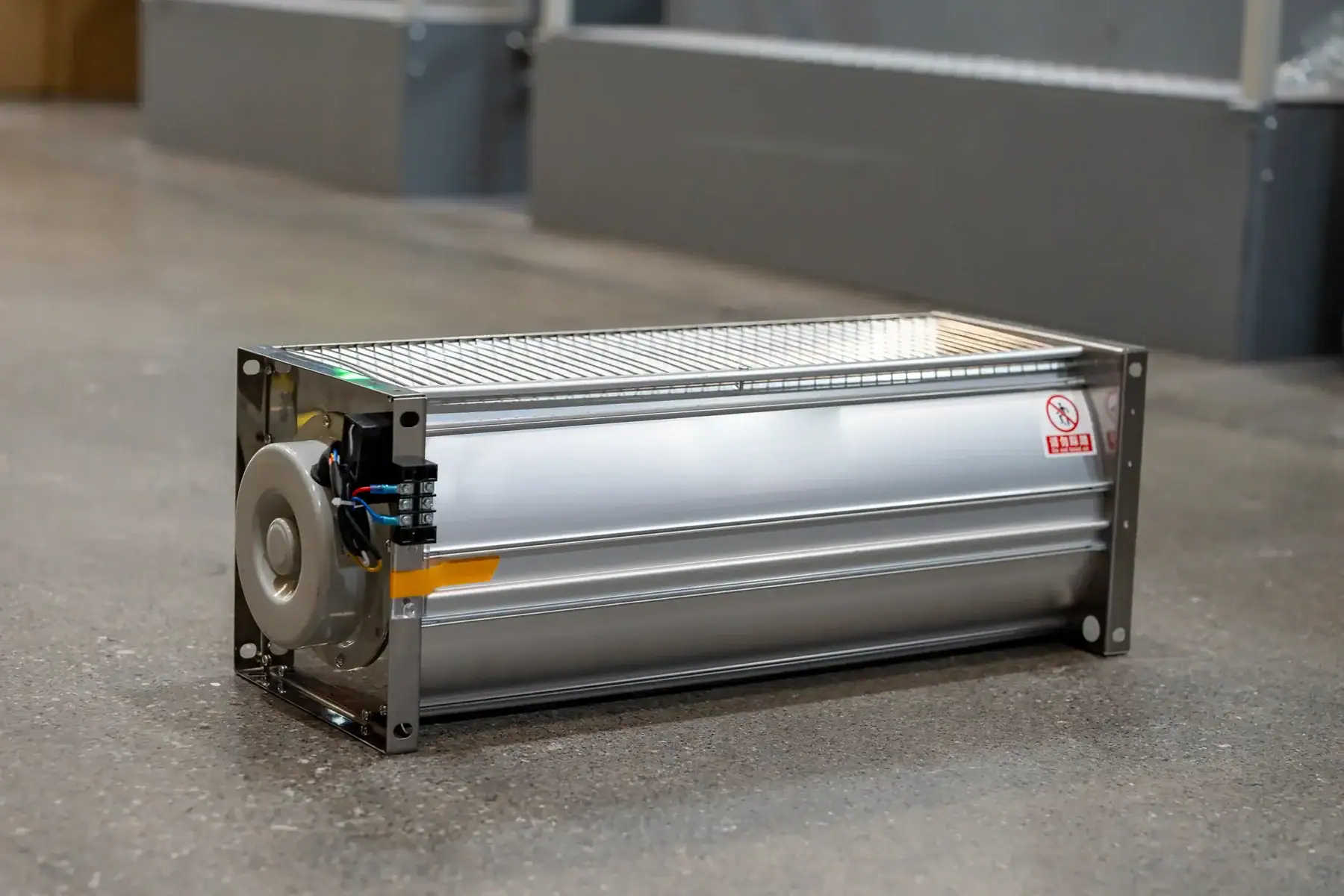
- Forced Air Cooling: Uses fans to enhance air circulation in dry type transformers. This method increases cooling efficiency and is often employed in environments where natural air flow is inadequate.
- Forced Oil Cooling: Involves pumping oil through the transformer for better cooling efficiency. This method is typically used in high-capacity transformers, where enhanced cooling is necessary to handle significant electrical loads.
Dry type oil filled transformers leverage advanced cooling techniques to ensure reliability and efficiency, without relying heavily on oil. This makes them a modern solution that balances performance with environmental considerations.

Comparing Dry Type and Traditional Oil Filled Transformers
When choosing between dry type and traditional oil filled transformers, several factors come into play:
- Safety: Dry type oil filled transformers offer enhanced safety due to reduced oil content. This is a critical consideration in environments where the risk of fire or contamination must be minimized.
- Environmental Impact: With minimal oil usage, dry type transformers are more environmentally friendly. This makes them a preferred choice for projects that prioritize sustainability and compliance with environmental regulations.
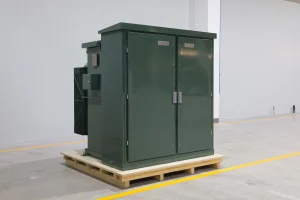
- Installation Flexibility: Dry type transformers can be installed indoors or outdoors without special enclosures. This flexibility can lead to cost savings and ease of integration into existing infrastructure.
- Maintenance: Reduced maintenance needs make dry type transformers cost-effective in the long run. This is especially beneficial in applications where minimizing downtime is crucial to operational success.
Applications of Dry Type Oil Filled Transformers
These transformers are used in a variety of sectors and applications, including:
- Commercial Buildings: Ideal for environments where safety and noise reduction are important. Their quiet operation and low maintenance needs make them a suitable choice for densely populated areas.
- Industrial Plants: Suitable for operations requiring high efficiency and reliability. Their robust performance ensures consistent energy supply to critical industrial processes.
- Renewable Energy Projects: Used in wind and solar power installations, thanks to their eco-friendly design. Their adaptability to remote and environmentally sensitive locations enhances their appeal for renewable energy initiatives.
- Public Infrastructure: Employed in schools, hospitals, and other facilities where safety is crucial. Their reliability and safety features make them a trusted component in essential services and public buildings.
Conclusion
Dry type oil filled transformers represent a significant advancement in transformer technology. They provide a safer, more environmentally friendly, and efficient alternative to traditional oil filled transformers. Their versatility and reduced maintenance needs make them an ideal choice for a wide range of applications. As the demand for sustainable and reliable power solutions continues to grow, dry type oil filled transformers are poised to play an increasingly important role in power distribution systems worldwide.
By understanding the advantages and applications of these transformers, businesses and organizations can make informed decisions that align with their operational goals and environmental commitments. As innovation in transformer technology continues, dry type oil filled transformers are set to become an integral part of the future of energy distribution, offering solutions that meet the challenges of modern power systems.