In the world of electrical engineering, transformers play a crucial role in power distribution and voltage regulation. Among the various types of transformers, dry type transformers stand out due to their unique design and operational features. This article aims to provide a comprehensive understanding of dry type transformers, their insulation types, and their applications.

A dry type transformer is an electrical transformer in which the windings and core are not immersed in liquid insulation. Unlike oil-filled transformers, dry type transformers use air as the primary cooling medium, making them a safer and more environmentally friendly option for many applications.
Key Features of Dry Type Transformers
- Non-Oil Based: As the name suggests, dry type transformers do not use oil for insulation, which eliminates the risk of oil leaks and fires.
- Environmental Safety: They are considered environmentally safe as they do not release harmful gases or pose a risk of oil contamination.
- Lower Maintenance: With no oil to monitor or replace, dry type transformers require less maintenance compared to their oil-filled counterparts.
Types of Dry Type Transformers
Dry type transformers come in various designs, each suited for specific applications and environments. The main types include:
Cast Resin Transformers

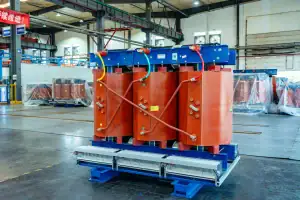
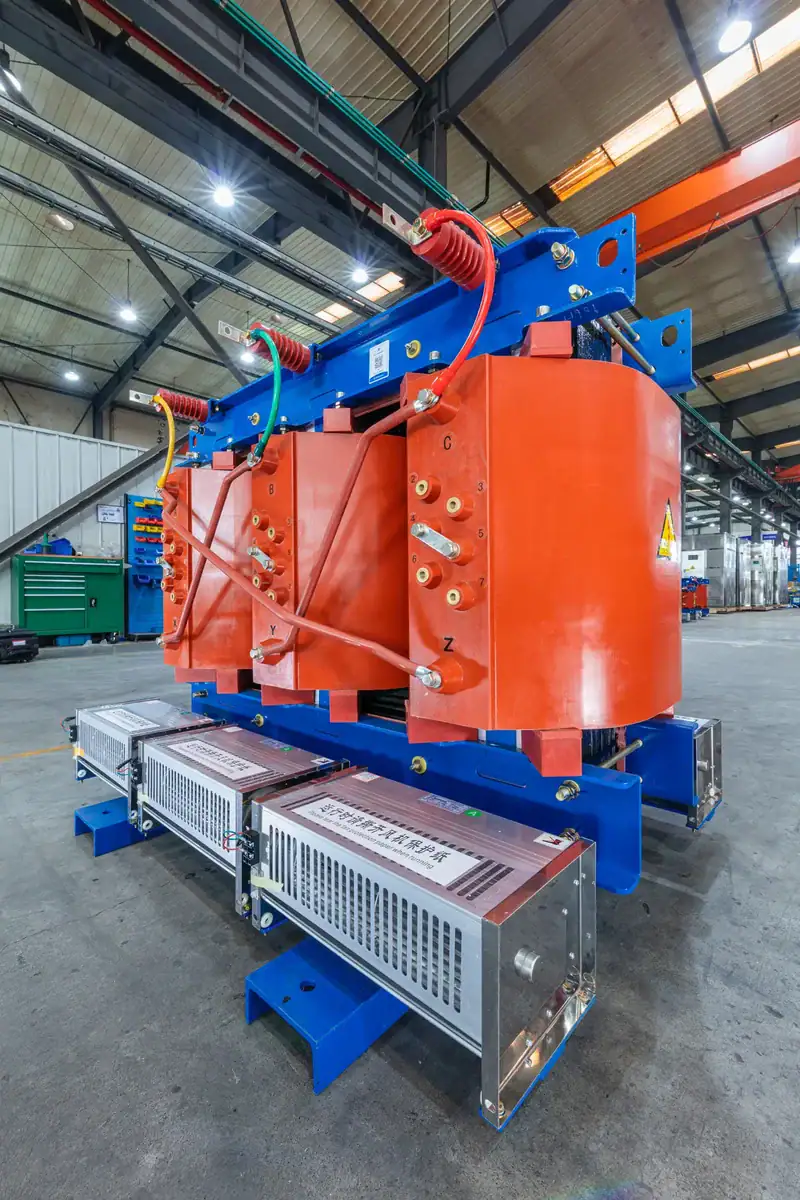
Cast resin transformers are designed with windings encapsulated in epoxy resin. This design offers excellent insulation and protection against moisture, dust, and other environmental contaminants. They are commonly used in indoor applications where space is limited and environmental conditions are controlled.
Advantages of Cast Resin Transformers
- High Moisture Resistance: The epoxy resin encapsulation provides superior protection against moisture, making these transformers ideal for humid environments.
- Low Fire Risk: The absence of oil reduces the risk of fire, making them suitable for use in densely populated areas or sensitive installations.
Vacuum Pressure Impregnated (VPI) Transformers
VPI transformers use a vacuum pressure process to impregnate the windings with a special varnish. This process enhances the insulation properties and mechanical strength of the transformer.
Benefits of VPI Transformers
- Robust Construction: VPI transformers are known for their robust construction, which makes them suitable for industrial applications.
- Versatility: They can be customized to meet specific voltage and power requirements, offering flexibility in design.
Design Aspects of Dry Type Transformers
Insulation Types
The insulation system in dry type transformers is critical to their performance and reliability. The most common insulation types include:
- Class B (130°C): Suitable for general applications with moderate temperature rise.
- Class F (155°C): Offers better thermal performance, making it ideal for high-temperature environments.
- Class H (180°C): Provides excellent thermal endurance, suitable for demanding applications where high temperatures are expected.
Cooling Methods
Dry type transformers rely on natural air convection for cooling. However, in high-load applications, forced air cooling systems can be installed to enhance heat dissipation and improve performance.
Applications of Dry Type Transformers
Dry type transformers are used in a wide range of applications due to their safety features and environmental benefits. Some common applications include:
- Commercial Buildings: They are ideal for use in office buildings, hospitals, and shopping malls due to their low fire risk and reduced maintenance needs.
- Industrial Facilities: VPI transformers are often used in factories and production plants where robust performance is required.
- Renewable Energy: Dry type transformers are increasingly used in wind and solar power installations due to their environmental compatibility and efficiency.
Advantages of Dry Type Transformers

- Safety: The absence of oil reduces the risk of fire and environmental contamination, making dry type transformers a safer option for populated areas.
- Environmental Benefits: With no risk of oil spills, these transformers have a lower environmental impact.
- Low Maintenance: The simplified design and lack of oil mean that dry type transformers require less frequent maintenance, reducing operational costs.
Conclusion
The transformer offers a compelling combination of safety, reliability, and environmental benefits. Whether for commercial, industrial, or renewable energy applications, understanding the design and operational features of these transformers can help in selecting the right type for your needs.
By choosing dry type transformers, businesses can enjoy reduced maintenance costs, enhanced safety, and a more environmentally friendly power distribution solution. As technology advances, we can expect even greater efficiencies and applications for these versatile electrical components.
In summary, dry type transformers are an essential part of modern electrical systems, providing a reliable and safe means of voltage transformation without the drawbacks associated with oil-filled transformers. Their design and operational advantages make them a preferred choice for a variety of applications worldwide.