Designing dry type transformers requires a thorough understanding of various components, materials, and engineering principles. These transformers play a vital role in electrical systems, offering safe, reliable, and efficient power distribution without the need for liquid cooling. In this article, we explore essential considerations in dry type transformer design, focusing on aspects such as cast resin, coil design, and cooling methods.

Dry type transformers are a popular choice for indoor applications due to their safety and minimal maintenance requirements. Unlike oil-filled transformers, these units use air as their primary cooling medium and are encapsulated in a cast resin or other insulating materials. This design reduces the risk of fire and environmental hazards, making it suitable for residential, commercial, and industrial applications.
Components of Dry Type Transformers
Dry type transformers consist of several key components, each contributing to their overall performance and durability. Understanding these components is crucial for effective design and operation.
- Core: The core is typically made of laminated silicon steel, which helps minimize energy losses due to hysteresis and eddy currents.
- Windings: Consisting of copper or aluminium, the windings are responsible for transferring electrical energy between circuits.
- Insulation System: Insulation materials, such as epoxy or resin, protect the windings and core from electrical and thermal stress.
- Cooling System: Air-cooled systems use ambient air or forced ventilation to dissipate heat generated during operation.
- Enclosure: The enclosure provides mechanical protection and minimizes exposure to environmental factors.
Cast Resin Transformer Design

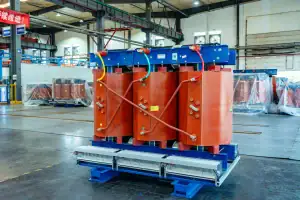
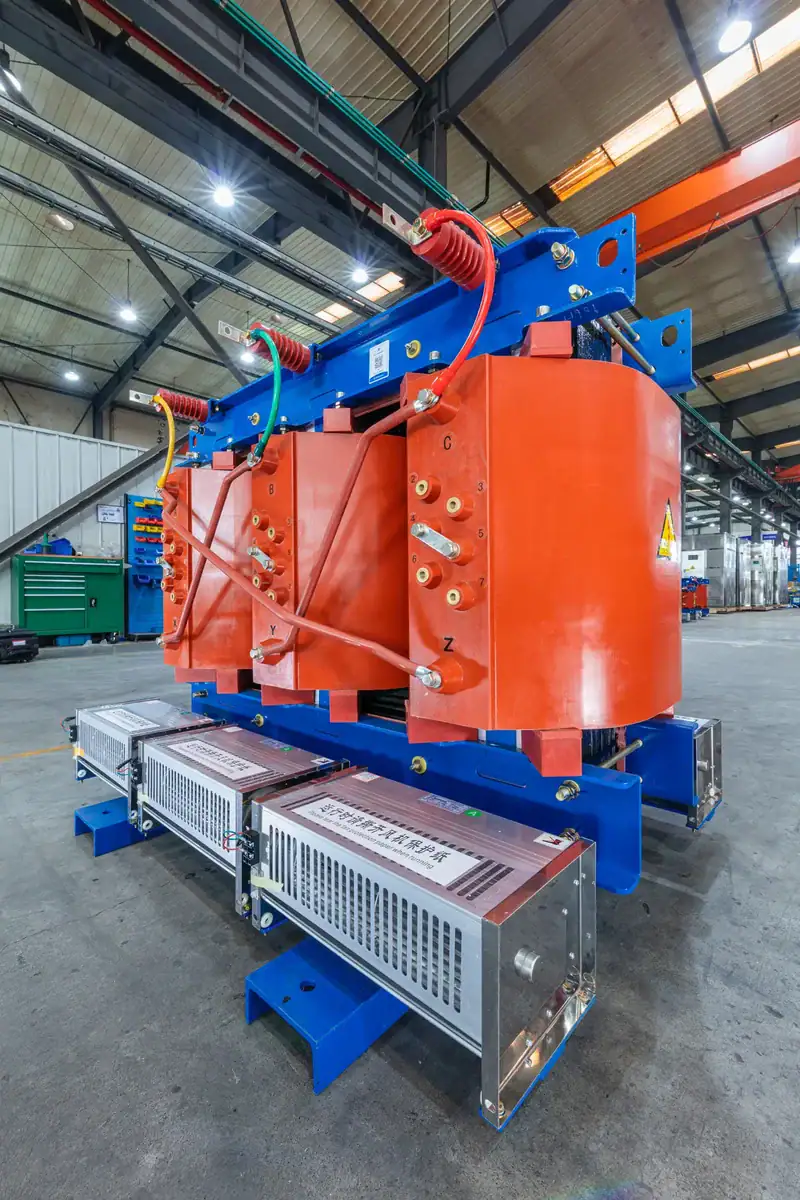
One of the most common types of dry transformers is the cast resin transformer. This design involves encapsulating the windings in epoxy resin, providing excellent insulation and mechanical strength. Here are some key considerations in cast resin transformer design:
Advantages of Cast Resin Transformers
- Safety: The absence of liquid coolants reduces fire risk and environmental concerns.
- Durability: The epoxy resin provides robust protection against moisture, dust, and other contaminants.
- Low Maintenance: With fewer components and no oil, these transformers require minimal upkeep.
Design Considerations
- Thermal Management: Effective heat dissipation is crucial for maintaining performance and longevity. Designers should consider air circulation and ventilation when planning the transformer’s placement.
- Mechanical Strength: The resin’s mechanical properties must withstand the forces exerted by electromagnetic fields and thermal expansion.
- Electrical Performance: The insulation system should provide high dielectric strength to prevent electrical breakdown.
Transformer Coil Design
Coil design plays a critical role in the efficiency and performance of dry type transformers. The choice of materials, winding techniques, and insulation all impact the transformer’s capabilities.
Material Selection
Copper and aluminium are the primary materials used for transformer windings. Both offer excellent conductivity, but copper is often preferred for its superior thermal performance and mechanical strength.
Winding Techniques
- Layer Winding: Involves wrapping the conductor in multiple layers, providing uniform distribution of electrical stress and improved thermal performance.
- Disc Winding: Utilizes flat discs of wire, offering better cooling and reduced electrical stress compared to layer winding.
Insulation System
The insulation system is crucial for preventing electrical failures and ensuring long-term reliability. Designers must select materials that offer high dielectric strength and thermal stability.
Dry Type Cooling Methods

Effective cooling is essential for maintaining the performance and lifespan of dry type transformers. Various cooling methods are available, each with its own advantages and limitations.
Air Natural (AN) Cooling
Air natural cooling relies on natural convection to dissipate heat. This method is suitable for smaller transformers or installations with low ambient temperatures.
Air Forced (AF) Cooling
Air forced cooling uses fans or blowers to enhance air circulation and improve heat dissipation. This method is ideal for larger transformers or installations in warmer environments.
Air Forced Water Cooled (AFWF) Cooling
In air forced water cooled systems, heat exchangers transfer heat from the transformer to a water circuit, which then dissipates the heat through a cooling tower or radiator. This method offers superior cooling performance but requires additional infrastructure and maintenance.
Insulation Systems for Dry Transformers
The insulation system is a critical component of dry type transformers, protecting against electrical and thermal stress. Various materials and techniques are used to achieve optimal performance.
Epoxy Resin
Epoxy resin is a popular choice for cast resin transformers due to its excellent dielectric properties and mechanical strength. It provides robust protection against moisture and contaminants, ensuring reliable operation in harsh environments.
Thermosetting Polyurethane
Thermosetting polyurethane offers similar benefits to epoxy resin but with enhanced thermal performance and flexibility. This material is ideal for applications requiring high thermal endurance and mechanical resilience.
Conclusion: A Comprehensive Transformer Design Guide
Designing dry type transformers involves careful consideration of various factors, from material selection to cooling methods. By understanding the key components and their interactions, designers can create efficient, reliable transformers that meet the needs of modern electrical systems.
In summary, the main considerations in dry type transformer design include:
- Choosing the appropriate insulation system for electrical and thermal protection.
- Selecting suitable materials and winding techniques for optimal performance.
- Implementing effective cooling methods to maintain temperature and ensure longevity.
By addressing these aspects, engineers can develop advanced transformer designs that offer safety, efficiency, and durability in a wide range of applications.