
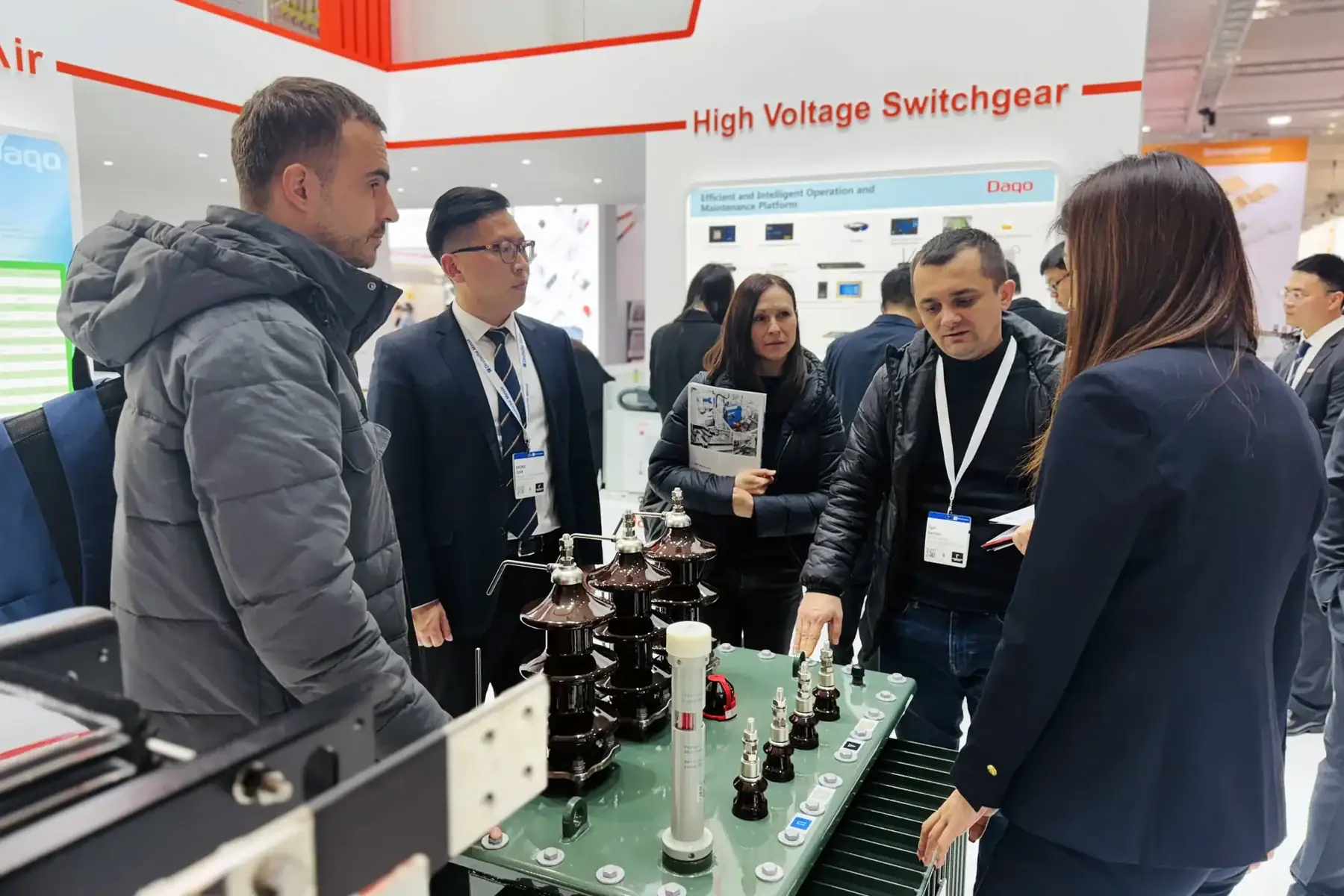
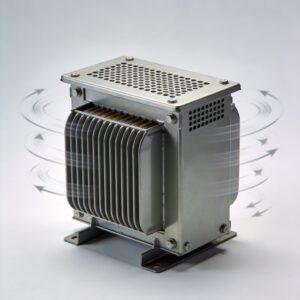
Dry type transformers, unlike their oil-filled counterparts, use air as a coolant. This design reduces the risk of fire and environmental contamination, making them ideal for indoor and environmentally sensitive installations. Their construction makes them inherently safer, removing the risk associated with oil leaks and the potential for hazardous spills. Within this category, the cast resin dry type transformer is particularly popular in India, thanks to its robustness and adaptability across various climates and applications.
Furthermore, dry type transformers are noted for their installation versatility, allowing them to be placed in diverse settings without the need for special containment measures. This flexibility makes them suitable for use in urban areas where space and safety are of paramount concern. Their ability to function efficiently in high-risk areas without posing safety hazards is one of the key features that make them increasingly popular in both residential and industrial scenarios.
Benefits of Dry Type Transformers

The benefits of dry type transformers are numerous. They offer enhanced safety, require less maintenance, and can operate efficiently in humid environments. Their flame-retardant properties make them a preferred choice in densely populated areas and critical infrastructure. These transformers are also more resilient to environmental factors, such as moisture and dust, which can otherwise affect performance and longevity.
Moreover, their design eliminates the need for oil changes and leak monitoring, reducing operational costs over time. This makes them especially attractive in regions with stringent environmental regulations, as they do not pose the same risks of contamination as oil-filled transformers. These attributes not only contribute to their growing popularity but also position them as a sustainable choice for future-proofing energy infrastructure in India.
Market Drivers in India

Several factors are fueling the growth of the dry type transformer market in India. The government’s push for sustainable and safe energy solutions, coupled with increased urbanization and industrialization, is driving demand. A burgeoning middle class and rapid technological advancements further contribute to the need for more efficient and reliable power solutions. These economic and demographic shifts are reshaping the energy landscape, with dry type transformers playing a pivotal role.
The rise in energy consumption, driven by industrial growth and urban expansion, necessitates the adoption of reliable and safe power distribution systems. Dry type transformers are uniquely positioned to meet these demands, offering a combination of safety, efficiency, and environmental friendliness. Their adaptability to various power needs makes them a critical component in India’s push towards modernizing its energy infrastructure.
Government Initiatives
India’s focus on renewable energy and smart grid initiatives plays a significant role. The government is investing in infrastructure projects that require reliable and safe transformers, thereby boosting the dry type transformer industry. Initiatives such as the National Smart Grid Mission and various state-level renewable projects are accelerating the adoption of these transformers. These efforts are not only enhancing grid reliability but also supporting India’s broader goals of reducing carbon emissions and increasing energy efficiency.
Furthermore, policies that encourage the development of green technologies have created a favorable environment for the growth of dry type transformers. By providing incentives and support for sustainable energy projects, the government is actively fostering a market that values innovation and sustainability. This alignment between policy and industry needs is a major catalyst for the ongoing transformation in the energy sector.
Urbanization and Industrialization
As cities expand and industries grow, the demand for efficient and compact power solutions rises. Dry type transformers, with their small footprint and high reliability, are perfectly suited to meet these needs. In rapidly urbanizing regions, where space and safety are primary considerations, these transformers offer a practical solution. Their ability to be installed in confined spaces without compromising on performance or safety makes them indispensable in modern urban planning and industrial setups.
The industrial sector, in particular, benefits from the robustness and efficiency of dry type transformers. As industries aim to minimize downtime and maximize productivity, the reliability and low maintenance requirements of these transformers offer significant advantages. In addition, their compatibility with renewable energy sources aligns with the industrial sector’s increasing shift towards sustainable operations.
Key Players in the Market
India hosts a range of manufacturers producing high-quality dry type transformers. These companies are investing in research and development to innovate and improve their product offerings. The competitive landscape is characterized by a blend of domestic expertise and global technological advancements, driving continuous improvement in transformer design and functionality. This dynamic market environment fosters collaboration and innovation, ensuring that Indian manufacturers remain at the forefront of the global transformer industry.
Leading Manufacturers
Names like ABB India, Siemens, and Schneider Electric are prominent in the Indian market. These companies are not only supplying domestically but are also exporting to other countries, further expanding the market’s reach. Their commitment to quality and innovation ensures that Indian-made transformers meet international standards, enhancing their appeal in global markets. In addition to these multinational giants, several local companies are gaining recognition for their specialized products and services, contributing to the vibrancy and diversity of the market.
Through strategic partnerships and investments in cutting-edge technology, these manufacturers are enhancing their capabilities and addressing emerging market needs. By focusing on sustainable manufacturing practices and customer-centric solutions, they are solidifying their positions as leaders in the industry. This forward-thinking approach is crucial for maintaining competitiveness and meeting the evolving demands of a rapidly changing energy landscape.
Challenges and Opportunities
While the market is on a growth trajectory, it faces challenges such as high initial costs and competition from oil-filled transformers. However, the long-term benefits and regulatory support for eco-friendly solutions present significant opportunities. The initial investment in dry type transformers can be a barrier for some, but the potential for cost savings over time, coupled with enhanced safety and environmental benefits, often outweighs these concerns. Addressing these cost-related challenges through financing solutions and educational initiatives could further catalyze market growth.
Cost Considerations
Dry type transformers are generally more expensive upfront compared to oil-filled ones. However, their lower maintenance costs and longer lifespan can offset the initial investment over time. By reducing operational expenses and minimizing the risk of costly downtime, they offer a compelling value proposition. Additionally, as manufacturing processes improve and economies of scale are achieved, the cost differential is expected to decrease, making dry type transformers more accessible to a broader range of customers.
The economic argument for dry type transformers is further strengthened by their alignment with regulatory trends favoring sustainable technologies. As governments and organizations increasingly prioritize environmental responsibility, the long-term financial benefits of adopting eco-friendly solutions like dry type transformers become more apparent. This shift is likely to encourage more widespread adoption and drive market growth.
Technological Advancements
Advancements in technology offer opportunities for the development of more efficient and cost-effective transformers. Innovations in materials and cooling systems are likely to drive further adoption. The integration of digital technologies and smart features into transformers is transforming how they operate and are maintained. These advancements not only enhance performance but also offer new capabilities, such as remote monitoring and predictive maintenance, which can significantly improve operational efficiency.
The ongoing research into alternative materials and improved insulation techniques promises to reduce costs and enhance the durability of dry type transformers. As these technologies mature, they will open new avenues for innovation and help overcome some of the current limitations. This continuous cycle of technological improvement is a testament to the industry’s commitment to sustainability and efficiency.
Future Prospects
The future of India’s dry type transformer market looks promising. With continued government support and technological advancements, the market is poised for sustained growth. As the energy landscape evolves, dry type transformers are expected to play a crucial role in supporting the country’s transition to a more sustainable and resilient power infrastructure. The increasing emphasis on renewable energy and grid modernization will likely be key drivers of this growth.
Market Forecasts
Industry analysts predict a steady increase in demand for dry type transformers, particularly in the medium voltage segment. This growth is expected to be driven by the expansion of the renewable energy sector and the modernization of the electrical grid. As more renewable energy projects come online, the need for efficient and reliable transformers that can handle variable loads and integrate seamlessly with existing infrastructure will become increasingly important. This trend is expected to create substantial opportunities for manufacturers and service providers alike.
Furthermore, the focus on enhancing grid reliability and resilience in the face of climate change and other challenges will likely spur additional investment in dry type transformer technology. As these efforts gain momentum, the market is set to expand, offering a wealth of opportunities for innovation and growth.
Environmental Impact
As environmental concerns become more pressing, dry type transformers‘ eco-friendly nature will make them even more attractive. Their ability to reduce carbon footprints aligns well with global sustainability goals. By minimizing the risk of oil leaks and reducing the need for regular maintenance, these transformers contribute to lower overall environmental impact. This characteristic is increasingly important as industries and governments strive to meet ambitious environmental targets and reduce their carbon emissions.
The broader adoption of dry type transformers can also support global efforts to transition to cleaner energy systems. By integrating seamlessly with renewable energy sources and enhancing energy efficiency, they contribute to the development of a more sustainable and resilient power infrastructure. This alignment with international sustainability objectives ensures that dry type transformers will remain a key component of the future energy landscape.
FAQ
1. What is the current size of the dry type transformer market in India?
India’s dry type transformer market is experiencing steady growth. It was valued at approximately USD 245–775 million in 2025, depending on segmentation scope, and is projected to reach USD 440 million to over USD 1.5 billion by 2033–2034, with a CAGR ranging from 6% to nearly 9%.
2. What are the key drivers of market growth in India?
Major growth drivers include:
- Rapid expansion of renewable energy projects (solar, wind)
- Increasing demand from data centers and IT infrastructure
- Government initiatives like smart cities and electrification programs
- Rising focus on fire safety and environmentally friendly equipment
3. Which segments dominate the Indian market?
- Medium voltage transformers hold the largest market share and are also the fastest-growing segment
- Key applications include industrial facilities, commercial buildings, renewable energy systems, and urban substations
4. Why are dry-type transformers preferred in India?
They are increasingly favored because they:
- Eliminate oil, reducing fire and environmental risks
- Require low maintenance
- Are ideal for indoor and urban installations
- Comply with stricter safety regulations
5. What industries are driving demand?
The strongest demand comes from:
- Renewable energy (solar parks, wind farms)
- Data centers and IT infrastructure
- Commercial real estate and infrastructure projects
- Manufacturing and industrial sectors
6. What are the future trends in the India dry type transformer market?
Key trends include:
- Growth of smart grids and digital monitoring systems
- Increased adoption of the EV charging infrastructure
- Development of compact and energy-efficient designs
- Expansion driven by urbanization and power distribution upgrades
Conclusion
India’s dry-type transformer market is at an exciting juncture. With strong market drivers, key industry players, and promising prospects, the sector is set for significant expansion. The ongoing transformation is not only reshaping India’s energy infrastructure but also positioning the country as a leader in sustainable energy solutions. For businesses and investors, this represents a valuable opportunity to engage with a growing industry that aligns with global trends towards safer, more sustainable energy solutions.
Understanding these growth trends provides a competitive edge and highlights the critical role dry-type transformers will play in India’s energy landscape. As the market continues to evolve, stakeholders who are proactive in adapting to these changes will be well-positioned to capitalize on the opportunities that arise. By focusing on innovation, collaboration, and sustainability, the dry-type transformer industry is poised to make a lasting impact on India’s energy future.


 English
 Français
 Español
 Deutsch