

Understanding the dynamics of the dry type transformers market requires a holistic view of the factors influencing it. From regulatory changes that push for greener technologies to advancements in materials science that make these transformers more efficient, there is a confluence of elements driving the market forward. As countries worldwide make strides toward energy independence and sustainability, dry type transformers will likely emerge as a linchpin in achieving these goals.
What Are Dry Type Transformers?
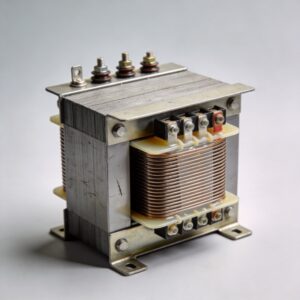
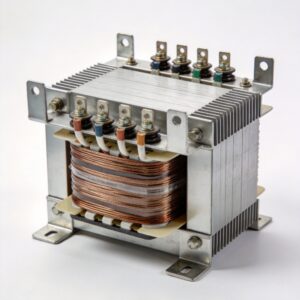
Before diving into the trends, it’s essential to understand what dry type transformers are. Unlike their oil-filled counterparts, dry type transformers use air instead of oil as a cooling medium. This makes them safer, as there’s no risk of oil leaks or fires, and more environmentally friendly. Their lack of oil also means they have a reduced risk of environmental contamination, making them an attractive choice for applications in sensitive environments such as hospitals and schools.
Durability and Efficiency Advantages
Dry type transformers are known for their durability and efficiency. They are designed to withstand harsh conditions, making them ideal for both indoor and outdoor applications. Their robust construction not only ensures safety but also contributes to lower maintenance costs over their lifecycle. With advancements in materials and design, these transformers are continually evolving to meet the increasing demands of modern energy distribution systems.
The Push for Energy Efficiency
One of the primary drivers of the dry type transformer market is the increasing demand for energy-efficient solutions. As countries strive to reduce carbon emissions and promote sustainable energy practices, dry type transformers offer an ideal solution. They operate with minimal energy loss, thus enhancing overall system efficiency.
Moreover, the push for energy efficiency is bolstered by government regulations and incentives aimed at reducing energy consumption. Many countries are implementing stringent energy efficiency standards for electrical equipment, which encourages the adoption of technologies like dry type transformers.
Role in Renewable Energy Integration
The global shift towards renewable energy sources like wind and solar is influencing the transformer market. Dry type transformers are particularly suited for renewable energy applications because of their robustness and ability to withstand harsh environmental conditions. Their ability to perform reliably in variable conditions ensures they can efficiently handle power generated from intermittent renewable sources.
Furthermore, as the global energy mix shifts towards renewables, the demand for infrastructure that can support these technologies grows. Dry type transformers play a crucial role in integrating renewable energy into existing grids, ensuring efficient and safe power transmission.
Growing Demand from Urbanization
Rapid urbanization and the expansion of urban infrastructure require reliable and efficient power distribution systems. Dry type transformers, with their low maintenance needs and safety features, are increasingly being deployed in urban settings, including residential complexes, commercial buildings, and public infrastructure projects.
As cities continue to grow, dry type transformers offer reliable power distribution while minimizing environmental impact. Their compact size and ability to be installed in confined spaces make them ideal for densely populated urban areas.
The Rise of Cast Resin Transformers
A significant segment within the dry type transformer market is the cast resin transformer market. These transformers are gaining popularity due to their excellent fire resistance and minimal maintenance requirements. They are often used in environments where safety is paramount, such as schools, hospitals, and underground facilities.
The demand for cast resin transformers is also driven by their ability to operate in environments with high levels of dust and moisture. As industries and governments invest in safer and more reliable power systems, this segment is poised for strong growth.
The Growth of Oil-Free Transformers
The oil-free transformer industry is expanding as industries seek safer and more sustainable alternatives to oil-filled transformers. The absence of oil reduces the risk of contamination and makes these transformers suitable for sensitive areas like water treatment plants and chemical facilities.
Oil-free transformers also offer reduced maintenance and operational costs since there’s no need for oil testing or disposal. This makes them both an environmentally and economically attractive option.
Market Outlook and Forecast
The forecast for dry-type power transformers indicates steady growth over the next decade. Factors such as technological advancements, rising investments in renewables, and strict environmental regulations are expected to fuel this trend. As global electricity demand continues to rise, efficient and sustainable power distribution solutions will become increasingly essential.
Challenges Facing the Market
Despite strong growth potential, challenges remain. High initial costs compared to oil-filled transformers can deter adoption, especially in cost-sensitive regions. Limited awareness of their long-term benefits also poses a barrier. Manufacturers must emphasize lifecycle savings and environmental advantages to overcome these hurdles.
Competition from traditional oil-filled transformers continues to exist, as they are often perceived as cheaper in the short term. However, dry type transformers offer superior safety and sustainability benefits that justify their higher upfront cost.
Opportunities for Innovation and Expansion
Continuous innovation, combined with government incentives for energy-efficient technologies, offers significant opportunities for market expansion. The growing focus on smart grids and digitalization enables manufacturers to integrate advanced monitoring and control systems into transformer design.
Additionally, the global movement toward carbon neutrality will further drive adoption, as industries seek cleaner, greener technologies.
Regional Market Insights
North America
North America is a major player in the dry type transformers market, driven by strong investments in renewable energy and sustainability initiatives. Policies promoting energy efficiency and grid reliability are fueling adoption in the U.S. and Canada.
Europe
Europe’s strict environmental standards and renewable energy goals make it a lucrative region for dry type transformer manufacturers. Countries like Germany, the UK, and France are leading adopters, with the EU’s decarbonization policies further accelerating growth.
Asia-Pacific
Asia-Pacific is witnessing rapid expansion due to urbanization, industrialization, and renewable energy projects, particularly in China and India. Government energy-efficiency initiatives and infrastructure growth continue to support strong market demand.
The Future of Dry Type Transformers
The future of the dry type transformers market looks bright, driven by advances in materials, smart technology integration, and sustainability goals. Innovations in digital monitoring, predictive maintenance, and smart grid connectivity will redefine power distribution efficiency.
Collaboration between industry and academia will accelerate the development of next-generation transformers capable of meeting evolving global energy needs.
Conclusion
The dry type transformers market is on a strong growth trajectory, fueled by trends in energy efficiency, renewable adoption, and urbanization. Despite challenges such as high initial costs, ongoing innovation and global sustainability initiatives ensure a promising future. As industries and governments worldwide pursue greener solutions, dry type transformers will remain central to the sustainable energy transition.




 English
 Français
 Español
 Deutsch