In today’s rapidly evolving world of electrical infrastructure, dry type transformers have become a cornerstone of power distribution. Unlike their oil-filled counterparts, dry type transformers use air as a cooling medium, offering unique advantages. Let’s dive into the applications and benefits of dry type transformers and why they are increasingly preferred in various sectors.
What Are Dry Type Transformers?
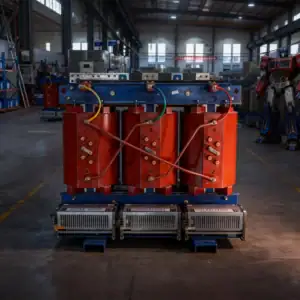
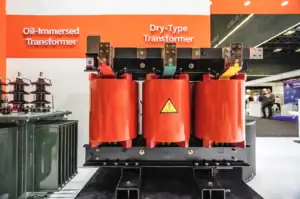
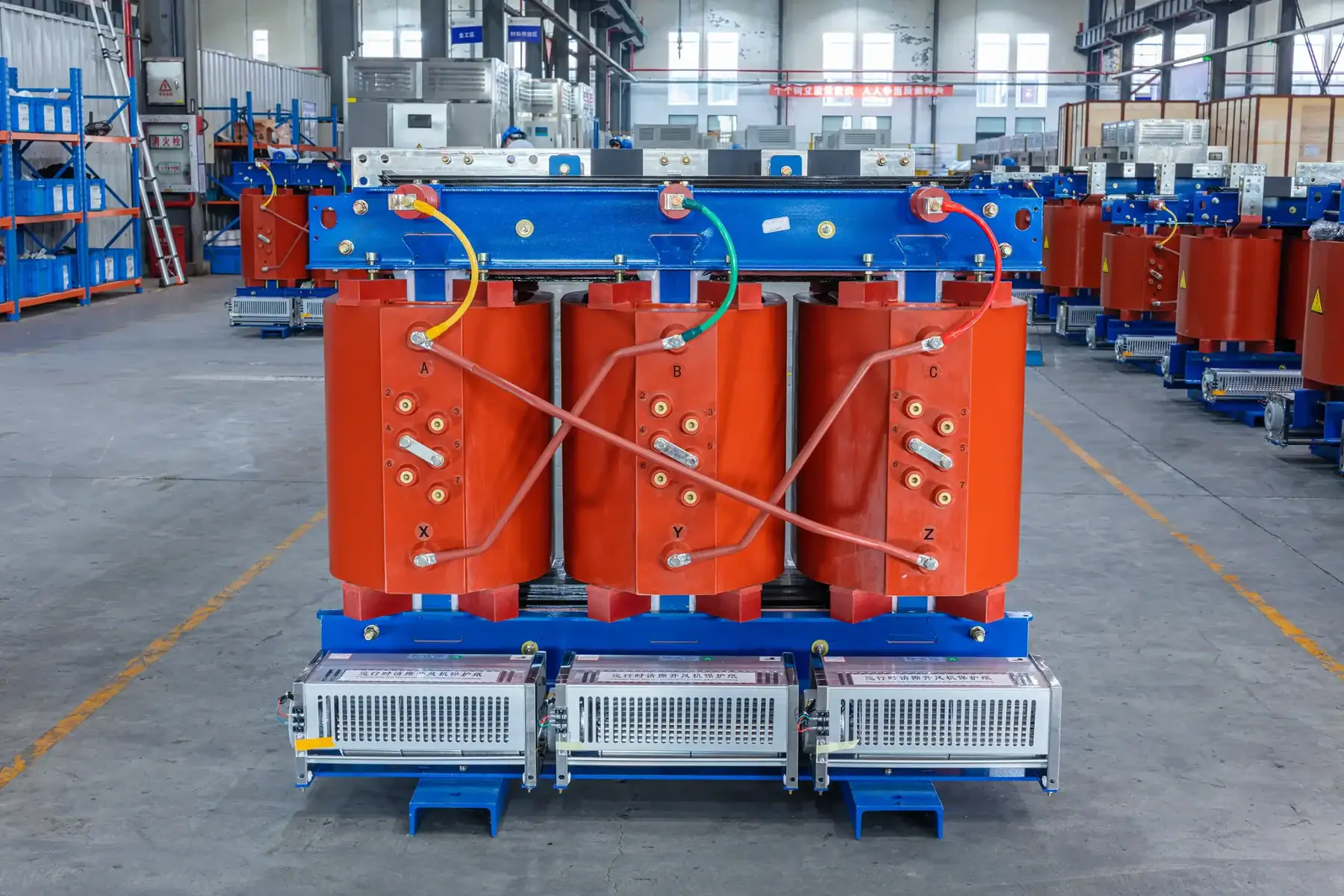
Dry type transformers, also known as cast resin transformers, are electrical transformers that do not use liquid to cool their components. Instead, they rely on air ventilation and encapsulated windings to dissipate heat. This makes them a safer and more environmentally friendly option for numerous applications.
Key Applications of Dry Type Transformers
Dry type transformers have found their niche in several sectors due to their versatility and safety features. Here are some key applications:
Commercial Buildings
Dry type transformers are commonly used in commercial buildings, including shopping malls, hospitals, and office complexes. Their ability to handle high loads with minimal risk of fire makes them ideal for densely populated areas.
- Safety: Without the risk of oil leaks or fires, dry type transformers are a safer choice for buildings with high foot traffic.
- Space Efficiency: They can be installed indoors, reducing the need for additional protective structures.
Industrial Applications

Industries such as manufacturing, chemical processing, and mining benefit greatly from dry type transformers. Their robust construction can withstand harsh environments and fluctuating power demands.
- Durability: Resistant to dust, chemicals, and moisture, they are well-suited for industrial settings.
- Flexibility: Available in various sizes and capacities to meet specific industrial needs.
Power Distribution
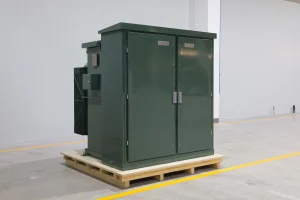
In power distribution networks, dry type transformers are used to step down high voltage electricity to usable levels for homes and businesses.
- Reliability: They provide stable power distribution with low maintenance requirements.
- Environmental Impact: Absence of oil eliminates the risk of soil contamination.
Benefits of Using Dry Type Transformers
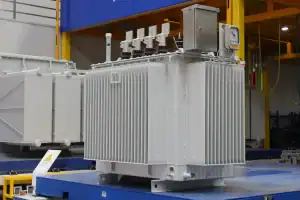
The adoption of dry type transformers is driven by several benefits that make them stand out from traditional oil-filled transformers.
Enhanced Safety
Safety is a primary concern in electrical installations, and dry type transformers excel in this area.
- Non-flammable: Without oil, there’s no risk of fire or explosion.
- Reduced Pollution: In case of failure, there’s no risk of oil spills.
Transformer Efficiency
Efficiency is crucial in power systems, and dry type transformers perform exceptionally well.
- Low Losses: Advanced designs minimize energy losses, improving overall efficiency.
- Minimal Maintenance: Fewer components mean less wear and tear, reducing downtime.
Environmental Considerations
With growing awareness of environmental issues, dry type transformers align well with sustainable practices.
- Eco-friendly: No oil means no risk of environmental contamination.
- Quiet Operation: Their design reduces noise pollution, making them suitable for urban areas.
Cost-effectiveness
While the initial cost of dry type transformers may be higher, their long-term savings can be substantial.
- Reduced Operating Costs: Lower maintenance and higher efficiency result in cost savings over time.
- Longevity: With proper care, these transformers have a long service life, providing value for money.
Choosing the Right Dry Type Transformer
Selecting the right transformer requires careful consideration of several factors:
Load Requirements
Assess the power demand and ensure the transformer can handle peak loads without compromising efficiency.
Installation Environment
Consider the environmental conditions where the transformer will be installed, such as temperature, humidity, and exposure to chemicals or dust.
Regulatory Compliance
Ensure the transformer meets local and international safety and efficiency standards.
Future of Dry Type Transformers
The future looks promising for dry type transformers, with advancements in technology and a shift towards more sustainable energy solutions.
Technological Innovations
Research and development are leading to more efficient designs and materials that enhance the performance of dry type transformers.
Growing Demand in Renewable Energy
As the world shifts towards renewable energy sources, dry type transformers will play a vital role in integrating these into existing power grids.
Conclusion
Dry type transformers offer numerous advantages, from enhanced safety and efficiency to environmental benefits. Their applications in commercial, industrial, and power distribution sectors underscore their versatility and reliability. As technology advances and environmental concerns grow, dry type transformers are poised to become even more integral to modern power systems. Whether you’re planning a new installation or upgrading existing infrastructure, considering dry type transformers could be a wise decision for the future.