When it comes to electrical transformers, there are several types to consider, each with unique features and applications. Among these, dry type transformers stand out due to their specific construction and operational advantages. This article will guide you through the basics of dry type transformers, including their definition, working principle, features, and benefits.

A dry type transformer, as the name suggests, operates without the use of any insulating liquid. Unlike traditional oil-filled transformers, dry type transformers rely on air or other non-liquid substances for cooling. This unique feature makes them suitable for indoor applications where safety is a priority.
Dry Type Transformer Definition
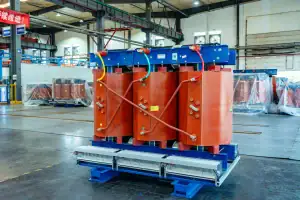
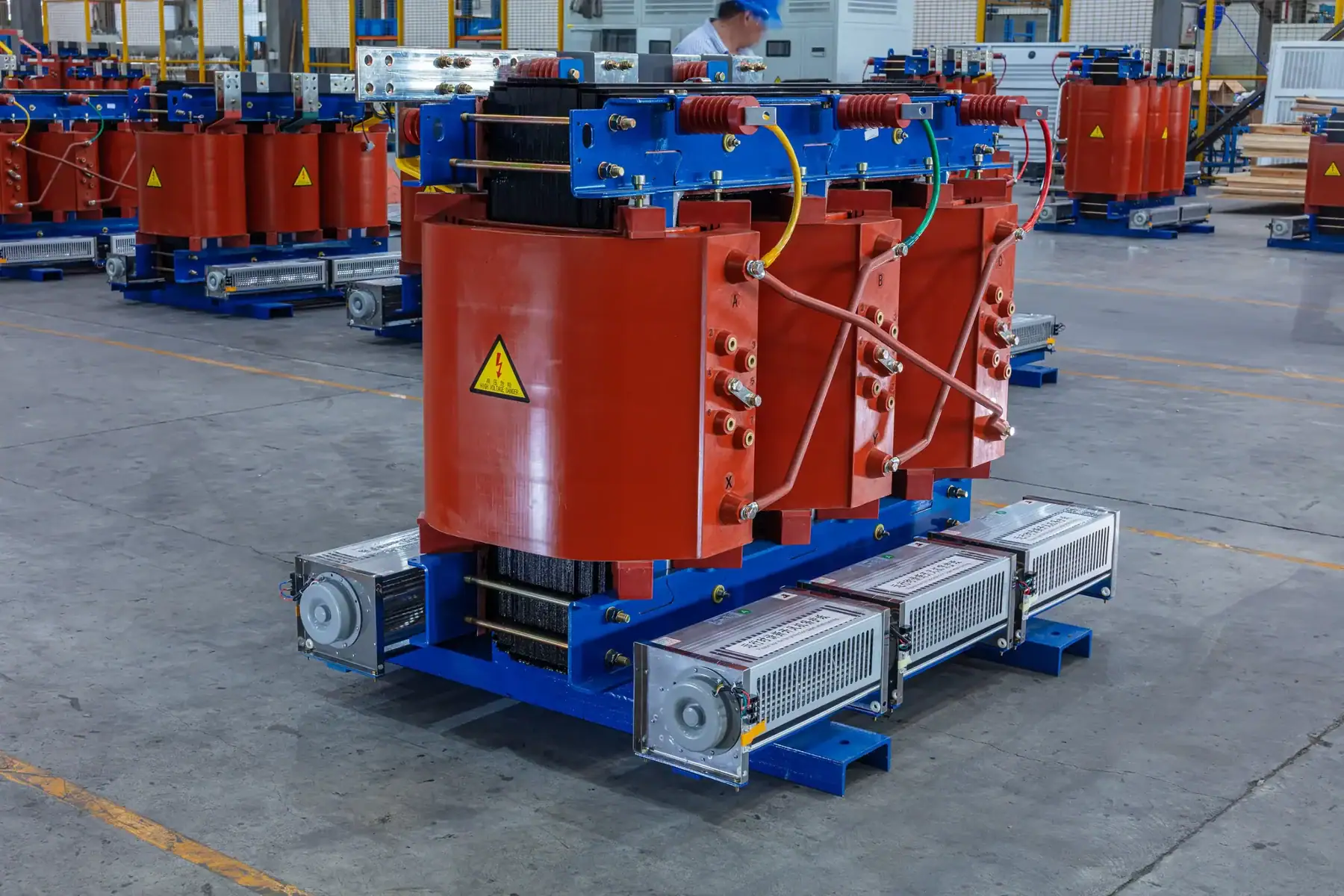
In simple terms, a dry type transformer is an electrical transformer that uses air-cooled technology instead of oil or liquid coolants. It is also referred to as an air-cooled transformer or cast resin transformer. The main components are encased in epoxy resin, which provides excellent insulation and protection against environmental factors.
How Does a Dry Type Transformer Work?
Understanding the working principle of a dry type transformer is key to appreciating its functionality and applications.
Dry Transformer Working Principle
A dry type transformer operates on the basic principle of electromagnetic induction. It consists of primary and secondary windings wrapped around a magnetic core. When an alternating current (AC) passes through the primary winding, it creates a magnetic field that induces a voltage in the secondary winding. This voltage transformation allows the transfer of electrical energy between circuits.
Air-Cooled Mechanism
The air-cooled mechanism of a dry type transformer involves using natural or forced air to dissipate heat generated during operation. This eliminates the need for oil, reducing the risk of leaks and fire hazards. The absence of oil also means less maintenance and a longer lifespan.
Features of Dry Type Transformers
Dry type transformers have several features that make them a preferred choice for various applications. Here are some key features:
Safety and Environmental Friendliness
Since dry type transformers do not use oil, they are less likely to catch fire or cause environmental pollution. This makes them ideal for indoor use in hospitals, schools, and commercial buildings.
Low Maintenance
The lack of oil and fewer moving parts results in lower maintenance requirements. This leads to reduced operating costs and increased reliability over time.
Durability
Encased in epoxy resin, dry type transformers are resistant to dust, moisture, and chemical contaminants. This enhances their durability and ensures consistent performance even in harsh conditions.
Compact Design
Dry type transformers are generally more compact and lighter than their oil-filled counterparts. This makes installation easier, especially in confined spaces.
Types of Dry Type Transformers
There are different types of dry type transformers, each designed for specific applications. Some of the common types include:
Cast Resin Transformer
A cast resin transformer uses epoxy resin to encapsulate the windings, providing superior insulation and protection. This type is highly resistant to short circuits and electrical surges.
Vacuum Pressure Impregnated (VPI) Transformer
VPI transformers are made by impregnating the windings with varnish under vacuum pressure. This process enhances insulation and cooling, making them suitable for industrial applications.
Epoxy Resin Transformer
An epoxy resin transformer is similar to a cast resin type but uses a different manufacturing process. It offers high mechanical strength and is commonly used in environments with high humidity or chemical exposure.
Applications of Dry Type Transformers

Dry type transformers find applications in various sectors due to their unique advantages. Some of the common applications include:
Commercial and Residential Buildings
Due to their safety and environmental benefits, dry type transformers are widely used in commercial complexes, residential buildings, and educational institutions.
Industrial Facilities
In industries where high reliability and minimal maintenance are crucial, dry type transformers are preferred. They are used in manufacturing plants, refineries, and chemical processing units.
Renewable Energy Systems
Dry type transformers play a vital role in renewable energy systems, such as wind and solar farms. Their durability and efficiency make them ideal for converting and distributing energy.
Advantages of Dry Type Transformers
The benefits of using dry type transformers are numerous and contribute to their growing popularity in various fields.
Enhanced Safety
The absence of oil reduces the risk of fire, making it a safer option for indoor installations.
Environmentally Friendly
Without oil, these transformers eliminate the risk of spills and environmental contamination, supporting sustainable practices.
Cost-Effective
Lower maintenance and operational costs make it a cost-effective solution for many applications.
Longevity and Reliability
Their robust design and construction ensure a long operational life with minimal downtime, providing reliable performance over the years.
Conclusion
The transformers offer numerous advantages over traditional oil-filled transformers, making them an ideal choice for a wide range of applications. With their enhanced safety, durability, and environmental benefits, they are well-suited for use in various settings, from commercial buildings to renewable energy systems. Understanding the basics of dry type transformers allows businesses and individuals to make informed decisions about their electrical infrastructure needs. Whether you’re dealing with confined spaces, seeking to reduce environmental impact, or aiming for cost-effective solutions, dry type transformers are a versatile and reliable option worth considering.