
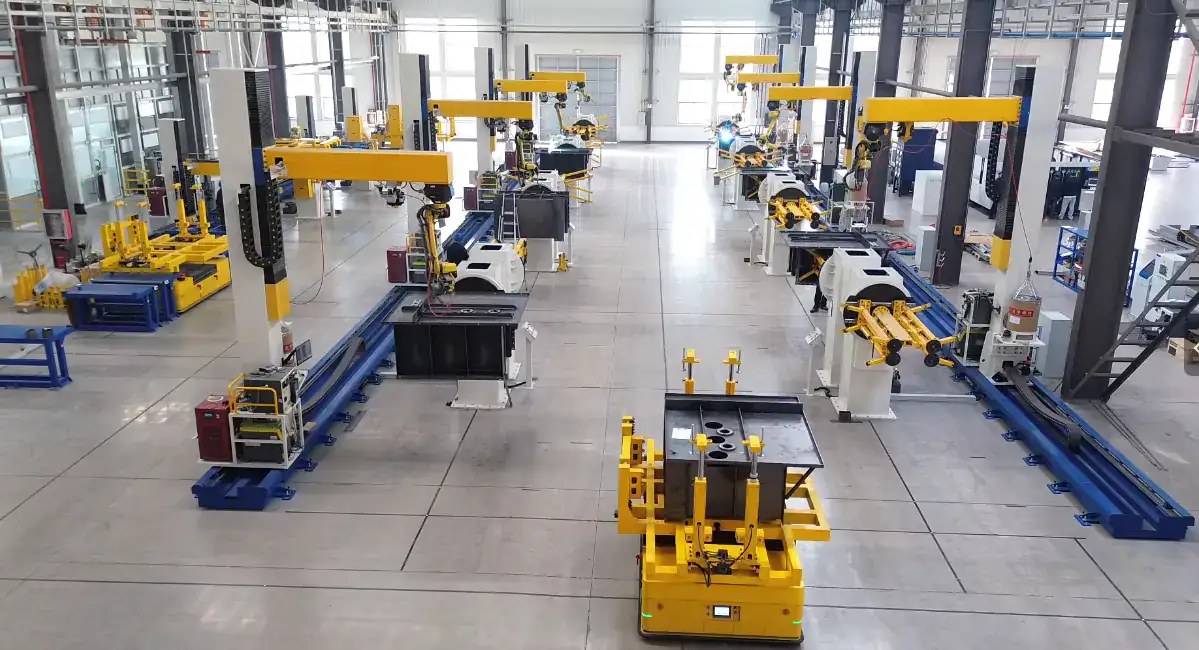
En el complejo mundo de la ingeniería eléctrica, elegir al fabricante de transformadores a medida adecuado no es sólo una decisión; es una asociación estratégica que puede influir significativamente en el éxito de su proyecto. Tanto si trabaja en soluciones de energías renovables, sistemas avanzados de control de motores o cualquier otra tecnología de vanguardia, la calidad y fiabilidad de sus transformadores son primordiales. El fabricante adecuado no sólo le proporcionará componentes de alta calidad, sino que también le ofrecerá una experiencia inestimable, guiándole a través de los entresijos del diseño, la conformidad y la optimización del rendimiento. Se trata de algo más que de encontrar un proveedor; se trata de encontrar un colaborador que comprenda su visión y tenga la capacidad de hacerla realidad.
Piense en esto: una encuesta realizada entre profesionales del sector reveló que casi 70% atribuyen los retrasos y sobrecostes de los proyectos a la mala elección de los proveedores. Para evitar estos escollos, hay que entender los matices que diferencian a un fabricante de transformadores a medida del resto. ¿Ofrecen soluciones a medida que se ajustan a sus requisitos técnicos específicos? ¿Son proactivos a la hora de adoptar innovaciones que puedan beneficiar a su aplicación? En esta entrada del blog, profundizaremos en los aspectos críticos que hay que tener en cuenta a la hora de selección del socio fabricante, garantizando que su proyecto no sólo cumpla los plazos, sino que supere las expectativas.

Evaluación de los conocimientos técnicos y la experiencia
Al seleccionar un fabricante de transformadores a medida, el primer criterio que hay que evaluar es la profundidad de sus conocimientos técnicos y su experiencia práctica. El historial de un fabricante puede medirse en años de funcionamiento, pero lo más importante es la complejidad y diversidad de los proyectos que ha realizado con éxito. Busque socios que hayan colaborado en aplicaciones similares a las suyas, ya sean inversores de energías renovables, equipos médicos de precisión o accionamientos de motores industriales. Su familiaridad con los requisitos del nicho se traducirá en menos revisiones de diseño, plazos más cortos y, en última instancia, un producto más fiable.
Más allá de los años que lleven en el negocio, investigue el talento de ingeniería que hay entre bastidores. ¿Cuentan con ingenieros de diseño experimentados que conozcan los materiales magnéticos, la gestión térmica y la compatibilidad electromagnética? ¿Disponen de modernas herramientas de simulación para optimizar las configuraciones de los devanados y las laminaciones del núcleo? Un entorno de I+D sólido indica un fabricante comprometido con la mejora continua, lo que garantiza que su transformador se beneficie de los últimos avances en eficiencia y reducción de tamaño. En resumen, el fabricante de transformadores a medida adecuado debe funcionar como una extensión de su equipo, anticipándose a los retos y recomendando innovaciones que mejoren el rendimiento desde el primer día.
Por último, profundice en los estudios de casos y testimonios de clientes para verificar las afirmaciones de experiencia. Solicite ejemplos en los que el fabricante haya superado obstáculos inesperados, como altas corrientes de entrada, estrictas normativas sobre ruido o entornos exteriores adversos. Su capacidad para solucionar problemas en tiempo real y ofrecer soluciones personalizadas dice mucho de su capacidad para resolver problemas. Al evaluar rigurosamente las credenciales técnicas y la experiencia práctica, posicionará su proyecto para el éxito, con la seguridad de que su socio de transformadores puede cumplir tanto con la complejidad del diseño como con la escalabilidad de la producción.
Procesos de control de calidad y certificaciones
El alto rendimiento de un transformador comienza con un control de calidad sin concesiones, y el fabricante de transformadores a medida que elija debe demostrar que cuenta con procedimientos rigurosos en todas las fases de producción. Empiece por examinar sus protocolos de inspección de materiales entrantes: ¿se comprueba la conformidad con las especificaciones de materias primas como devanados de cobre, papeles aislantes y laminados del núcleo? Una lista detallada de materiales y registros de trazabilidad garantizan que cada componente cumple los parámetros eléctricos, mecánicos y térmicos definidos, minimizando la variabilidad y los defectos desde el principio.
A continuación, examine los controles de calidad durante el proceso del fabricante. Busque pruebas de supervisión automatizada de la tensión del bobinado, controles del proceso de impregnación y plantillas de montaje del núcleo de alta precisión que mantengan tolerancias estrictas. Los sistemas digitales de adquisición de datos deben capturar métricas en tiempo real como la temperatura, los niveles de descarga parcial y la resistencia del aislamiento. Estos puntos de control automatizados no sólo mejoran la repetibilidad, sino que también permiten una rápida identificación de las desviaciones, reduciendo las tasas de rechazo y los costes de reprocesado.
Por último, verifique las certificaciones externas de su socio, que sirven como validación por terceros de su sistema de gestión de la calidad. Las normas internacionales como ISO 9001 para calidad general, ISO 14001 para gestión medioambiental e IATF 16949 para aplicaciones específicas de automoción son fundamentales. Además, busque homologaciones UL, CE o CSA que confirmen el cumplimiento de los requisitos de seguridad. Un fabricante de transformadores a medida certificado opera en un marco de mejora continua, lo que significa que audita los procesos de forma rutinaria, aborda las no conformidades e invierte en actualizaciones de equipos para mantener una integridad superior del producto.
Cumplimiento de las normas y reglamentos del sector
Navegar por la intrincada red de normas del sector no es negociable a la hora de elegir un fabricante de transformadores a medida. Los organismos reguladores imponen directrices estrictas para garantizar la seguridad, la compatibilidad electromagnética (CEM) y la seguridad de los transformadores. eficiencia energética. Su fabricante debe conocer a fondo las normas IEC, IEEE y NEMA aplicables, garantizando que cada iteración del diseño cumpla los puntos de referencia mundiales en cuanto a rigidez dieléctrica, aumento de temperatura, y niveles sonoros.
Más allá de las normas de diseño, hay que tener en cuenta las normativas regionales y específicas del sector. Para aplicaciones médicas o aeroespaciales, pueden ser obligatorias certificaciones adicionales, como ISO 13485 para dispositivos médicos o AS9100 para el sector aeroespacial. La experiencia normativa garantiza que sus transformadores superarán las aprobaciones críticas sin costosos rediseños. Asociarse con un fabricante que realiza un seguimiento proactivo de la evolución de las normas y las incorpora a su flujo de trabajo de ingeniería puede ahorrar tiempo y presupuesto durante la validación del producto y la implantación en campo.
Además, el cumplimiento se extiende a directivas medioambientales como RoHS y REACH, que restringen las sustancias peligrosas en los equipos eléctricos. Un fabricante de transformadores a medida responsable mantiene cadenas de suministro transparentes y declaraciones de conformidad actualizadas. Al verificar que su socio fabricante se adhiere a estas normas integrales, usted mitiga los riesgos de sanciones por incumplimiento, restricciones a la exportación o daños a la reputación, garantizando que su proyecto se mantenga dentro de los plazos y en línea con los requisitos reglamentarios mundiales.
Canales de comunicación y colaboración
Una comunicación excelente es la piedra angular del éxito de cualquier colaboración con un fabricante de transformadores a medida. Desde la solicitud de oferta inicial hasta la entrega de la producción, necesita actualizaciones claras y puntuales sobre las iteraciones de diseño, los plazos de entrega y los puntos de control de calidad. Evalúe si el fabricante ofrece un gestor de proyectos dedicado que sirva como único punto de contacto y consolide la información entre los equipos de ingeniería, compras y producción.
Igualmente importante es la capacidad del fabricante para colaborar a través de plataformas digitales. ¿Utilizan herramientas de gestión de proyectos basadas en la nube, portales de intercambio de datos CAD o paneles de control en tiempo real para supervisar la producción? El intercambio fluido de datos minimiza los malentendidos y garantiza que los cambios de diseño se registren con precisión. Cuando la proximidad es un problema, las videoconferencias periódicas, las visitas virtuales a la fábrica y los procesos de aprobación digital salvan las distancias geográficas, fomentando la transparencia y la responsabilidad.
Otra dimensión de la colaboración es la alineación cultural y la capacidad de respuesta. Evalúe el tiempo de respuesta a las consultas técnicas y la disposición a organizar revisiones conjuntas del diseño. Un fabricante de transformadores a medida proactivo se anticipará a sus necesidades, propondrá sugerencias de valor añadido y permanecerá accesible tanto en la fase de creación de prototipos como en la de producción en serie. Si establece protocolos de comunicación bien definidos y aprovecha las modernas herramientas de colaboración, generará confianza, reducirá los ciclos de reprocesamiento y acelerará la comercialización.
Conclusiones: Construir una asociación de éxito
Seleccionar al fabricante de transformadores a medida adecuado es una tarea polifacética que depende de la destreza técnica, los estrictos controles de calidad, el cumplimiento normativo y la colaboración sin fisuras. Al examinar a fondo la experiencia, las certificaciones y los procesos de comunicación, puede alinearse con un socio que no solo cumpla los requisitos básicos, sino que también eleve su proyecto con ideas innovadoras y apoyo proactivo.
En última instancia, invertir tiempo en estas evaluaciones críticas fomenta una alianza estratégica. El fabricante elegido se convierte en algo más que un proveedor: se convierte en un contribuyente integral a su éxito, transformando los retos en oportunidades y suministrando transformadores fiables y de alto rendimiento que superan la prueba del tiempo.



 English
 Français
 Español
 Deutsch