
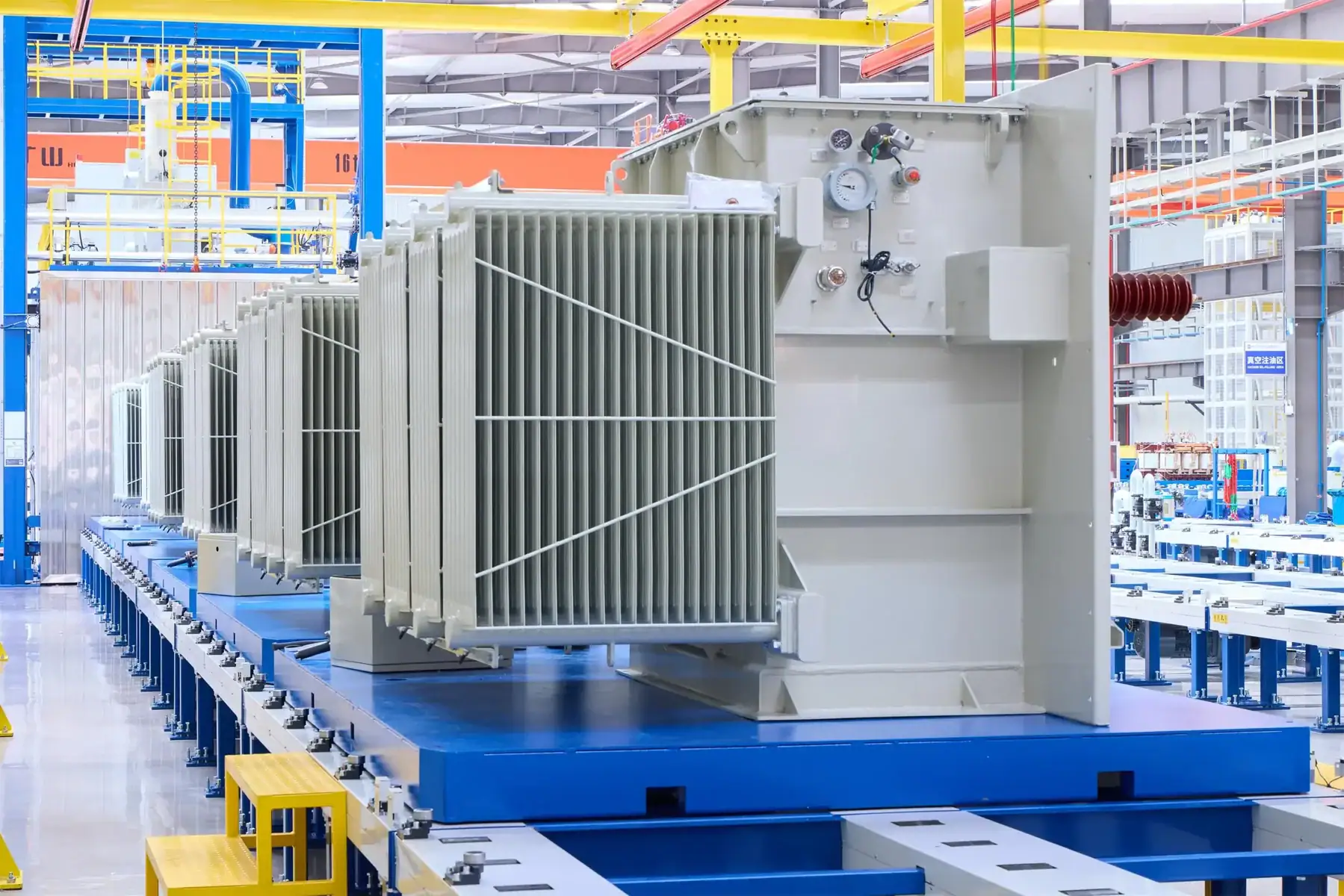
Picture this: a bustling cityscape at night, illuminated by twinkling lights as skyscrapers stretch toward the stars. All of that electrical energy surging seamlessly through the veins of the city is made possible by one crucial component—transformers. Specifically, oil filled transformers are the unsung heroes of our modern world, ensuring that the electricity generated reaches our homes, businesses, and industries safely and efficiently. But just as any hero needs maintenance to perform at their best, these transformers require precise and regular testing. Unfortunately, testing complex systems like these often presents challenges that many industry professionals face.
Navigating the intricate landscape of oil filled transformer testing can be daunting, yet it is non-negotiable for ensuring reliability and safety in power distribution. Did you know that a substantial portion of transformer failures can be attributed to insufficient or improper testing methods? This makes mastering this critical process not just beneficial, but essential to keeping the lights on—literally. With industry insights and expert tips at your disposal, you can transform potential pitfalls into a pathway of proficiency, all while safeguarding the infrastructure that powers our lives. In the following sections, we’ll delve into the nuances of transformer testing, equipping you with the knowledge needed to excel in this pivotal aspect of electrical engineering.
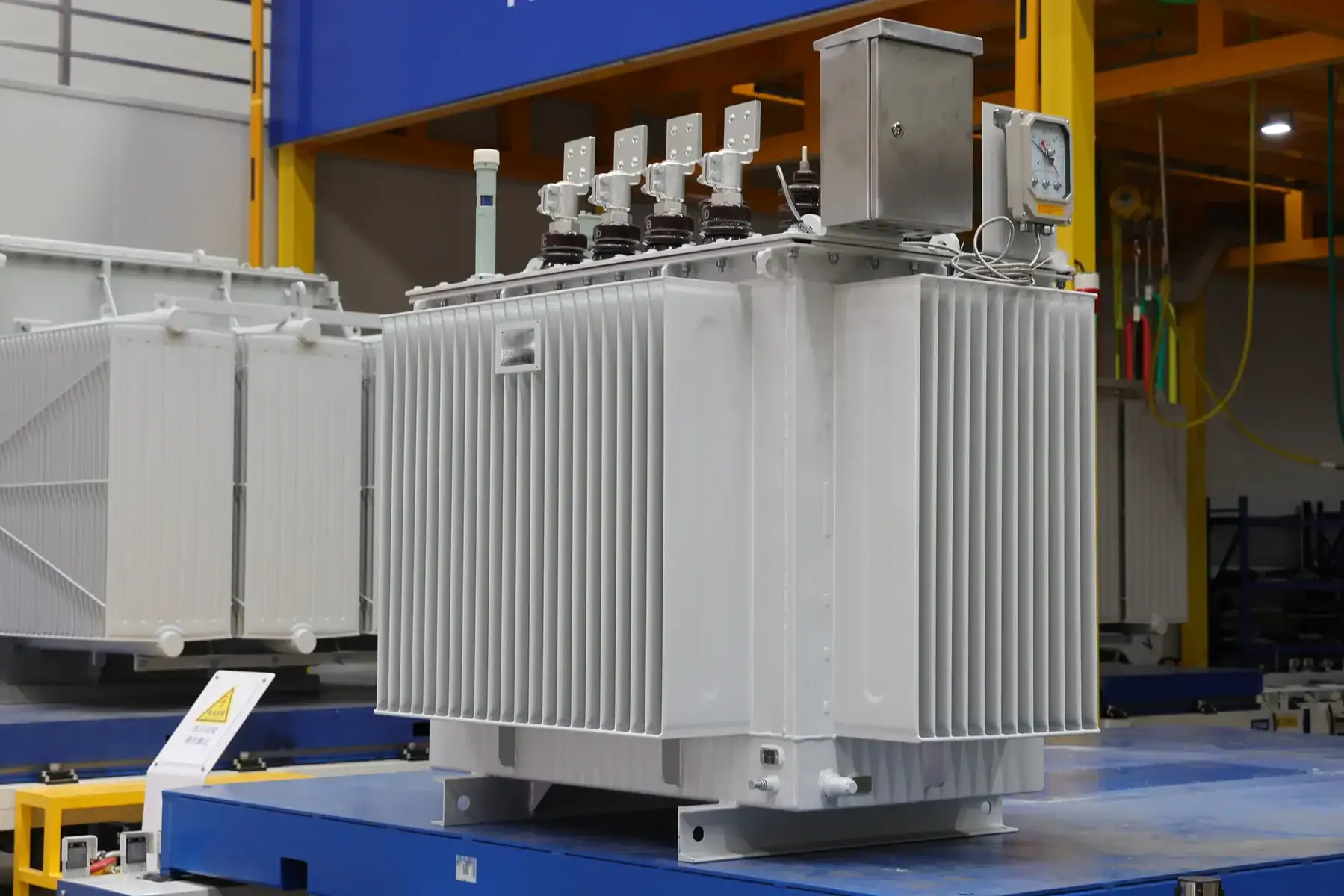
Importance of Oil Filled Transformer Testing
Regular oil filled transformer testing is the cornerstone of a robust electrical power system. By evaluating insulation integrity, dielectric strength, and oil quality, testing helps to identify latent defects before they escalate into catastrophic failures. Transformers are exposed to thermal stresses, electrical surges, and environmental contaminants over their service life. Without comprehensive testing protocols, tiny faults in winding insulation or oil degradation can go unnoticed, potentially causing unplanned outages, costly repairs, or safety hazards.
Beyond mitigating downtime, consistent testing supports predictive maintenance strategies that extend equipment lifespan and improve cost efficiencies. When utilities and industrial facilities implement scheduled diagnostic procedures—such as dissolved gas analysis (DGA), power factor measurement, and oil acidity tests—they gain actionable insights into the transformer’s health. These proactive measures not only reduce the likelihood of sudden failures but also optimize asset management by prioritizing maintenance tasks based on real conditions rather than fixed schedules. Ultimately, the strategic deployment of oil filled transformer testing fosters reliability, safety, and operational excellence across the power grid.
Key Industry Insights on Testing Procedures
The landscape of transformer diagnostics is continuously evolving, driven by technological advancements and tightening regulatory requirements. Modern testing procedures now often combine traditional techniques with automated data acquisition systems to deliver greater accuracy and efficiency. For instance, infrared thermography and online monitoring solutions can provide real-time insights into temperature gradients and partial discharge activity, while portable test equipment ensures field technicians can perform critical measurements with minimal setup time.
Industry standards such as IEEE C57.104 and IEC 60076 provide comprehensive guidelines on test methodologies, reporting formats, and pass/fail criteria. Adhering to these benchmarks ensures consistency across vendors and utilities, promoting interoperability and comparability of results. Moreover, emerging trends like machine learning algorithms applied to historical test data are enabling predictive analytics, where subtle shifts in DGA ratios or insulation resistance trends trigger early warnings. By staying abreast of these developments, professionals can harness state-of-the-art procedures that enhance the precision and value of oil filled transformer testing.
Expert Tips for Effective Testing Techniques
Ensuring accurate and reliable results during oil filled transformer testing starts with meticulous preparation. Calibrate all measuring devices against certified standards before each testing campaign to eliminate drift and measurement errors. Plan tests during stable ambient conditions—ideally, when temperature and humidity variations are minimal—to avoid skewed readings. Equally important is verifying the cleanliness of the transformer’s external surfaces and oil sampling ports to prevent contamination of sensitive sensors and gas chromatography systems.
During the test, maintain clear communication among team members, especially when transitioning between high-voltage and low-voltage measurements. Document every step, from pre-test inspections to equipment configurations, to facilitate repeatability and troubleshooting. Leverage specialized accessories such as insulating bushings and dry-cup adapters to ensure safe connections and reduce moisture ingress. Finally, deploy advanced data analysis software to trend results over multiple test cycles, enabling you to distinguish between normal aging patterns and early signs of distress.
Interpretation of Test Results for Maintenance
Proper interpretation of oil filled transformer testing data is crucial for transitioning from diagnostics to maintenance planning. For dissolved gas analysis, focus on key gases—hydrogen, methane, ethylene, and acetylene—and apply Duval’s Triangle or Rogers ratios to pinpoint fault types like thermal overheating or partial discharge. Trending these gas concentrations over time allows you to detect acceleration in degradation rates before they breach established thresholds.
Similarly, evaluate power factor or dissipation factor results to assess insulation health. An increasing trend usually denotes moisture accumulation or contamination, prompting dielectric strength tests or oil reclamation procedures. Insulation resistance measurements, especially when performed at multiple voltage levels, offer another perspective on the condition of solid insulation. By correlating these diverse test outcomes, you can develop a prioritized maintenance schedule—ranging from minor oil processing to major overhauls—ensuring interventions are both timely and cost-effective.
Safety Precautions During Testing
Safety is non-negotiable when performing oil filled transformer testing, given the high-voltage environment and flammable nature of transformer oil. Before any test, conduct a thorough risk assessment to identify electrical, chemical, and physical hazards. Ensure that all personnel wear appropriate personal protective equipment (PPE), including arc-flash-rated clothing, insulated gloves, and face shields. Ground the transformer and test set properly to discharge residual voltages and minimize the risk of electric shock.
Maintain a strict lockout/tagout (LOTO) procedure when isolating the oil filled transformer from the supply. Store oil samples in approved containers away from ignition sources, and have spill containment kits on hand in case of leaks. During high-potential (hipot) tests, establish clear exclusion zones around the test area and use warning signage to prevent unauthorized entry. Finally, train all team members on emergency response protocols, including fire suppression techniques and first-aid measures, to ensure readiness in the event of an incident.
Best Practices for Transformer Testing Documentation
Comprehensive documentation underpins every successful oil filled transformer testing program. Start by using standardized report templates that capture essential details such as transformer make/model, rating, test date, technician name, and equipment serial numbers. Record environmental conditions—temperature, humidity, and barometric pressure—since these factors influence test results. Include raw data tables and graphical trending charts to provide visual clarity on performance changes over time.
Digitize your documentation process by leveraging cloud-based asset management platforms. This enables secure storage, fast retrieval, and data sharing across teams and stakeholders. Tag each test record with metadata—location, test type, urgency level—to streamline searches and identify maintenance patterns on a fleet level. Regularly review and audit reports for completeness and accuracy, ensuring that any anomalies or deviations trigger immediate follow-up investigations. By maintaining meticulous records, you create a knowledge base that supports continuous improvement and informed decision-making.
Conclusion: Elevating Your Transformer Testing Proficiency
Mastering oil filled transformer testing is a multifaceted journey that combines technical rigor, safety consciousness, and strategic documentation. By understanding the critical importance of regular diagnostics, embracing cutting-edge procedures, and applying expert tips, you can preempt failures and optimize maintenance budgets.
Adhering to industry standards, interpreting results effectively, and maintaining detailed records will elevate your testing proficiency and reinforce system reliability. Ultimately, a proactive approach to oil filled transformer testing not only safeguards infrastructure but also powers the world with uninterrupted energy.



 English
 Français
 Español
 Deutsch