
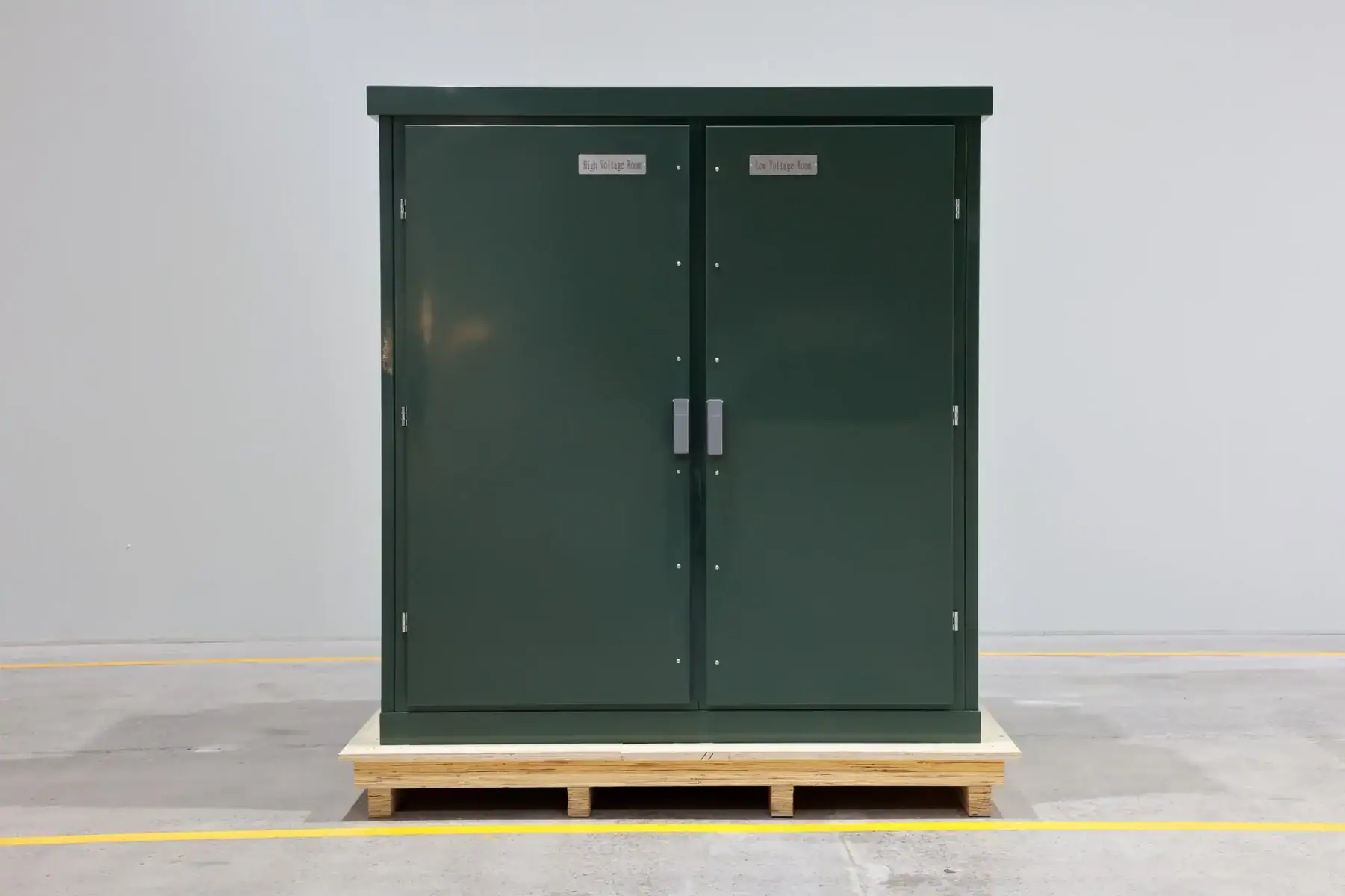
Cuando pensamos en electricidad, solemos imaginarnos las vastas líneas eléctricas y las subestaciones eléctricas. Sin embargo, entre nuestra vida cotidiana y las extensas redes eléctricas, se encuentran los héroes anónimos de la distribución eléctrica moderna: los transformadores de pedestal. Estas discretas cajas verdes desempeñan un papel crucial al reducir los altos voltajes a niveles más seguros para el uso diario. No obstante, comprender los diferentes tamaños de transformadores de pedestal puede resultar una tarea compleja tanto para los propietarios como para los profesionales del sector.
Imagínese una pequeña comunidad que sufre constantemente cortes de energía, o una planta industrial afectada por ineficiencias debido a especificaciones incorrectas de los transformadores. No interpretar correctamente el tamaño de estos transformadores puede provocar importantes interrupciones operativas y un aumento de los costos. En esta guía completa, desmitificaremos las complejidades que rodean el tamaño de los transformadores de montaje en plataforma, brindándole el conocimiento necesario para garantizar una distribución de energía eficiente y confiable en cualquier infraestructura. Acompáñenos mientras le mostramos el camino hacia una gestión de energía más inteligente y transformamos su percepción de estos componentes esenciales.

Comprender los conceptos básicos de los transformadores montados sobre almohadilla
Los transformadores de plataforma son un tipo especializado de transformador de distribución diseñado para instalación en exteriores, generalmente sobre una plataforma de concreto a nivel del suelo. Estas unidades son transformadores completamente cerrados, sumergidos en aceite y protegidos por carcasas de acero que resguardan los componentes internos contra la intemperie, el vandalismo y el contacto accidental. Se utilizan comúnmente en vecindarios residenciales, centros comerciales y parques industriales ligeros para reducir la tensión media de la red eléctrica (generalmente entre 7,2 kV y 35 kV) a tensiones bajas adecuadas para hogares y negocios, como 120/240 voltios. El diseño cerrado garantiza la seguridad del público y del personal de mantenimiento, a la vez que minimiza el espacio que ocupan en comparación con los transformadores tradicionales montados en postes.
La clave para seleccionar el transformador de pedestal adecuado reside en comprender su capacidad nominal (en kVA), configuración de voltaje, disposición de fases (monofásica o trifásica) y método de refrigeración. Las etiquetas de características del transformador especifican su capacidad máxima de manejo de carga en condiciones de funcionamiento estándar. Además, el transformador de pedestal debe cumplir con los requisitos de voltaje y fase secundarios de la compañía eléctrica local para integrarse sin problemas en la red de distribución. Un conocimiento adecuado de estas características básicas constituye la base para dimensionar e instalar el transformador de pedestal del tamaño correcto para cada aplicación.
Factores que influyen en la selección del tamaño del transformador
Seleccionar el tamaño adecuado del transformador requiere un análisis minucioso de los requisitos de carga y los planes de expansión futuros. El factor principal es la demanda de carga prevista, que incluye tanto cargas continuas (iluminación, sistemas de climatización, electrónica) como cargas intermitentes o pico (ascensores, maquinaria, cargadores de vehículos eléctricos). Un análisis detallado de la carga ayuda a determinar la potencia nominal en kVA adecuada para garantizar que el transformador funcione sin sobrecalentamiento ni caídas de tensión excesivas. Además, es recomendable incluir un margen de seguridad —normalmente de 10 a 251 TP3T por encima de la demanda máxima prevista— para dar cabida a un aumento inesperado de la carga o a futuras ampliaciones de las instalaciones.
Las condiciones ambientales y las limitaciones del emplazamiento también desempeñan un papel crucial. La temperatura ambiente, la altitud y la proximidad a otros equipos generadores de calor pueden afectar al rendimiento térmico del transformador, determinando si se necesita una mayor potencia aparente (kVA) o mejoras especiales en la refrigeración. Asimismo, deben evaluarse las características de la tensión de la red eléctrica, los armónicos de cargas no lineales y la capacidad de resistencia a cortocircuitos requerida. Los códigos normativos y las distancias de seguridad influyen aún más en la selección de transformadores montados sobre plataforma, garantizando el cumplimiento de las normas eléctricas locales y minimizando el riesgo de fallos o interrupciones del servicio.
Tamaños comunes de transformadores montados sobre pedestal para uso residencial
En las urbanizaciones residenciales típicas, los transformadores de plataforma suelen tener una potencia de entre 25 kVA y 100 kVA, dependiendo de la densidad y el tipo de vivienda. Una unidad de 25 kVA puede abastecer una calle sin salida con viviendas unifamiliares de consumo moderado, mientras que un transformador de 50 kVA podría dar servicio a una docena de viviendas con electrodomésticos de alta demanda. A medida que los vecindarios crecen o incorporan dispositivos de alto consumo energético, como talleres domésticos, cargadores de vehículos eléctricos o bombas de calor geotérmicas, las unidades de 50 kVA a 75 kVA se vuelven más comunes. En comunidades más densas o complejos de casas adosadas, pueden ser necesarios transformadores de plataforma trifásicos de 100 kVA o más para equilibrar las cargas y reducir la caída de tensión.
Los fabricantes también ofrecen configuraciones versátiles: secundarios de doble voltaje para circuitos residenciales bifásicos, devanados primarios con múltiples tomas para ajustes de voltaje y provisiones para futuras ampliaciones. Elegir el tamaño adecuado del transformador de montaje en pedestal garantiza que cada hogar reciba un voltaje estable tanto en condiciones normales como de pico. Una correcta selección reduce las pérdidas de línea, evita desconexiones intempestivas y prolonga la vida útil de los equipos eléctricos. Los planificadores de las compañías eléctricas suelen estandarizar unas pocas clases de tamaño comunes, como 25, 50, 75 y 100 kVA, para optimizar el inventario y el mantenimiento, a la vez que satisfacen las diversas demandas residenciales.
Consideraciones de eficiencia en el dimensionamiento de transformadores
La eficiencia de un transformador es un equilibrio entre las pérdidas en vacío (en el núcleo) y las pérdidas dependientes de la carga (en el cobre). Las pérdidas en el núcleo se producen debido al flujo magnético alterno dentro del núcleo de hierro del transformador y permanecen relativamente constantes independientemente de la carga. Las pérdidas en el cobre, por otro lado, aumentan con el cuadrado de la corriente de carga a medida que el calor se disipa en los devanados. Al seleccionar el tamaño de un transformador de montaje en pedestal, es fundamental considerar el perfil de carga previsto. Un transformador que opere cerca de su valor nominal tendrá una eficiencia óptima, mientras que las unidades subdimensionadas o sobredimensionadas pueden incurrir en mayores pérdidas relativas.
Los transformadores modernos de alta eficiencia energética incorporan núcleos de acero al silicio de alta calidad, diseños de bobinado optimizados y conductores de baja pérdida para minimizar las pérdidas tanto en el núcleo como en el cobre. La elección de un transformador con altos índices de eficiencia puede generar importantes ahorros de energía durante su vida útil, especialmente en aplicaciones con cargas continuas o elevadas. Además, las especificaciones de aumento de temperatura y la clase de refrigeración (como OA, FA u OA/FA) garantizan que el transformador mantenga su eficiencia en diversas condiciones ambientales. Al ajustar el tamaño de los transformadores de montaje en pedestal a las demandas de carga reales y a los requisitos de eficiencia, las empresas de servicios públicos y los usuarios finales pueden lograr menores costos operativos y un menor impacto ambiental.
Conclusión: Garantizar un rendimiento óptimo con un dimensionamiento adecuado del transformador.
La selección precisa del tamaño de los transformadores de montaje en pedestal es fundamental para una distribución de energía confiable y eficiente. Al comprender las especificaciones principales, analizar las demandas de carga y considerar los factores ambientales, puede elegir el transformador adecuado que proporcione un voltaje estable, minimice las pérdidas y ofrezca flexibilidad para el crecimiento futuro.
Ya sea que esté planificando un nuevo desarrollo residencial o modernizando la infraestructura existente, seguir los principios descritos en esta guía garantiza un rendimiento óptimo y una operación rentable. Invertir hoy en el tamaño adecuado del transformador evita costosas modificaciones en el futuro y sienta las bases para una gestión energética más inteligente y resiliente.

 English
 Français
 Español
 Deutsch