
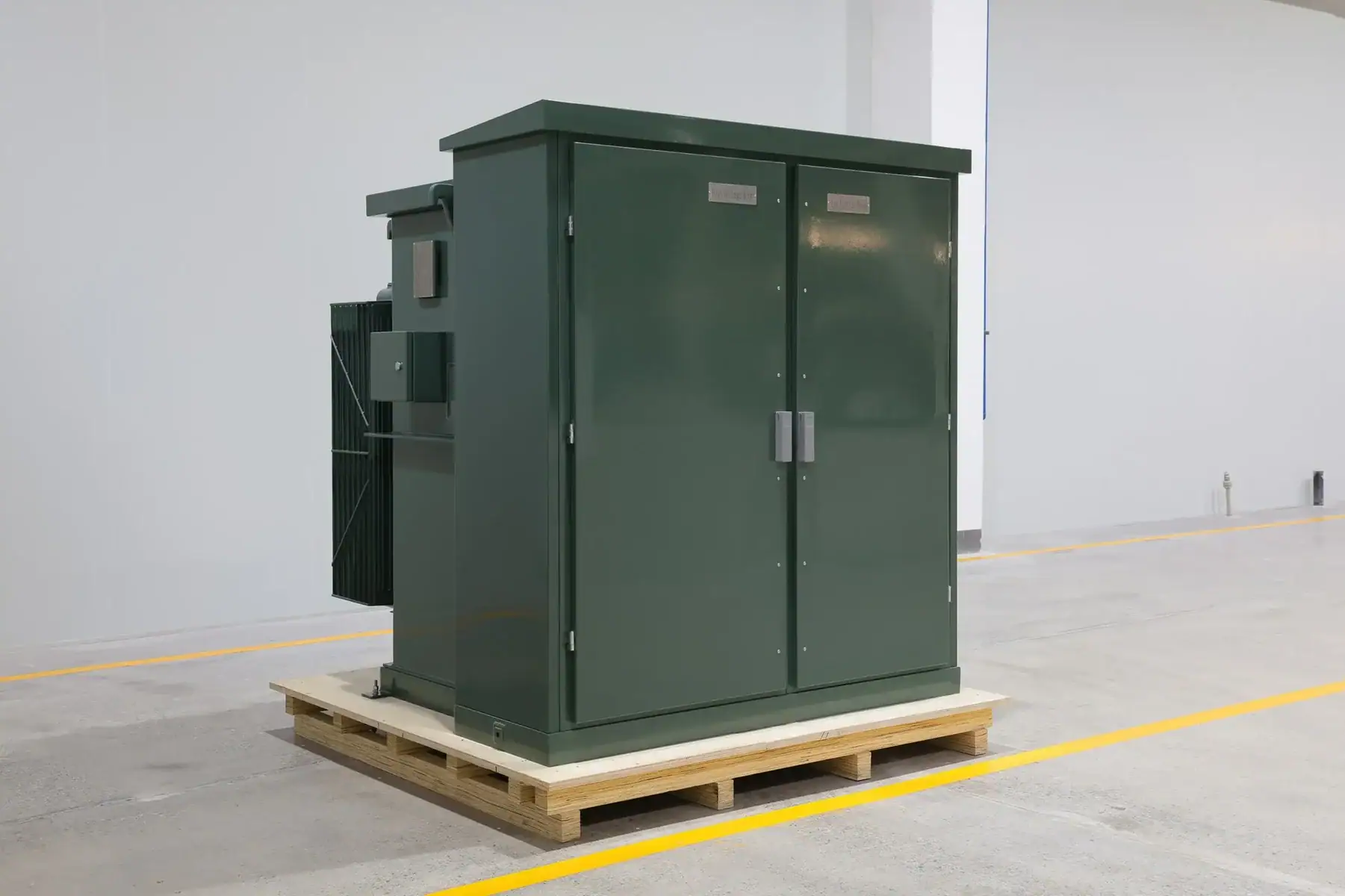
En el ajetreo de las ciudades modernas, la demanda de una distribución de energía fiable y eficiente nunca ha sido mayor. A medida que las zonas urbanas se expanden, las infraestructuras necesarias deben evolucionar a la par. El transformador de pedestal es una solución revolucionaria que está a punto de revolucionar la forma en que se distribuye la electricidad en las ciudades. A diferencia de los transformadores tradicionales, que a menudo se basan en estructuras elevadas y configuraciones difíciles de manejar, estas unidades compactas a nivel del suelo prometen agilizar el suministro de energía al tiempo que reducen el consumo de espacio y el desorden visual en los entornos urbanos.
Imagine una ciudad en la que la distribución eléctrica se integre perfectamente en el tejido urbano, eliminando la necesidad de postes y líneas aéreas antiestéticas. El innovador diseño del transformador montado sobre pedestal no sólo mejora el atractivo estético de los barrios, sino que también aumenta la seguridad y la fiabilidad al minimizar la exposición a riesgos medioambientales. Esta innovadora tecnología está allanando el camino hacia ciudades más inteligentes y sostenibles, en las que la columna vertebral invisible de la electricidad sostiene silenciosamente la vitalidad de la vida moderna. Bienvenido al futuro de la distribución urbana de energía: eficiente, discreta y en constante evolución.

Comprender la función de los transformadores montados sobre pedestal
A medida que las poblaciones metropolitanas siguen creciendo, la demanda de infraestructuras eléctricas adaptables y eficientes se vuelve crítica. En el centro de esta evolución se encuentra el transformador tipo pedestal. A diferencia de los transformadores convencionales, que ocupan un importante espacio aéreo o vertical, un transformador montado sobre pedestal se instala enteramente a nivel del suelo sobre un pedestal de hormigón seguro. Este emplazamiento permite integrarlo fácilmente en urbanizaciones residenciales, distritos comerciales y complejos de uso mixto sin estropear el horizonte ni requerir un extenso cableado aéreo. Al situar los equipos de distribución discretamente a nivel de la calle, los municipios pueden mantener un suministro eléctrico fiable al tiempo que preservan el carácter visual de los barrios.
Más allá de la estética, el papel de los transformadores montados sobre pedestal se extiende a la resistencia del sistema y la flexibilidad de la red. Los ingenieros pueden crear configuraciones de alimentadores en bucle o radiales, lo que permite redirigir rápidamente la energía en caso de averías o actividades de mantenimiento. El diseño encapsulado también protege los componentes críticos de los daños relacionados con la intemperie, reduciendo la frecuencia de las interrupciones del servicio. En entornos densamente edificados, donde los bancos de conductos y las canalizaciones subterráneas son habituales, el despliegue de transformadores montados en pedestal complementa la infraestructura subterránea existente. En la transición de las ciudades hacia las redes inteligentes, estas unidades sirven como nodos fundamentales para supervisar la tensión, la corriente y otros parámetros de rendimiento, lo que facilita la optimización de la red eléctrica en función de los datos.
Ventajas de los transformadores montados sobre pedestal frente a los métodos tradicionales
Una de las principales ventajas de los transformadores montados en pedestal es que ocupan poco espacio. Los transformadores tradicionales montados en poste o en bóveda suelen requerir grandes soportes estructurales o excavaciones profundas, lo que aumenta los costes de construcción y los plazos del proyecto. En cambio, los transformadores montados en pedestal pueden instalarse rápidamente con una obra civil mínima. Su diseño modular estandarizado permite el premontaje en fábrica, lo que se traduce en menos horas de trabajo in situ y menos posibilidades de errores de instalación. Además, al colocar los transformadores a nivel del suelo, el personal de mantenimiento tiene un acceso más seguro y cómodo, eliminando la necesidad de camiones cisterna o procedimientos de acceso a espacios confinados que suelen asociarse a las instalaciones en bóvedas.
Desde el punto de vista operativo, los transformadores montados en pedestal ofrecen características de seguridad y protección mejoradas. Sus carcasas robustas y resistentes a la intemperie suelen estar equipadas con cerraduras a prueba de manipulaciones, alarmas de intrusión y sistemas de protección contra arco eléctrico. De este modo se protege tanto al público como al personal de la empresa del contacto accidental con componentes en tensión. Desde el punto de vista de la fiabilidad, estas unidades suelen incluir cambiadores de tomas bajo carga y funciones de supervisión remota que permiten regular la tensión sin intervención física. De este modo, las empresas eléctricas pueden mantener una calidad óptima de la energía aunque los perfiles de carga cambien a lo largo del día. Por último, la versatilidad de los transformadores montados en pedestal facilita futuras ampliaciones: para aumentar la capacidad basta con intercambiar o poner en paralelo unidades adicionales, en lugar de realizar costosas ampliaciones de las líneas aéreas o reconfiguraciones subterráneas.
Características de diseño y componentes de los transformadores tipo pedestal
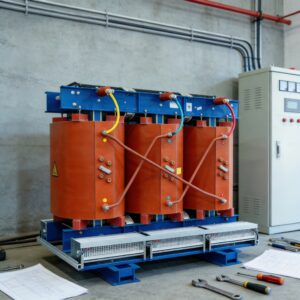
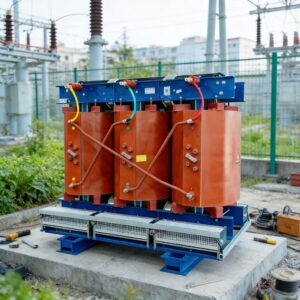
A primera vista, un transformador de montaje en pedestal puede parecer una caja metálica singular, pero en su interior se esconde un conjunto de componentes eléctricos y mecánicos cuidadosamente diseñados. El conjunto de núcleo y bobina suele estar sumergido en aceite aislante mineral o sintético, lo que facilita la disipación del calor y el aislamiento eléctrico. Alrededor de este núcleo hay conexiones de bobinado terciarias que permiten la puesta a tierra y el suministro de neutro. Externamente, los compartimentos de alta y baja tensión están separados por barreras de acero para evitar contactos cruzados accidentales y simplificar el mantenimiento. La propia caja está fabricada en acero resistente a la corrosión con acabados de pintura en polvo, lo que garantiza su longevidad incluso en climas adversos.
Entre las principales características de diseño se incluyen los descargadores de sobretensiones integrados, que protegen contra las sobretensiones transitorias causadas por rayos o eventos de conmutación. Muchos transformadores montados en pedestal también incorporan venteos de liberación de presión para mitigar de forma segura la sobrepresión interna en el improbable caso de que se produzca un fallo interno. Además, algunos modelos ofrecen módulos de monitorización integrados que miden la corriente de carga, la temperatura y la calidad del aceite, transmitiendo datos en tiempo real a los centros de control de las compañías eléctricas. Estos componentes inteligentes transforman un simple transformador en un dispositivo inteligente capaz de realizar diagnósticos predictivos, ayudando a las compañías eléctricas a anticiparse a las necesidades de mantenimiento antes de que se produzcan fallos. En general, la disposición de los componentes y el diseño de la caja convierten al transformador de montaje en pedestal en una solución autónoma y robusta para las redes de distribución modernas.
Pautas de mantenimiento y seguridad para transformadores montados sobre pedestal
El mantenimiento rutinario es esencial para garantizar la longevidad y el funcionamiento seguro de los transformadores montados en pedestal. Los técnicos de campo deben seguir un plan de inspección programado que incluya comprobaciones visuales de fugas, corrosión y daños externos. La toma de muestras de aceite y las pruebas dieléctricas a intervalos regulares ayudan a detectar signos tempranos de degradación o entrada de humedad. También es fundamental inspeccionar juntas, sellos y filtros de ventilación, sustituyendo cualquier componente que muestre desgaste para evitar la entrada de contaminantes en la cámara de aceite. La limpieza es primordial: deben retirarse los residuos y la vegetación alrededor de la plataforma del transformador para mantener una ventilación adecuada y reducir el riesgo de incendio.
Los protocolos de seguridad durante el mantenimiento giran en torno a los procedimientos de bloqueo y etiquetado y a un equipo de protección individual (EPI) adecuado. Antes de abrir cualquier compartimento, los técnicos deben comprobar que tanto las fuentes de alta tensión como las de baja tensión están desconectadas y conectadas a tierra. Deben instalarse varillas de puesta a tierra para purgar la carga residual, y en todo momento debe llevarse ropa y pantallas faciales resistentes al arco eléctrico. En el caso de los transformadores montados en pedestal equipados con alarmas o sensores, el personal de campo debe probar rutinariamente estos sistemas para confirmar su funcionamiento. Seguir estas directrices no sólo protege a los trabajadores, sino que también garantiza un servicio ininterrumpido para los clientes que confían en el transformador montado en pedestal para una distribución de energía segura y fiable.
Conclusiones: Abrazando la era de las ciudades inteligentes y sostenibles
El transformador tipo pedestal representa un avance crucial en la distribución urbana de electricidad, ya que combina la eficiencia con la armonía estética. Al trasladar las infraestructuras críticas al nivel del suelo e incorporar funciones inteligentes, estas unidades contribuyen al crecimiento de redes eléctricas resistentes y basadas en datos.
A medida que las ciudades se esfuerzan por ser más inteligentes y sostenibles, la adopción de transformadores montados sobre pedestal será clave para satisfacer las futuras demandas de energía, preservando al mismo tiempo la calidad de vida urbana. El futuro de la distribución de energía ya está aquí: compacto, fiable y preparado para los retos del mañana.

 English
 Français
 Español
 Deutsch