

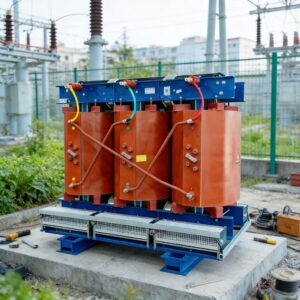
En el complejo mundo de los sistemas de energía eléctrica, los transformadores de distribución se yerguen como centinelas silenciosos, convirtiendo incansablemente la electricidad de alto voltaje a niveles más seguros para el uso diario. Sin embargo, a pesar de su papel crucial en el suministro de energía a nuestros hogares e industrias, la atención a menudo se desvía de estos componentes vitales cuando se habla de infraestructura energética. Lo que muchos tal vez no se dan cuenta es la profunda diferencia que puede marcar un transformador de distribución de calidad, no solo en términos de eficiencia, sino también en la mejora de la fiabilidad general de la red eléctrica. Por lo tanto, elegir al fabricante adecuado se vuelve primordial, una decisión que puede conducir a ahorros sustanciales a largo plazo y suministro de energía ininterrumpido.
Navegar por este panorama técnico puede resultar abrumador, especialmente ante la gran cantidad de fabricantes de transformadores de distribución, cada uno afirmando su superioridad. A medida que la demanda energética mundial sigue aumentando, también lo hace la competencia entre estos fabricantes por innovar y mejorar sus productos. Esta guía definitiva busca simplificar el proceso de selección mediante la evaluación de los principales fabricantes, reconocidos por su compromiso con la calidad y la fiabilidad. Analizando los estándares de la industria, los avances tecnológicos y los indicadores de satisfacción del cliente, descubriremos qué fabricantes merecen realmente su confianza e inversión. Acompáñenos en este recorrido para potenciar su infraestructura con lo mejor del sector.

Comprender la importancia de los transformadores de distribución de calidad
Cuando se trata de suministrar energía a zonas residenciales, comerciales e industriales, los transformadores de distribución desempeñan un papel fundamental en Garantizar una conversión de voltaje segura y fiable. Los transformadores mal diseñados o de baja calidad pueden provocar pérdidas excesivas de energía, fluctuaciones de voltaje e incluso daños en los equipos conectados. Por el contrario, las unidades de alta calidad mantienen niveles de voltaje estables, minimizan la disipación de energía en forma de calor y prolongan la vida útil de los dispositivos conectados. En definitiva, invertir en transformadores de distribución de primera calidad se traduce en una mayor estabilidad de la red, menores costos de mantenimiento y una menor huella de carbono gracias a una mayor eficiencia energética.
Más allá del rendimiento técnico, los transformadores de distribución de calidad también ofrecen importantes beneficios económicos. Tanto las empresas de servicios públicos como los usuarios finales pueden experimentar menores gastos operativos gracias a la reducción del tiempo de inactividad y de las llamadas de emergencia para reparaciones. Además, los transformadores eficientes generan menos ruido y calor, lo que contribuye a un entorno de trabajo más seguro y al cumplimiento de las normativas medioambientales. Al comprender estas ventajas cruciales, las partes interesadas pueden apreciar mejor por qué asociarse con fabricantes de transformadores de distribución de renombre no es solo una decisión técnica, sino una inversión estratégica en la resiliencia a largo plazo de la infraestructura eléctrica.
Normas y certificaciones de la industria en la fabricación de transformadores
La industria de los transformadores se rige por normas y certificaciones rigurosas que garantizan la seguridad, la calidad y la interoperabilidad de los equipos. Organizaciones como la Comisión Electrotécnica Internacional (IEC), Underwriters Laboratories (UL) y el Instituto Nacional Estadounidense de Estándares (ANSI) definen criterios de rendimiento para factores como los niveles de aislamiento, las pérdidas de carga, los límites de ruido y la resistencia ambiental. El cumplimiento de estas normas demuestra el compromiso del fabricante con la entrega de productos capaces de soportar las condiciones de funcionamiento reales.
Además de los estándares globales, muchas autoridades regionales imponen requisitos de cumplimiento locales. Por ejemplo, el mercado norteamericano a menudo exige certificaciones ANSI/IEEE, mientras que los compradores europeos buscan el marcado CE junto con la conformidad IEC. Al evaluar fabricantes de transformadores de distribución, Confirmar su certificación puede ayudar a evitar obstáculos regulatorios, garantizar la interoperabilidad con la infraestructura de red existente y validar que los transformadores cumplen con los objetivos de seguridad y eficiencia. Estas garantías protegen, en última instancia, tanto las inversiones de capital como la integridad de los equipos posteriores.
Los avances tecnológicos impulsan la confiabilidad de los transformadores.
Las innovaciones recientes han mejorado significativamente la durabilidad, la inteligencia operativa y la eficiencia de los transformadores. Los diseños modernos incorporan materiales avanzados como núcleos de acero amorfo, que reducen las pérdidas en el núcleo hasta en un 701% en comparación con el acero al silicio tradicional. Esto conlleva un menor desperdicio de energía y un mejor rendimiento térmico en condiciones de carga continua.
Además, la integración de sistemas de monitorización de estado —con sensores de temperatura, análisis de gases disueltos (DGA) y detección de descargas parciales— permite evaluar en tiempo real el estado de los transformadores. La conectividad del Internet de las Cosas (IoT) posibilita la planificación del mantenimiento predictivo, minimizando las interrupciones no planificadas y optimizando los costes del ciclo de vida. Estos avances tecnológicos están estableciendo nuevos estándares para los fabricantes de transformadores de distribución, reforzando la fiabilidad que exigen las redes energéticas actuales.
Factores clave a considerar al elegir un fabricante de transformadores de distribución
Seleccionar al fabricante adecuado implica equilibrar consideraciones técnicas, económicas y logísticas. Comience por evaluar su trayectoria: ¿cuántas unidades se han desplegado y qué datos de campo existen sobre su rendimiento en diferentes climas y perfiles de carga? Un historial de servicio bien documentado ofrece información sobre la robustez del producto y la capacidad de respuesta del fabricante ante posibles defectos o actualizaciones.
El precio es otro factor crucial, pero no debe ser el único determinante. Un costo inicial bajo puede resultar en mayores gastos totales de propiedad si la eficiencia es baja o si se requieren mantenimientos frecuentes. Revise los términos de la garantía, las redes de soporte posventa y la disponibilidad de repuestos. Considere también las capacidades de I+D del fabricante: quienes invierten fuertemente en innovación tienen más probabilidades de mantenerse al día con los estándares de eficiencia en constante evolución y las tecnologías de monitoreo digital.
Encuestas de satisfacción del cliente: Comentarios sobre la experiencia del usuario y la calidad del servicio.
Las encuestas de satisfacción del cliente permiten conocer el desempeño real y la calidad del soporte que ofrecen los fabricantes de transformadores de distribución. Estas encuestas suelen abarcar los plazos de entrega, la asistencia para la instalación, la claridad de la documentación técnica y la capacidad de respuesta a las solicitudes de servicio. Las altas calificaciones en estas áreas generalmente reflejan procesos organizativos sólidos y un enfoque centrado en el cliente.
Al analizar las opiniones agregadas, los compradores potenciales pueden identificar problemas comunes, como retrasos en la entrega de repuestos o deficiencias en la cobertura del servicio técnico, y compararlos con aspectos positivos como la resolución rápida de problemas o la capacitación in situ. Esta información directa de los usuarios complementa las especificaciones técnicas, lo que permite una evaluación integral de qué fabricantes realmente destacan tanto en la calidad del producto como en la atención al cliente.
Conclusión: Cómo tomar una decisión informada sobre su infraestructura eléctrica.
Elegir entre los principales fabricantes de transformadores de distribución requiere una evaluación minuciosa del rendimiento técnico, el cumplimiento de las normas del sector y la experiencia real de los usuarios. Al priorizar la eficiencia, la fiabilidad y un sólido servicio posventa, podrá proteger su red eléctrica contra fallos inesperados y el aumento de los costes operativos.
En definitiva, la toma de decisiones informada —basada en una investigación rigurosa y en las necesidades de los clientes— dará como resultado una infraestructura resiliente y energéticamente eficiente que satisfaga tanto las demandas actuales como el crecimiento futuro. Invierta con inteligencia y sus transformadores de distribución se convertirán en la columna vertebral de una red eléctrica robusta y confiable.

 English
 Français
 Español
 Deutsch