
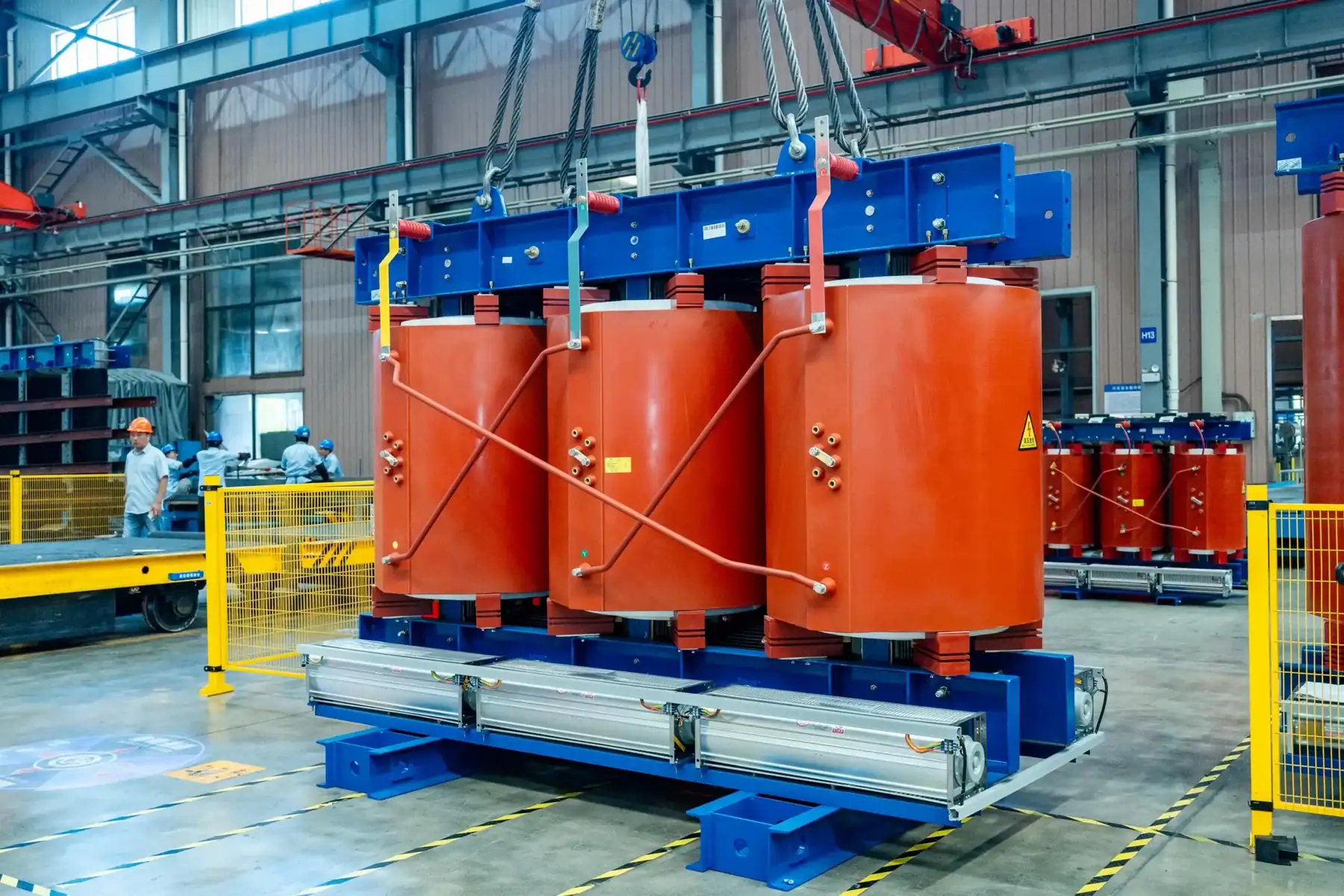
Dans un secteur de la distribution d'énergie en constante évolution, la demande de solutions plus sûres, plus efficaces et plus respectueuses de l'environnement est plus cruciale que jamais. Imaginez un monde où les risques d'incendie liés aux transformateurs sont considérablement réduits et les coûts de maintenance drastiquement diminués. Ce n'est pas un simple rêve futuriste : c'est une réalité rendue possible par les innovations technologiques dans le domaine des transformateurs. Les transformateurs secs à résine coulée révolutionnent ce secteur, offrant une alternative convaincante aux transformateurs traditionnels à bain d'huile. Leur conception robuste élimine le besoin d'huile tout en garantissant une isolation et un refroidissement supérieurs et durables.
Naviguer dans la complexité de la distribution d'électricité peut s'avérer ardu, surtout lorsque des équipements obsolètes nuisent à la performance et à la sécurité. Cependant, l'adoption de transformateurs secs à résine coulée peut être la clé non seulement pour moderniser votre réseau électrique, mais aussi pour le révolutionner. Conçus pour résister aux conditions environnementales les plus extrêmes, ces transformateurs contribuent également à réduire l'empreinte carbone liée à la transformation de l'énergie. Découvrez comment cette technologie de pointe répond aux exigences actuelles des pratiques énergétiques durables et ouvre la voie aux progrès futurs en matière de gestion de l'énergie.

L'évolution de la technologie des transformateurs
L'histoire de la technologie des transformateurs a débuté à la fin du XIXe siècle avec l'apparition des premiers modèles à noyau de fer et refroidissement par huile, qui ont permis la révolution du courant alternatif. Les premiers transformateurs utilisaient l'huile minérale comme isolant, ce qui garantissait une bonne rigidité diélectrique et un refroidissement efficace, mais engendrait des risques importants d'incendie et de dommages environnementaux. Au fil du temps, les ingénieurs ont exploré d'autres matériaux isolants – à base de silicium, enroulements en papier et systèmes à séchage sous vide – afin de réduire ces risques. Cependant, nombre de ces solutions intermédiaires nécessitaient encore une surveillance attentive des fuites et des analyses d'huile périodiques, ce qui complexifiait l'exploitation et engendrait des coûts cachés.
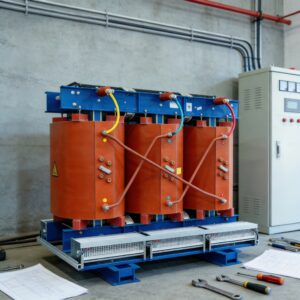
Face à ces défis, les efforts de recherche et développement du milieu du XXe siècle ont abouti à l'introduction d'enroulements entièrement scellés et encapsulés dans de la résine. Les transformateurs secs à résine coulée ont constitué une avancée majeure grâce à l'encapsulation des enroulements en cuivre ou en aluminium dans de la résine époxy, éliminant ainsi l'isolation liquide. Cette innovation a non seulement permis de répondre aux exigences de sécurité et de maintenance, mais a également offert des performances thermiques et une robustesse mécanique accrues. Le transformateur sec à résine coulée actuel intègre des décennies d'améliorations progressives : des formulations de résine optimisées pour des propriétés diélectriques supérieures, des conceptions avancées des canaux de refroidissement pour la dissipation de la chaleur et une construction modulaire pour un assemblage rapide sur site. De ce fait, les transformateurs secs modernes offrent des performances équivalentes à celles des transformateurs traditionnels à bain d'huile, tout en améliorant considérablement la fiabilité, la durabilité et la sécurité dans diverses applications de distribution d'énergie.
Avantages des transformateurs secs en résine coulée
Les transformateurs secs à résine coulée offrent de nombreux avantages par rapport aux transformateurs à bain d'huile, ce qui explique leur popularité croissante dans les secteurs industriel, commercial et de la distribution d'énergie. L'un des principaux atouts réside dans la sécurité accrue. En éliminant l'huile isolante inflammable, ces transformateurs réduisent considérablement les risques d'incendie et de contamination environnementale. Ceci est particulièrement crucial pour les installations intérieures, les immeubles de grande hauteur, les centres de données et autres lieux soumis à des normes de sécurité incendie strictes. De plus, la conception même d'un transformateur sec à résine coulée lui confère une excellente tenue aux courts-circuits, garantissant un fonctionnement stable même en cas de surcharges transitoires.
Les exigences de maintenance des transformateurs encapsulés dans de la résine sont également considérablement réduites. Sans huile à prélever, filtrer ou remplacer, l'entretien courant se limite à des inspections visuelles et des contrôles par imagerie thermique. Les enroulements encapsulés sont intrinsèquement étanches à l'humidité et à la poussière, ce qui améliore la rigidité diélectrique et réduit le risque de défauts par décharge partielle. De plus, ces transformateurs présentent des courants d'appel plus faibles au démarrage, contribuant ainsi à réduire les contraintes sur les réseaux électriques. Conjugués à des intervalles d'entretien plus longs, ces facteurs se traduisent par un coût total de possession inférieur et des temps d'arrêt minimisés – un avantage décisif pour les applications critiques.
Avantages environnementaux
Alors que les pratiques énergétiques durables deviennent une priorité mondiale, les transformateurs secs à résine coulée jouent un rôle essentiel dans la réduction de l'impact écologique. Contrairement aux transformateurs à bain d'huile, qui présentent un risque de fuites et de déversements susceptibles de contaminer les sols et les eaux souterraines, Les unités de type sec utilisent une résine époxy non toxique. Cela élimine le besoin de systèmes de confinement du pétrole et de mesures environnementales coûteuses. De plus, la résine elle-même peut être formulée à partir de composants recyclables, conformément aux principes de l'économie circulaire.
L'efficacité énergétique est un autre avantage environnemental. Des formulations époxy de haute qualité et des conceptions de bobines optimisées réduisent les pertes dans le noyau et les enroulements, améliorant ainsi le rendement global du transformateur. Des pertes réduites se traduisent par une réduction des coûts. consommation d'énergie et réduction des émissions de gaz à effet de serre Tout au long du cycle de vie du transformateur, les solutions de transformateurs à sec en résine coulée, grâce à leur fonctionnement sans fuite et à leur rendement supérieur, contribuent aux objectifs de développement durable des entreprises et aident les services publics à se conformer aux réglementations environnementales de plus en plus strictes.
Durabilité et longévité
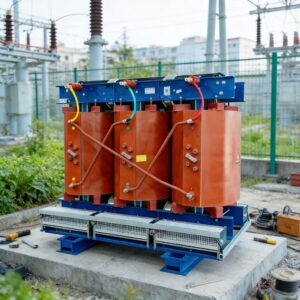
En matière de performances durables, les transformateurs à sec en résine coulée excellent dans les environnements difficiles. Leurs enroulements encapsulés dans de l'époxy sont naturellement résistants à l'humidité, à la poussière et aux agents corrosifs, causes fréquentes de dégradation des transformateurs traditionnels. Leur construction robuste leur permet également de résister aux contraintes mécaniques dues aux vibrations et aux séismes, ce qui les rend parfaitement adaptés aux installations dans les usines, les plateformes offshore et les sous-stations isolées.
De plus, la stabilité thermique des systèmes à résine de pointe garantit un fonctionnement constant sur une large plage de températures. Contrairement aux transformateurs à bain d'huile qui nécessitent des conservateurs et une surveillance de la température pour éviter la surchauffe, les transformateurs encapsulés dans de la résine fonctionnent de manière fiable à des températures ambiantes plus élevées sans compromettre l'intégrité de l'isolation. Correctement installé et soumis à des inspections régulières, un transformateur sec à résine coulée peut offrir 30 ans, voire plus, de service sans problème, garantissant un excellent retour sur investissement et une totale tranquillité d'esprit aux propriétaires d'installations.
Considérations relatives à l'installation et à l'entretien
L'installation d'un transformateur sec à résine coulée est généralement plus simple que celle d'un transformateur immergé dans l'huile, grâce à sa conception compacte et à l'absence de besoin de confinement d'huile. Ces transformateurs peuvent souvent être installés plus près de la charge, réduisant ainsi la longueur des câbles et les pertes en ligne. Des modèles sur socle pour une utilisation intérieure ou extérieure sont disponibles, avec des indices de protection NEMA et IP adaptés à diverses conditions climatiques. Il est essentiel de respecter les spécifications de ventilation et d'espacement pour assurer une dissipation thermique optimale.
Les opérations de maintenance sont simplifiées et se limitent à des inspections visuelles périodiques, des contrôles thermiques et le resserrage des connexions électriques. L'absence d'huile élimine le besoin de prélèvements d'échantillons de fluides, de filtration ou de tests diélectriques, réduisant ainsi les coûts de main-d'œuvre et d'équipements spécialisés. En cas de panne, la conception modulaire permet le remplacement de phases ou d'enroulements individuels sans avoir à remplacer l'ensemble de l'unité. Ces facteurs contribuent à réduire les coûts du cycle de vie et les temps d'arrêt, justifiant ainsi la modernisation des réseaux électriques grâce à l'adoption de la technologie des transformateurs secs à résine coulée.
Conclusion : Embrasser l'avenir de la distribution d'énergie
Les transformateurs secs à résine coulée représentent une avancée majeure dans la distribution d'énergie, alliant sécurité, efficacité et respect de l'environnement. En éliminant les risques liés au pétrole et les contraintes de maintenance, ils offrent une solution fiable pour une vaste gamme d'installations, des centres de données urbains aux sites industriels isolés.
Alors que les entreprises et les fournisseurs d'énergie s'efforcent d'atteindre leurs objectifs de développement durable et de renforcer la résilience du réseau, l'adoption de la technologie des transformateurs secs à résine coulée représente un choix stratégique rentable en termes de performance, de réduction des coûts et de conformité réglementaire. Adoptez cette innovation dès aujourd'hui et contribuez à un avenir plus sûr et plus écologique pour votre réseau électrique.

 English
 Français
 Español
 Deutsch