
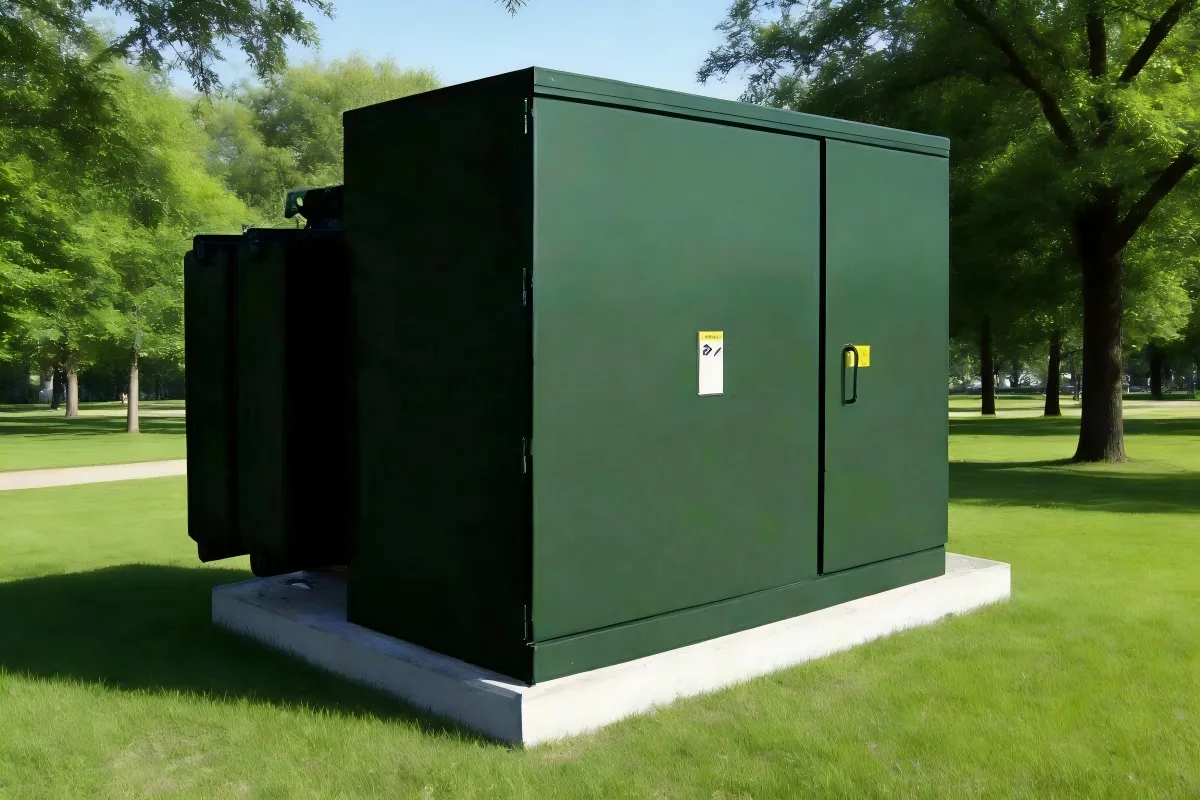
Dans le monde en constante évolution du génie électrique, le transformateur électrique se dresse comme une centrale électrique silencieuse, assurant notre confort moderne avec une efficacité remarquable. Pourtant, derrière cet appareil d'apparence simple se cache une fascinante diversité de transformateurs, chacun conçu pour répondre à des besoins spécifiques. Qu'il s'agisse d'alimenter une grande usine ou de garantir une alimentation électrique continue à domicile, comprendre ces différents types de transformateurs est essentiel pour apprécier leur rôle crucial dans notre quotidien.
Imaginez un monde sans le bourdonnement de transformateurs convertissant l'électricité à haute tension Si l'énergie était transformée en énergie utilisable pour les foyers et les entreprises, le monde serait radicalement différent : il serait dépourvu de la danse complexe des électrons qui illumine nos nuits et alimente nos industries. En explorant plus en profondeur le fonctionnement spécifique de chaque transformateur, vous comprendrez mieux comment l'énergie se transforme de sa forme brute en cette puissance fiable et raffinée dont nous dépendons au quotidien. Préparez-vous à découvrir l'univers fascinant des transformateurs électriques et à comprendre comment ils façonnent le monde qui nous entoure.
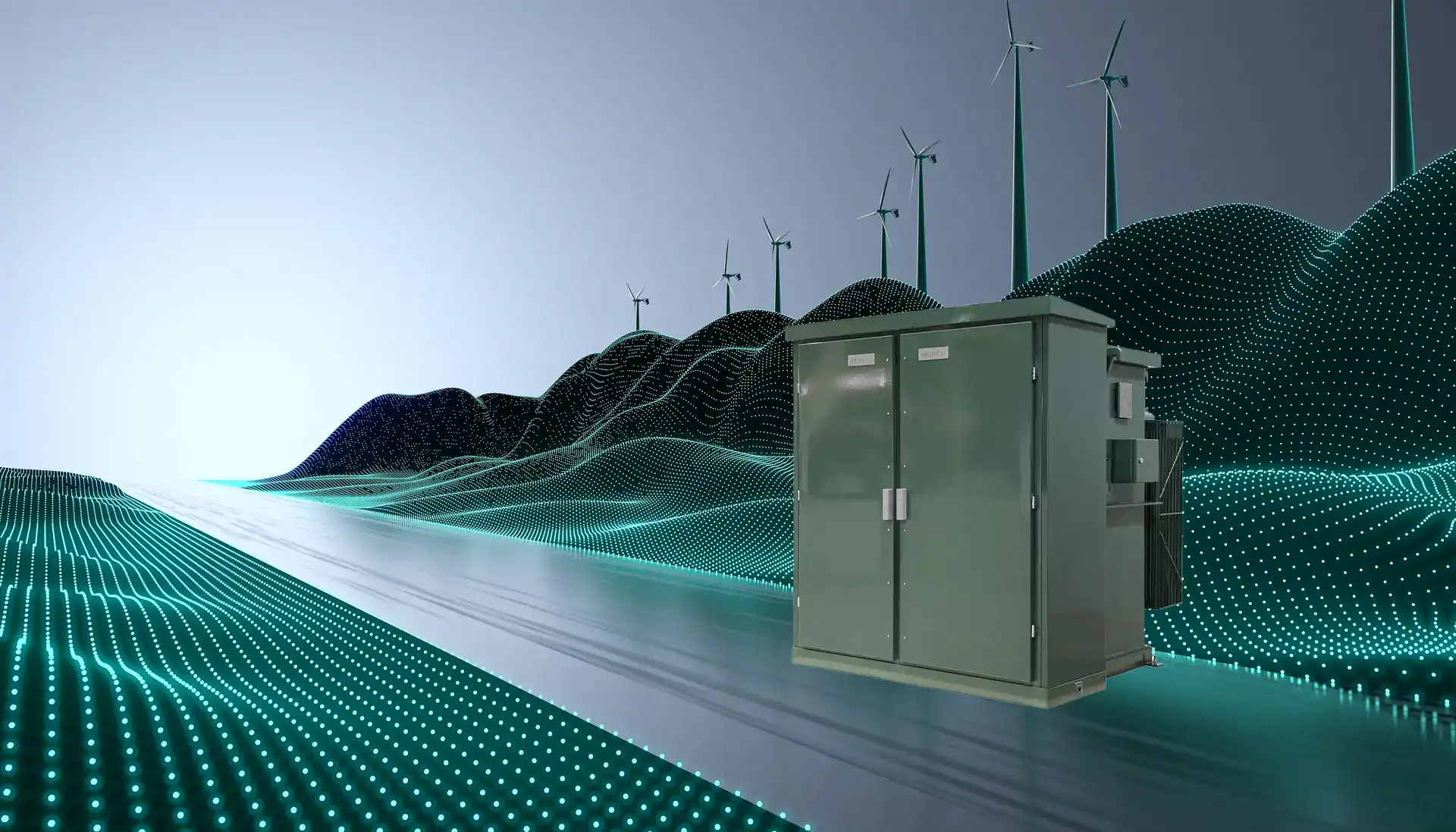
Transformateurs de puissance : Permettent la transmission sur de longues distances
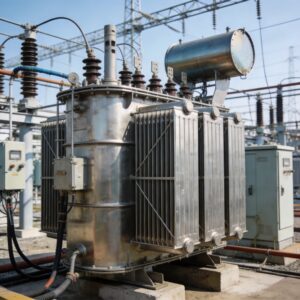
Les transformateurs de puissance sont les piliers du réseau électrique., Conçus pour élever ou abaisser les niveaux de tension afin d'assurer un transport efficace de l'énergie électrique sur de longues distances, les transformateurs de puissance constituent l'un des principaux types de transformateurs électriques. Fonctionnant à très haute tension (généralement de 69 kV à 765 kV), ils minimisent les pertes par effet Joule (I²R) qui surviennent lors du passage de courants importants dans les conducteurs. En augmentant la tension aux points de production et en la diminuant aux postes de distribution, les transformateurs de puissance garantissent un transport de l'énergie avec des pertes minimales, des centrales électriques aux centres urbains et aux sites industriels isolés.
Construits avec des noyaux magnétiques robustes et des enroulements de haute qualité, ces transformateurs utilisent souvent des conceptions à bain d'huile ou à isolation gazeuse pour gérer la chaleur et garantir un fonctionnement fiable sous fortes charges. L'huile agit à la fois comme fluide de refroidissement et comme isolant, dissipant la chaleur générée par les pertes dans le cuivre et le noyau. Des mécanismes de changement de prises avancés permettent aux gestionnaires de réseau d'ajuster les rapports de tension en temps réel, assurant ainsi la stabilité du réseau face aux fluctuations de la demande. Qu'ils soient installés dans des postes extérieurs ou intégrés dans des chambres souterraines, les transformateurs de puissance sont au cœur de nos réseaux de transport d'électricité, permettant silencieusement la circulation de l'électricité à travers les continents.
Transformateurs de distribution : l’électricité jusqu’à nos foyers
Transformateurs de distribution Ils jouent un rôle crucial dans la dernière étape du processus de distribution d'électricité. Élément essentiel parmi les transformateurs électriques, ils abaissent la tension des sous-stations (généralement entre 4 kV et 35 kV) aux tensions de service standard utilisées dans les applications résidentielles, commerciales et industrielles légères, couramment 120/240 V. Stratégiquement placés sur les poteaux, dans des armoires sur socle ou dans des chambres souterraines, ils assurent la liaison entre les lignes de transport à haute tension et les prises de courant de nos habitations et entreprises.
Outre la conversion de tension, les transformateurs de distribution sont conçus pour offrir fiabilité, efficacité et un entretien minimal. Leurs noyaux sont souvent constitués de tôles d'acier au silicium afin de réduire les pertes, tandis que leurs enroulements peuvent utiliser des conducteurs en cuivre ou en aluminium. optimisé pour le coût et la performance. Les transformateurs modernes intègrent des matériaux silencieux et des fluides isolants écologiques afin de limiter leur impact environnemental et de répondre aux préoccupations des riverains. Grâce à des fonctionnalités telles que les changeurs de prises en charge et la surveillance de la température, ils s'adaptent aux variations de charge, garantissant ainsi une tension constante. Des quartiers résidentiels aux rues animées des villes, les transformateurs de distribution contribuent discrètement à notre quotidien.
Transformateurs d'isolement : garantir la sécurité des systèmes électriques
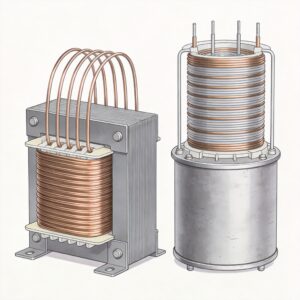
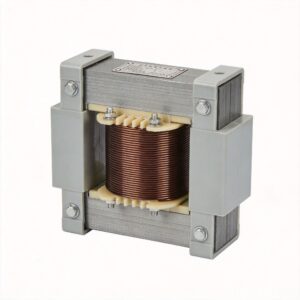
Les transformateurs d'isolement se distinguent des autres types de transformateurs électriques par l'isolation galvanique qu'ils assurent entre les circuits d'entrée et de sortie. Ils sont constitués de deux enroulements distincts, primaire et secondaire, bobinés sur un noyau commun mais sans connexion électrique directe. Cette isolation empêche la propagation des parasites, des surtensions et des boucles de masse à travers les équipements sensibles, ce qui les rend indispensables dans les applications médicales, industrielles et d'instrumentation.
En isolant les équipements des lignes d'alimentation, ces transformateurs améliorent la sécurité d'exploitation et protègent les utilisateurs contre les chocs électriques. Ils filtrent également les interférences électromagnétiques (IEM) et radioélectriques (IRF), garantissant ainsi une alimentation électrique propre pour l'électronique de précision dans les laboratoires, les centres de données et les systèmes de communication. Qu'ils soient logés dans des boîtiers de table compacts ou intégrés à de grands panneaux industriels, les transformateurs d'isolement assurent la sécurité et l'intégrité du signal là où elles sont les plus critiques.
Transformateurs de courant : essentiels pour la mesure et la protection par relais
Les transformateurs de courant (TC) sont des transformateurs électriques spécialisés, principalement utilisés pour la mesure et la protection. Ils produisent une réplique précise et réduite du courant primaire, permettant ainsi un comptage précis et le pilotage de relais de protection sans exposer les instruments à des courants élevés dangereux. Un TC se compose généralement d'un noyau magnétique entourant un conducteur primaire et d'un enroulement secondaire conçu pour transporter une fraction du courant primaire.
Avec des classes de précision adaptées au comptage (classes 0,1 à 0,5) et à la protection (classes 5P à 10P), les transformateurs de courant doivent maintenir une linéarité sur une large plage de courants et supporter les courants de défaut sans saturation. Leur conception intègre souvent des charges et des valeurs thermiques précises afin de garantir leur fiabilité en cas de défaut. Présents dans les appareillages de commutation, les tableaux de commande et les installations de comptage, les transformateurs de courant jouent un rôle essentiel dans la protection des équipements et la précision de la facturation sur les réseaux électriques.
Maintenance des transformateurs : garantir leur longévité et leurs performances
Un entretien régulier est essentiel à la santé et à la longévité de tous les types de transformateurs électriques. Les inspections et les tests programmés, tels que l'analyse des gaz dissous (AGD) pour les transformateurs à bain d'huile, le contrôle du facteur de puissance pour vérifier l'intégrité de l'isolation et l'imagerie thermique pour détecter les points chauds, permettent d'identifier les problèmes potentiels avant qu'ils ne provoquent des pannes. Les traversées, les joints et les mécanismes de changement de prises nécessitent une lubrification, un nettoyage et un contrôle du couple de serrage pour rester en parfait état.
La maintenance préventive comprend également la surveillance des profils de charge et des conditions ambiantes, afin de garantir que les transformateurs électriques ne soient ni surchargés ni exposés à des températures ou à une humidité extrêmes. Pour les transformateurs de distribution et de puissance, la filtration de l'huile et le remplacement des fluides isolants prolongent leur durée de vie, tandis que les inspections périodiques du noyau préviennent les dommages mécaniques et le desserrage des tôles. En investissant dans un programme de maintenance complet, les gestionnaires d'entreprises de services publics et d'installations peuvent minimiser les temps d'arrêt, réduire les coûts de réparation et maintenir un rendement élevé pour l'ensemble de leurs transformateurs.
Conclusion : Apprécier les divers rôles des transformateurs électriques
Les différents types de transformateurs électriques — des unités de puissance et de distribution aux transformateurs d'isolement et de courant — forment un réseau interconnecté qui alimente la vie moderne. Chaque type remplit une fonction spécifique : transporter l'électricité sur de longues distances, abaisser la tension pour les utilisateurs finaux, isoler les équipements sensibles ou permettre une mesure précise du courant.
En comprenant les fonctions spécifiques et les besoins de maintenance de ces transformateurs, les ingénieurs et les opérateurs peuvent garantir une alimentation électrique sûre, efficace et fiable. La prochaine fois que vous allumerez une lumière ou que vous utiliserez des processus industriels critiques, prenez un instant pour apprécier ces héros méconnus qui œuvrent discrètement en coulisses.


 English
 Français
 Español
 Deutsch