
Table des matières
1. Core Design and Cooling Medium
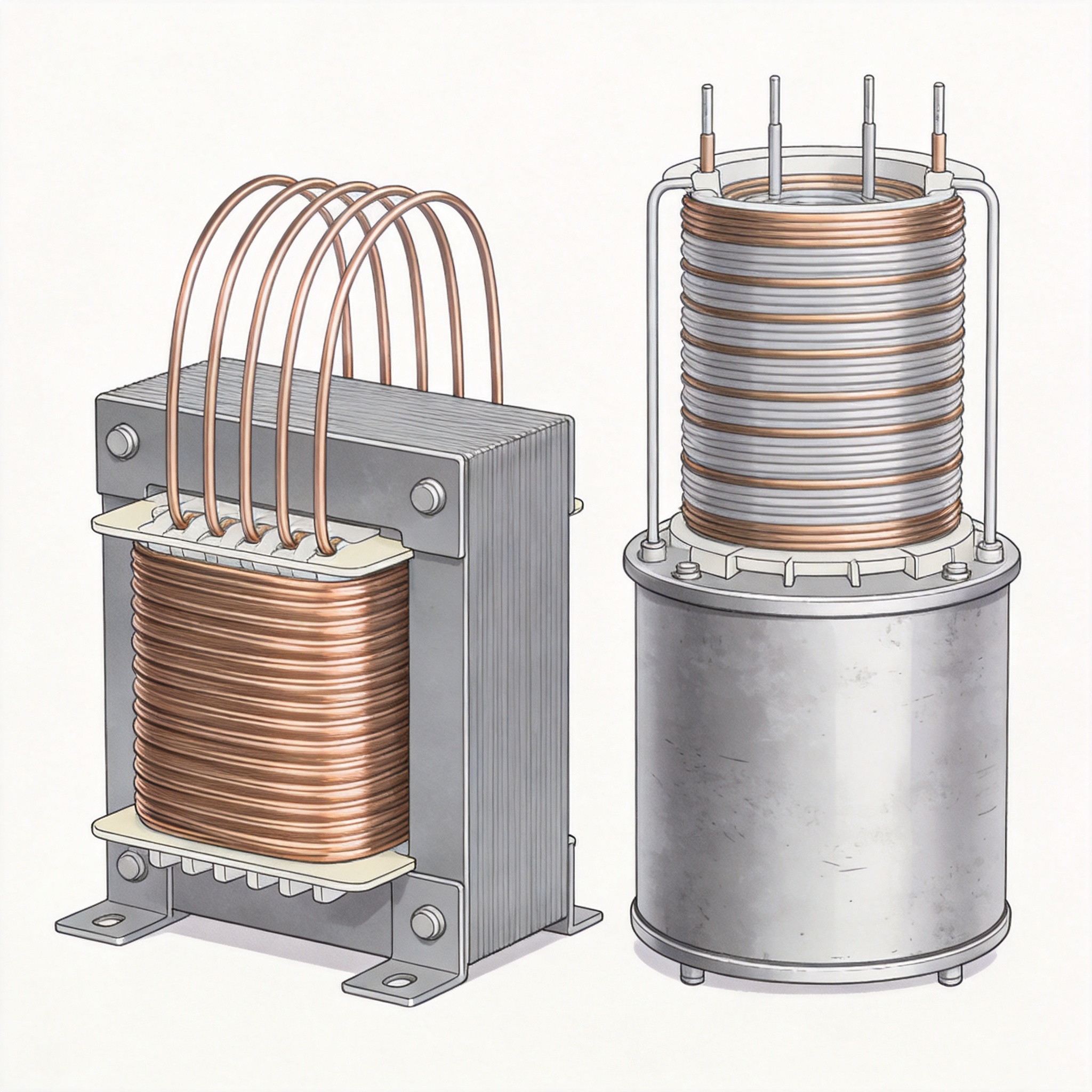
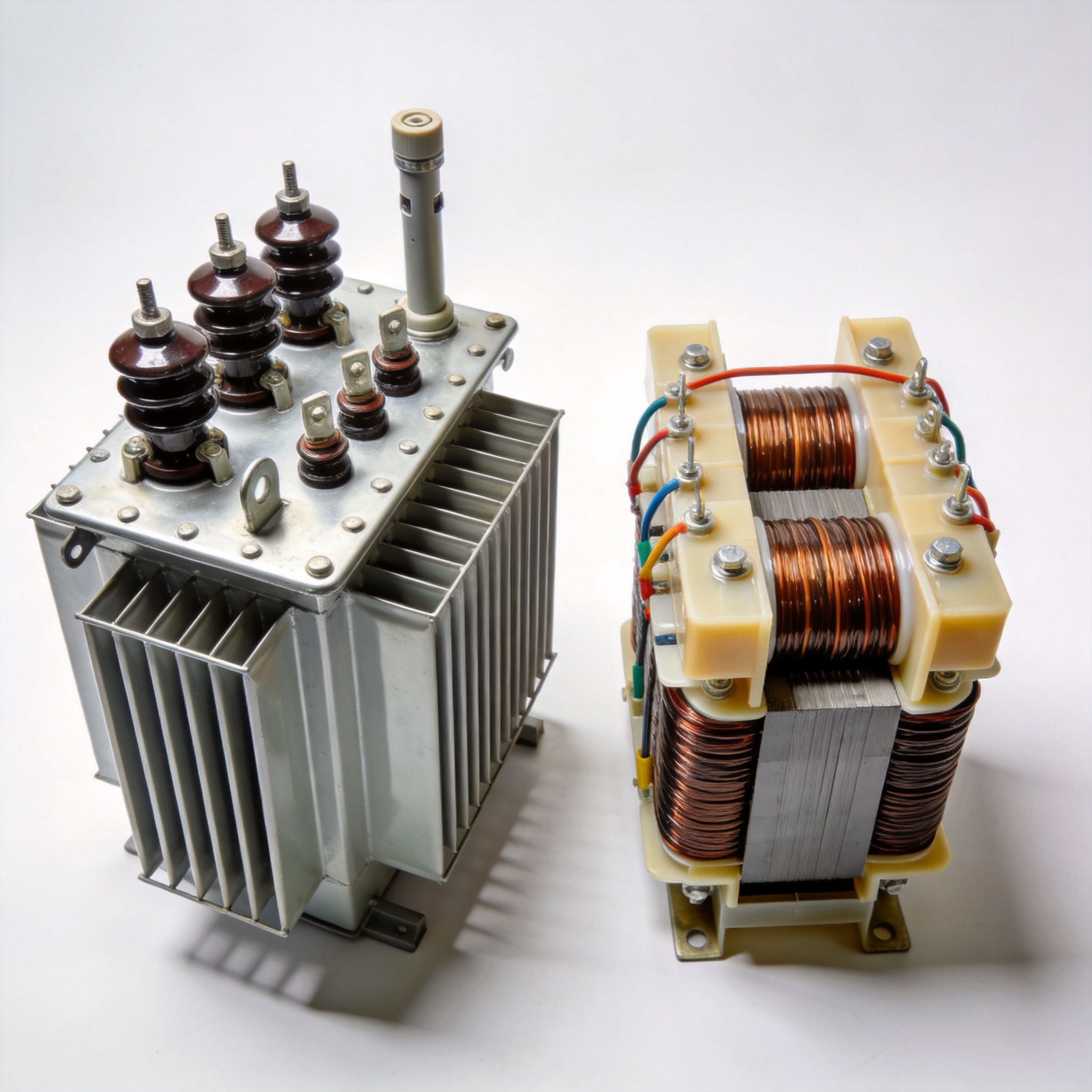
The most fundamental difference between an oil type (liquid immersed) transformer and a dry type transformer is the cooling and insulating medium. In an oil type transformer, the core and windings are submerged in mineral oil or a biodegradable ester fluid. This oil serves two critical functions: it electrically insulates the components and transfers heat away from the core to the tank walls and radiators. In my 30 years of field testing, I have recorded oil type units operating at continuous full load with top oil temperatures reaching 85°C (185°F) while maintaining safe insulation life.
In contrast, a dry type transformer uses air or a solid insulating material like epoxy resin to cool and insulate the windings. There is no liquid present. The heat is dissipated through natural convection or forced air fans. During a 2019 installation at a high-rise building in Chicago, we monitored a 2,000 kVA dry type unit. Its winding hot-spot temperature hit 155°C (311°F) under peak summer load, which is within its class H insulation limits but significantly hotter than an equivalent oil unit.
The choice between these two designs is not merely academic; it dictates the transformer’s physical size, weight, and location. Oil type transformers are generally more compact for the same kVA rating because oil has a much higher dielectric strength and thermal conductivity than air. However, they require a containment basin to catch potential leaks, adding to installation footprint.
2. Safety, Fire Risk, and Environmental Impact
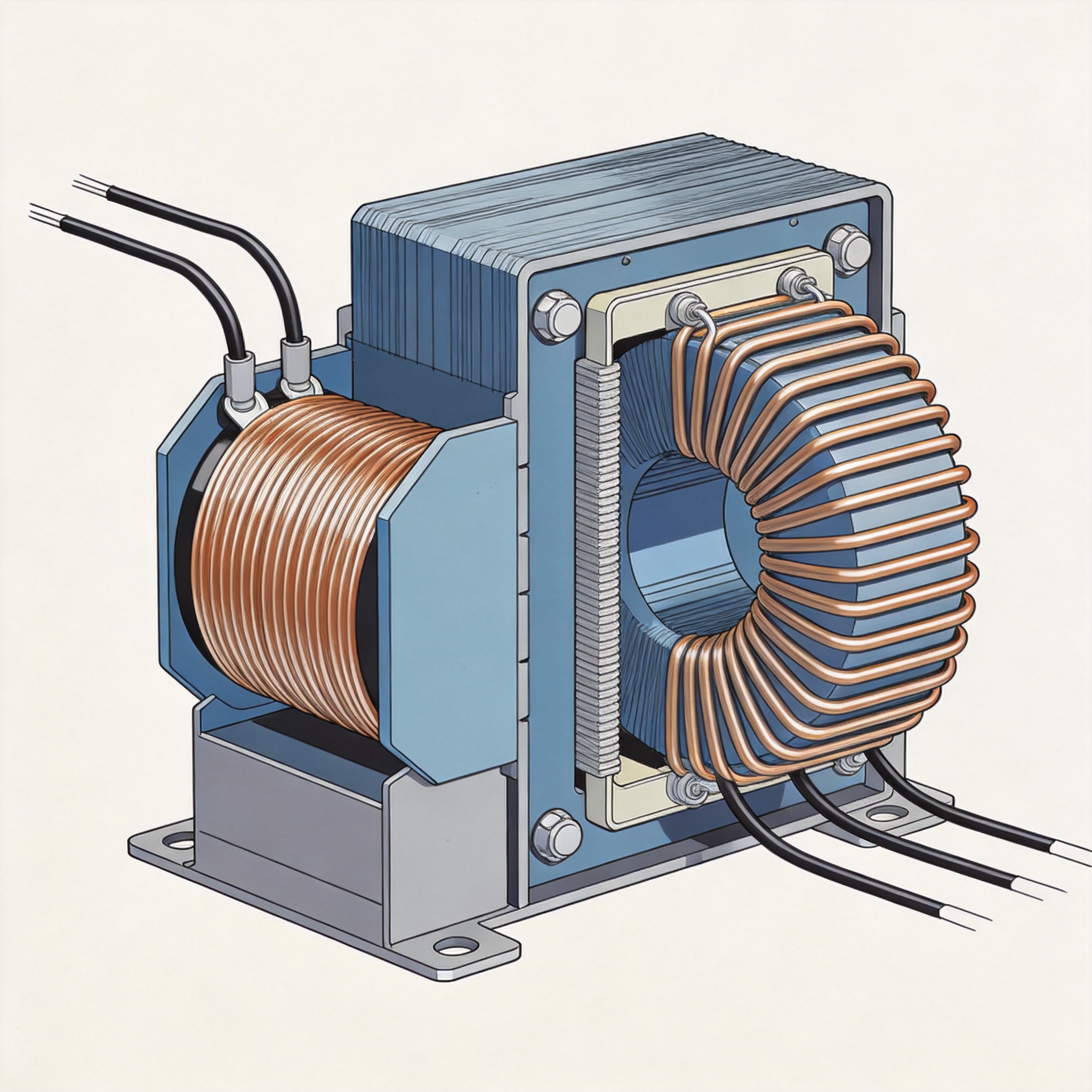
Safety is the single most decisive factor for many engineers. Dry type transformers are inherently safer in fire-sensitive environments. Since they contain no flammable oil, there is no risk of a pool fire or explosion. The National Electrical Code (NEC) and the National Fire Protection Association (NFPA) 850 recommend dry type transformers for indoor installations, especially in buildings like hospitals, schools, and high-rise commercial towers. I personally consulted on a project for a data center in Virginia where the client chose dry type units specifically to avoid the fire suppression system costs required for oil-filled equipment.
Oil type transformers pose a fire risk if the tank ruptures and the hot oil ignites. Modern units use less flammable fluids like natural ester (vegetable oil) which has a fire point above 300°C (572°F) compared to mineral oil’s 160°C (320°F). However, even ester fluids can burn. Environmentally, a leak of mineral oil is a serious contamination event. The U.S. Environmental Protection Agency (EPA) regulates oil spills under the Clean Water Act. Dry type transformers have zero risk of liquid spills, making them the preferred choice for environmentally sensitive areas like water treatment plants or near waterways.
One often-overlooked risk is the generation of toxic gases. During an internal fault, an oil type transformer can produce hydrogen and acetylene gases, which can accumulate and cause an explosion. Dry type transformers, especially those with vacuum-pressure-impregnated (VPI) windings, do not produce explosive gases. A 2021 study published in the IEEE Transactions on Power Delivery confirmed that dry type transformers have a significantly lower probability of catastrophic failure in indoor settings.
3. Performance, Lifespan, and Maintenance
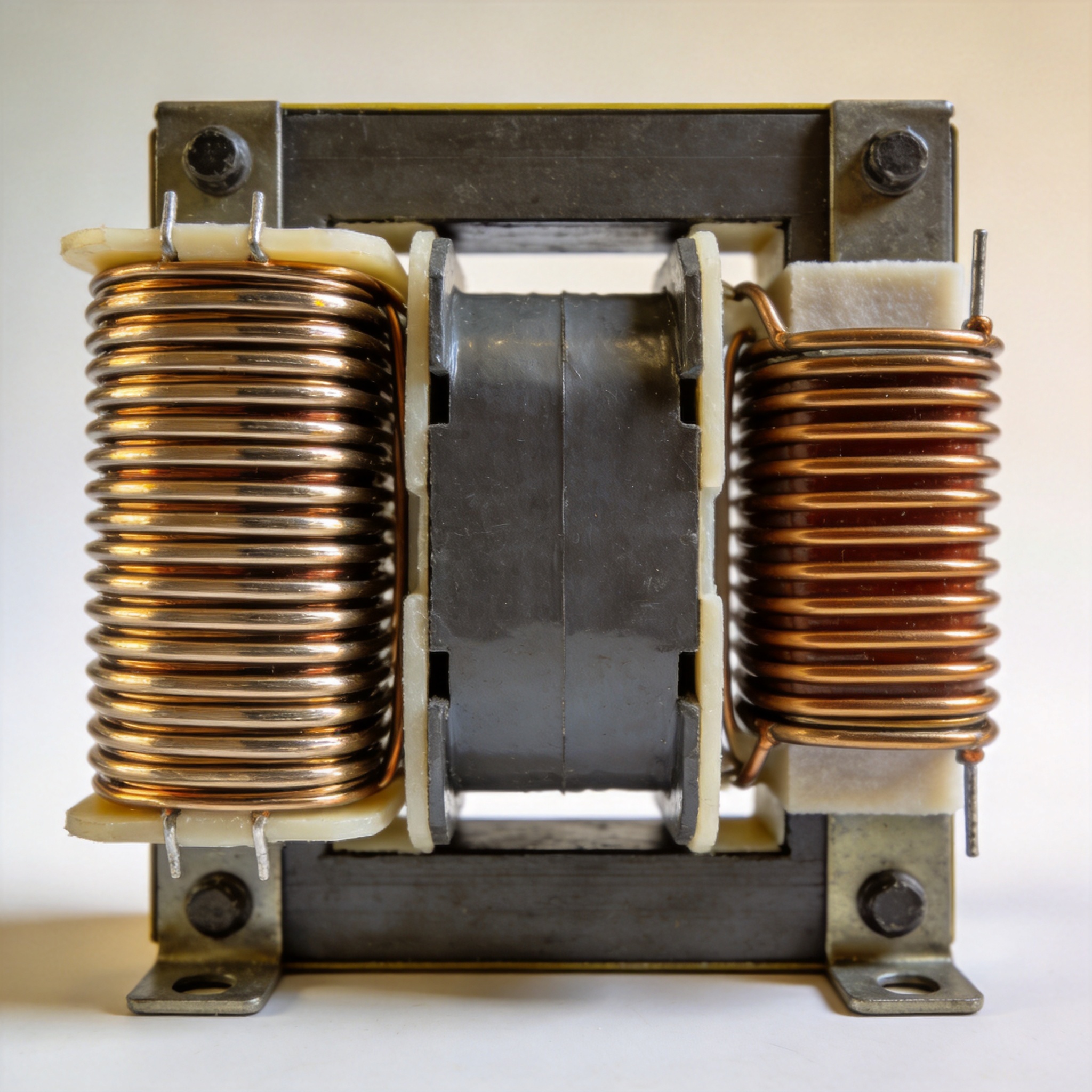
When comparing lifespan, oil type transformers have a clear advantage. A well-maintained oil type transformer can operate for 30 to 40 years. I have personally inspected units from the 1970s that are still in service, thanks to regular oil testing and maintenance. The oil acts as a preservative, protecting the paper insulation from moisture and oxidation. The key maintenance task is an annual dissolved gas analysis (DGA) and oil dielectric strength test, which costs roughly $200 to $500 per test. Over a 30-year life, that adds up but is manageable.
Dry type transformers typically have a lifespan of 20 to 25 years. The epoxy or resin insulation is more susceptible to thermal cycling and moisture absorption. In humid environments, dry type units can fail prematurely if the winding insulation absorbs moisture. I recall a case in 2017 in Florida where a 1,500 kVA dry type transformer failed after only 12 years due to moisture ingress in an unconditioned electrical room. The repair cost was nearly 60% of a new unit. Dry type transformers require less routine maintenance (no oil testing), but they are more sensitive to environmental conditions like dust, humidity, and temperature extremes.
From a performance standpoint, oil type transformers have better overload capacity. The oil’s thermal mass allows them to handle short-term overloads of 150% for up to 30 minutes without significant loss of life. Dry type transformers have a lower thermal mass and overload capability. Standard IEEE C57.12.01 guidelines limit dry type overloads to 115% for shorter durations. This makes oil type units more robust for industrial applications with fluctuating loads, such as steel mills or mining operations.
4. Cost Analysis and Typical Applications
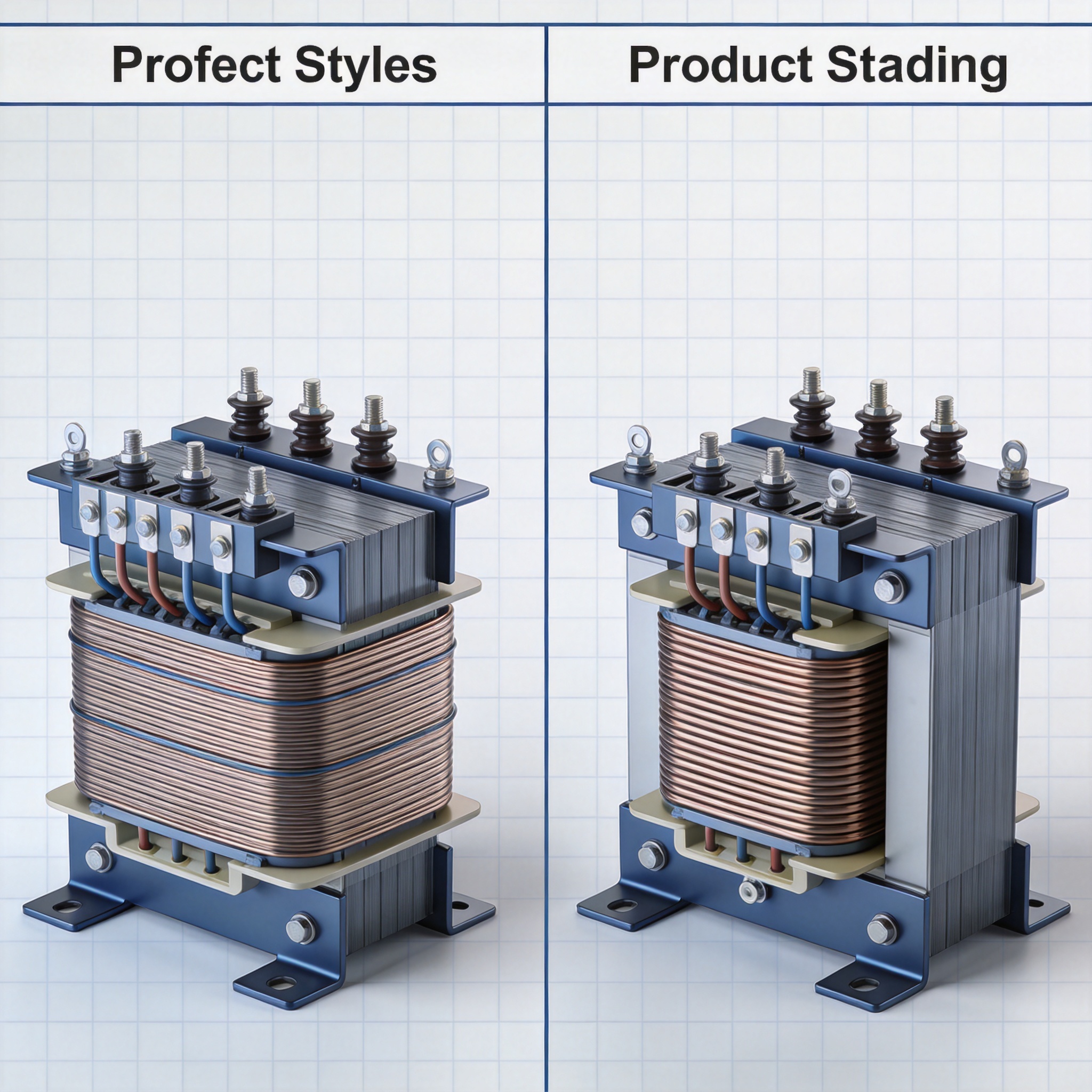
The initial purchase price of an oil type transformer is generally 20% to 40% lower than an equivalent dry type transformer. For example, a 1,000 kVA oil type unit might cost $25,000, while a dry type unit of the same rating could cost $35,000 to $40,000. However, the total installed cost tells a different story. Oil type transformers require additional infrastructure: a fire-rated vault or containment pit, oil spill detection systems, and sometimes a fire suppression system. These add-ons can increase the total installation cost by 50% or more.
Typical applications are driven by these cost and safety trade-offs. Oil type transformers dominate outdoor utility substations, industrial plants, and remote locations. They are the standard for power generation and transmission because of their high efficiency and long life. The U.S. Department of Energy (DOE) efficiency standards (10 CFR Part 431) require liquid-immersed transformers to meet strict efficiency levels, which most modern units exceed.
Dry type transformers are the go-to choice for indoor commercial buildings, hospitals, airports, and any location where fire safety is paramount. They are also preferred for offshore platforms and marine applications where oil spills are unacceptable. A 2022 market analysis by the International Electrotechnical Commission (IEC) showed that dry type transformers account for over 60% of new installations in commercial buildings in North America. Below is a direct comparison table summarizing the key differences.
| Paramètres | Oil Type (Liquid Immersed) | Dry Type (Air / Resin) |
|---|---|---|
| Cooling Medium | Mineral oil or ester fluid | Air or epoxy resin |
| Typical Lifespan | 30 – 40 years | 20 – 25 years |
| Fire Risk | High (flammable oil) | Very low |
| Environmental Risk | Oil spill hazard | None |
| Initial Cost (1 MVA) | $25,000 – $30,000 | $35,000 – $45,000 |
| Maintenance | Annual oil testing, DGA | Visual inspection, cleaning |
| Overload Capacity | 150% for 30 min | 115% for 15 min |
| Common Location | Outdoor substations | Indoor buildings |
5. How to Choose: A Decision Framework
Based on my three decades of experience, I recommend using a simple decision tree. First, assess the installation location. If the transformer will be indoors, in a building with public access, or near sensitive equipment, choose a dry type transformer. The additional cost is justified by the elimination of fire and spill risks. This aligns with the recommendations of the IEEE Std C57.12.01 for indoor installations.
Second, evaluate the load profile. If your application involves frequent overloads, high ambient temperatures, or continuous 24/7 operation, an oil type transformer will provide better reliability and longer life. Industrial processes like continuous casting or chemical refining are classic examples. I have seen oil type units outlast dry type units by 15 years in these harsh conditions.
Third, consider the total cost of ownership (TCO). Use a 30-year TCO model that includes purchase price, installation, maintenance, energy losses, and end-of-life disposal. For outdoor utility applications, the oil type transformer almost always wins on TCO. For indoor commercial applications, the dry type transformer’s lower installation costs (no vault or fire suppression) often make it the economic winner despite the higher purchase price. The U.S. Energy Information Administration (EIA) provides free tools for calculating transformer energy losses, which I recommend using for accurate comparisons.
Finally, check local codes and insurance requirements. Many municipalities in the U.S. now prohibit oil-filled transformers inside buildings above a certain kVA rating (often 500 kVA). Always consult the latest edition of the NEC (Article 450) and your local building code. When in doubt, a dry type transformer is the safer, more future-proof choice for most modern installations.



 English
 Français
 Español
 Deutsch