
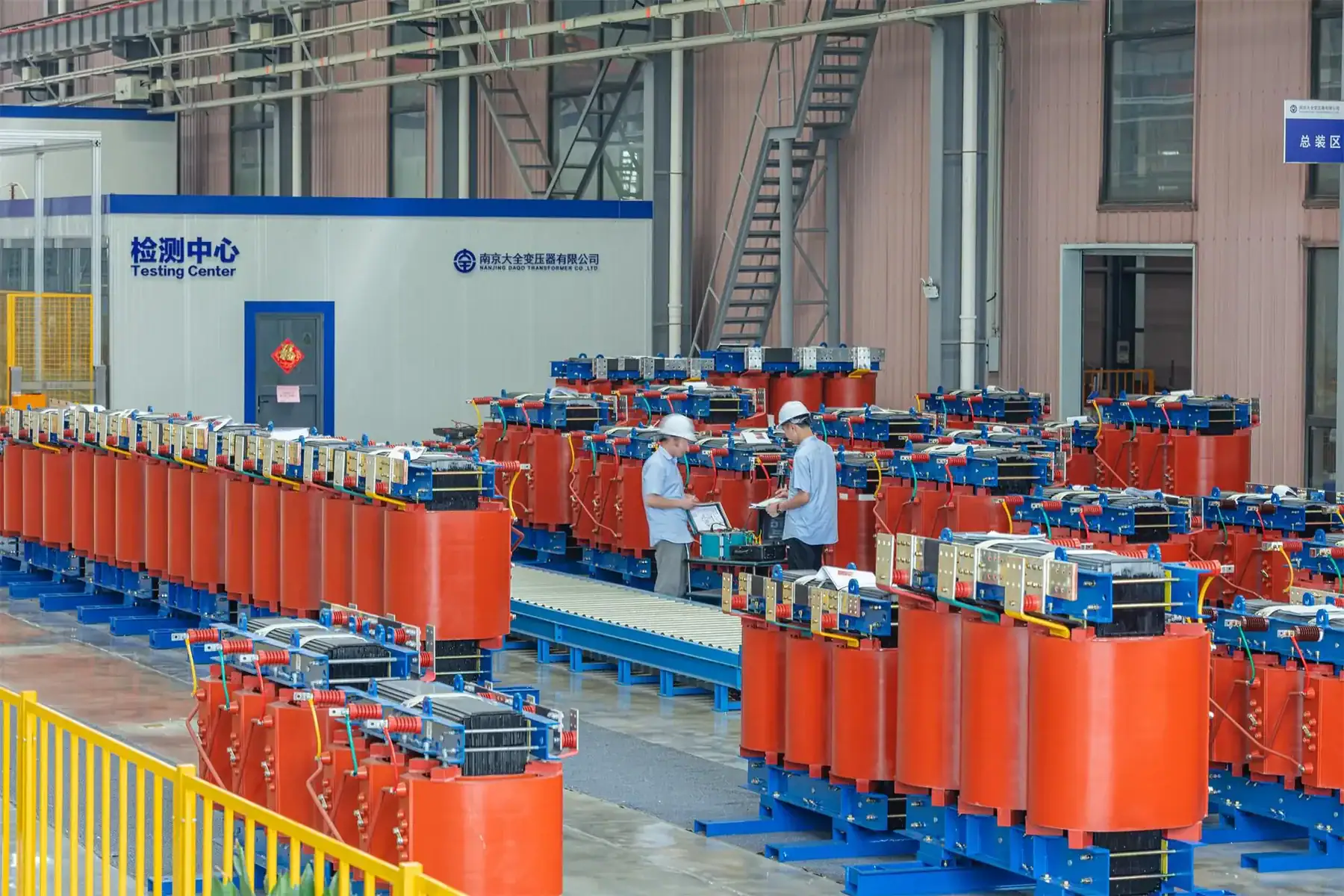
Dans le domaine du génie électrique, les transformateurs jouent un rôle crucial dans la distribution de l'énergie. Parmi les différents types de transformateurs, les transformateurs secs se distinguent par leur sécurité et leur efficacité. Cet article vous présentera les principes de base des transformateurs secs, en explorant leur conception, leurs composants et en expliquant pourquoi ils sont privilégiés dans de nombreuses applications.

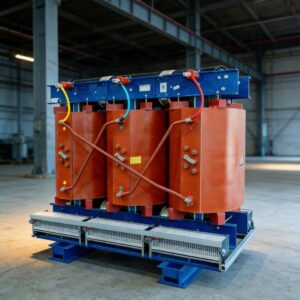
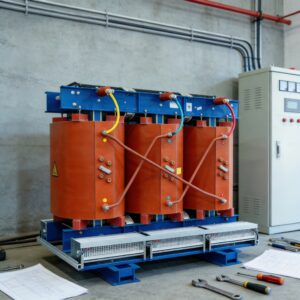
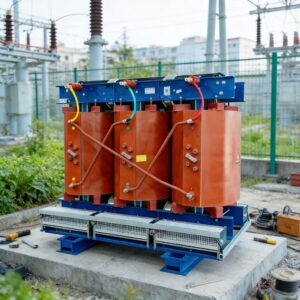
Un transformateur sec est un appareil électrique qui transfère l'énergie entre deux ou plusieurs circuits par induction électromagnétique. Contrairement aux transformateurs immergés dans l'huile, les transformateurs secs n'utilisent pas de liquide pour refroidir le noyau et les bobines. Ils utilisent l'air comme fluide de refroidissement, ce qui les rend plus sûrs et plus respectueux de l'environnement.
Composants clés des transformateurs de type sec
Comprendre les composants d'un transformateur sec permet d'apprécier son fonctionnement et les avantages de sa conception. Voici les principaux composants :
Cœur
Le noyau est l'élément central du transformateur. Il est constitué de fines feuilles d'acier électrique laminées, ce qui contribue à réduire les pertes d'énergie. Le noyau assure le passage du flux magnétique et joue un rôle crucial dans le rendement du transformateur.
Enroulements
Les enroulements sont des bobines de fil enroulées autour du noyau. Ils sont généralement en cuivre ou en aluminium. Ces enroulements transportent le courant électrique et sont conçus pour minimiser la résistance et les pertes d'énergie.
Système d'isolation
Un système d'isolation performant est essentiel dans un transformateur sec pour prévenir les défauts électriques. Généralement, des matériaux comme la résine époxy sont utilisés pour l'isolation des transformateurs en résine coulée. Cette isolation protège non seulement les enroulements, mais améliore également la durabilité et les performances du transformateur.
Enceinte
L'enveloppe d'un transformateur sec protège ses composants internes de la poussière, de l'humidité et des autres facteurs environnementaux. Elle garantit également la sécurité en empêchant tout contact accidentel avec les pièces sous tension. La conception de l'enveloppe peut varier en fonction de l'application et du lieu d'installation du transformateur.
Types de transformateurs à sec
Les transformateurs de type sec peuvent être classés en fonction de leur construction et de leurs techniques de refroidissement :
Transformateurs en résine moulée
Les transformateurs en résine coulée sont réputés pour leurs excellentes propriétés d'isolation et leur robustesse. Les enroulements sont encapsulés dans de la résine époxy, ce qui leur confère une grande résistance mécanique et une excellente étanchéité à l'humidité et aux contaminants.
Transformateurs refroidis par air
Les transformateurs refroidis par air, comme leur nom l'indique, utilisent l'air pour leur refroidissement. Ces transformateurs emploient une ventilation naturelle ou un système de ventilation forcée pour dissiper la chaleur. Ils sont souvent utilisés dans des situations où la sécurité environnementale et la réduction des risques d'incendie sont prioritaires.

Avantages des transformateurs à sec
Plusieurs raisons expliquent la préférence accordée aux transformateurs secs dans de nombreuses applications :
Sécurité
Sans huile inflammable, les transformateurs secs présentent un risque d'incendie moindre, ce qui les rend idéaux pour les installations intérieures et les zones densément peuplées.
Respect de l'environnement
Comme ils n'utilisent pas d'huile, ce sont des transformateurs de type sec. éliminer le risque de fuites d'huile et la contamination des sols, ce qui en fait un choix plus durable.
Faible entretien
L'absence d'huile réduit la maintenance et les risques environnementaux. De plus, le système d'isolation performant limite la fréquence des inspections.
Versatilité
Grâce à leur conception et à leurs techniques de construction adaptables, les transformateurs secs peuvent être utilisés dans une large gamme d'applications, des installations industrielles aux bâtiments résidentiels.
Fabrication de transformateurs de type sec
Le processus de fabrication des transformateurs secs comprend plusieurs étapes critiques pour garantir la qualité et les performances.
Construction de base
Le noyau est constitué de feuilles d'acier électrique laminées. La précision de la découpe et de l'empilement de ces feuilles garantit des pertes d'énergie minimales et une distribution efficace du flux magnétique.
Processus d'enroulement
Les enroulements sont réalisés en enroulant un fil de cuivre ou d'aluminium autour du noyau. Ce procédé doit être contrôlé avec précision afin de garantir l'uniformité et de minimiser la résistance.
Application d'isolation
Dans les transformateurs en résine coulée, les enroulements sont encapsulés dans de la résine époxy. Cette étape est cruciale pour assurer l'isolation et la résistance mécanique nécessaires.
Assemblage et tests
Une fois les composants prêts, ils sont assemblés pour former le transformateur final. Des tests rigoureux sont ensuite effectués afin de garantir que le transformateur réponde à toutes les normes de sécurité et de performance.
Applications des transformateurs à sec
Les transformateurs secs sont polyvalents et se retrouvent dans divers environnements :
Bâtiments commerciaux
Dans les bâtiments commerciaux, ces transformateurs sont souvent utilisés pour l'éclairage, les systèmes de chauffage, de ventilation et de climatisation, et distribution générale d'énergie.
Installations industrielles
En milieu industriel, ils fournissent une alimentation électrique fiable aux machines et aux chaînes de production, où la sécurité et l'efficacité sont primordiales.

Énergies renouvelables
Elles sont également utilisées dans des projets d'énergies renouvelables, tels que les centrales éoliennes et solaires, où les considérations environnementales sont essentielles.
FAQ sur la construction d'un transformateur sec
Quels matériaux sont utilisés dans la construction d'un transformateur sec ?
Les transformateurs secs utilisent principalement de la résine époxy, de l'aluminium ou du cuivre pour les enroulements et des matériaux isolants ininflammables. Ces composants garantissent sécurité et efficacité.
Comment fonctionnent les transformateurs secs ?
Les transformateurs secs fonctionnent par induction électromagnétique pour transférer l'énergie électrique. Ils convertissent la haute tension en basse tension, assurant ainsi une distribution d'énergie sûre.
Quels sont les avantages d'un transformateur sec ?
Les transformateurs secs sont plus sûrs, nécessitent moins d'entretien et sont plus respectueux de l'environnement. Ils peuvent fonctionner dans des espaces confinés et présentent moins de risques d'incendie.
Où utilise-t-on couramment un transformateur sec ?
Elles sont couramment utilisées dans les bâtiments commerciaux, les applications industrielles et les systèmes d'énergies renouvelables. Leur polyvalence les rend idéales pour divers contextes.
Conclusion
Les transformateurs secs offrent une solution sûre, efficace et respectueuse de l'environnement. solution pour la distribution d'énergie Il est important de comprendre leur structure, leurs composants et leurs avantages pour choisir le transformateur adapté à votre application. Qu'il s'agisse d'un bâtiment commercial, d'une installation industrielle ou d'un projet d'énergie renouvelable, les transformateurs secs constituent un choix fiable pour les systèmes électriques modernes.
En choisissant des transformateurs secs, vous améliorez la sécurité et l'efficacité tout en contribuant à des pratiques énergétiques durables. Lors de la conception de vos solutions de distribution électrique, pensez à ces transformateurs polyvalents et robustes.

 English
 Français
 Español
 Deutsch