

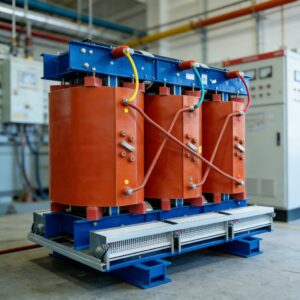
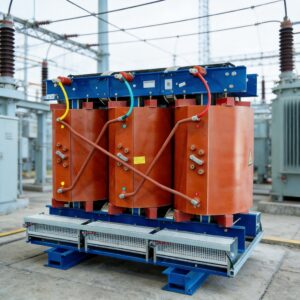
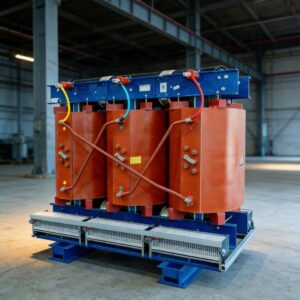
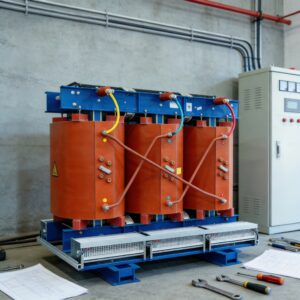
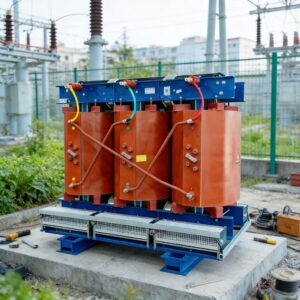
Les transformateurs secs sont des composants essentiels des systèmes électriques utilisés dans de nombreux secteurs industriels. Contrairement aux transformateurs à bain d'huile, ils utilisent l'air comme fluide de refroidissement, ce qui les rend idéaux pour les applications intérieures et les environnements où la sécurité incendie est primordiale. Ils sont reconnus pour leur fiabilité, leur faible maintenance et leur respect de l'environnement. Grâce à leurs caractéristiques de sécurité renforcées, ces transformateurs sont de plus en plus populaires et constituent un excellent choix pour les environnements urbains et industriels où l'espace est limité et la sécurité une priorité.
Avec les progrès technologiques, les transformateurs secs continuent d'évoluer, offrant des performances et une efficacité accrues. Les fabricants intègrent des matériaux et des techniques de conception innovants pour optimiser les capacités des transformateurs, les rendant ainsi plus adaptables aux différentes exigences de tension et aux environnements d'exploitation. Cette adaptabilité est essentielle pour les entreprises souhaitant moderniser leur infrastructure tout en maintenant des normes de sécurité et une efficacité opérationnelle optimales.
Avantages des transformateurs à sec
- Sécurité : L’absence d’huile réduit considérablement le risque d’incendie, ce qui rend ces transformateurs plus sûrs pour une utilisation en intérieur. Cet aspect est particulièrement important dans les zones à forte densité de population ou les établissements où la prévention des incendies est primordiale, comme les hôpitaux et les écoles. L’absence de substances inflammables signifie qu’en cas de défaillance, même improbable, les conséquences sont bien moins graves qu’avec les transformateurs à bain d’huile.
- Respectueux de l'environnement : contrairement aux transformateurs à bain d'huile, les transformateurs secs ne présentent pas les mêmes risques environnementaux. En éliminant les risques de fuites d'huile, ils contribuent à un environnement plus propre et plus sûr. Cet aspect est crucial pour les entreprises soucieuses de développement durable et de réduction de leur empreinte carbone. De plus, les matériaux utilisés dans les transformateurs secs sont souvent recyclables, ce qui renforce encore leur intérêt écologique.
- Maintenance réduite : Ces transformateurs nécessitent moins d’entretien, ce qui diminue les coûts d’exploitation globaux. L’absence d’huile élimine le besoin de vidanges régulières ou de réparations de fuites, opérations qui peuvent s’avérer coûteuses et chronophages. Cet aspect les rend particulièrement intéressants pour les sites isolés où les interventions de maintenance sont complexes et onéreuses.
- Durabilité : Conçus pour résister aux conditions les plus extrêmes, ils sont robustes et bénéficient d’une longue durée de vie. Leur construction leur permet de supporter les variations de température et les contraintes environnementales, garantissant ainsi leur fonctionnement sur de longues périodes. Cette durabilité se traduit par des coûts de remplacement réduits et des temps d’arrêt minimisés, générant des économies substantielles à long terme pour les entreprises.
Facteurs à prendre en compte lors du choix d'un fournisseur
Choisir le bon fournisseur de transformateurs secs implique d'évaluer plusieurs facteurs critiques. Voici quelques points clés à prendre en compte :
Réputation et expérience
Recherchez des fournisseurs jouissant d'une solide réputation et d'une vaste expérience dans la fabrication de transformateurs secs. Un fournisseur reconnu aura fait ses preuves en matière de qualité de produits et de services. Consultez les témoignages clients, les certifications professionnelles et les prix ou distinctions attestant de sa crédibilité. Un fournisseur ayant une expérience éprouvée dans le secteur est plus susceptible de garantir une qualité et une fiabilité constantes, essentielles à la continuité de vos activités.
De plus, les fournisseurs expérimentés possèdent souvent une connaissance approfondie des tendances du marché et des avancées technologiques. Ils peuvent vous apporter des conseils et des analyses précieuses pour prendre des décisions éclairées concernant vos systèmes électriques. Collaborer avec un fournisseur réputé vous garantit l'accès aux dernières innovations et développements en matière de transformateurs, vous permettant ainsi de rester compétitif dans votre secteur.
Gamme de produits
Une gamme de produits complète témoigne de la capacité du fournisseur à répondre à des besoins variés. Qu'il s'agisse de transformateurs secs moyenne tension ou de transformateurs en résine coulée, le fournisseur doit proposer un large choix. Cette flexibilité vous permet de trouver le transformateur adapté à vos exigences spécifiques. Une gamme de produits diversifiée suggère également que le fournisseur s'engage à satisfaire différents secteurs et applications, démontrant ainsi sa capacité à gérer des demandes complexes et variées.
De plus, une gamme de produits étendue témoigne de l'engagement d'un fournisseur envers l'innovation et le développement. En proposant de multiples options, il démontre sa capacité à s'adapter aux évolutions technologiques et aux besoins des clients. Cette adaptabilité est un atout précieux pour garantir que votre entreprise reste en phase avec les normes du secteur et les tendances émergentes.
Capacités de personnalisation
Chaque application industrielle présente des exigences spécifiques. C'est pourquoi la possibilité de personnaliser les transformateurs constitue un atout majeur. Discutez avec vos fournisseurs potentiels de leurs options de personnalisation afin de vous assurer qu'ils peuvent adapter les produits à vos spécifications. La personnalisation permet d'intégrer des fonctionnalités spécifiques qui peuvent s'avérer cruciales pour vos opérations, telles que des exigences de tension particulières ou des conditions environnementales spécifiques.
De plus, un fournisseur qui propose des solutions personnalisées démontre sa volonté de collaborer avec vous pour trouver des solutions adaptées à vos défis spécifiques. Cette approche collaborative peut mener à des solutions plus innovantes et efficaces, améliorant ainsi l'efficacité et la fiabilité de vos systèmes électriques.
Normes de qualité
Le respect des normes de qualité est impératif lors du choix d'un fabricant de transformateurs. Assurez-vous que le fournisseur se conforme aux normes industrielles, telles que les certifications ISO. Des transformateurs de haute qualité réduisent les risques de panne et prolongent la durée de vie des équipements. Les normes de qualité servent de référence en matière de performance et de sécurité, garantissant ainsi que les produits reçus répondent à des exigences strictes et fonctionnent de manière fiable dans diverses conditions.
De plus, le respect des normes de qualité internationales témoigne de l'engagement du fournisseur à maintenir des standards de production et d'exploitation élevés. Cet engagement envers la qualité est un gage de sérénité, car il vous assure d'investir dans un équipement à la fois sûr et durable.
Assistance technique et service
Un support technique et un service après-vente fiables sont essentiels, surtout lorsqu'il s'agit d'équipements électriques complexes. Choisissez un fournisseur offrant un service après-vente performant, incluant l'assistance à l'installation, le dépannage et la maintenance. Un support efficace permet d'éviter que des problèmes mineurs ne s'aggravent, garantissant ainsi le bon fonctionnement et l'efficacité de vos opérations.
De plus, un fournisseur offrant un support technique complet peut s'avérer un partenaire précieux pour l'optimisation de vos systèmes électriques. Il peut vous apporter des conseils et des recommandations pour améliorer l'efficacité, réduire les temps d'arrêt et prolonger la durée de vie de vos équipements. Cette approche proactive du support peut accroître la valeur et la performance globales de votre infrastructure électrique.
Évaluation des coûts et de la valeur
Bien que le coût soit un facteur important, il ne doit pas être le seul critère de votre décision. Concentrez-vous plutôt sur la valeur ajoutée du fournisseur.
Coût total de possession
Tenez compte du coût total de possession, qui inclut le prix d'achat initial, les frais d'installation, la maintenance et les dépenses d'exploitation sur toute la durée de vie du produit. Un coût initial légèrement supérieur peut se justifier si le transformateur offre une efficacité et une durabilité exceptionnelles. En évaluant le coût total de possession, vous pourrez prendre des décisions financières plus éclairées et bénéfiques pour votre entreprise à long terme.
De plus, bien comprendre l'impact financier complet de votre achat peut mettre en lumière des pistes d'économies potentielles. Par exemple, un transformateur plus performant pourrait réduire considérablement vos coûts énergétiques, compensant ainsi un coût initial plus élevé. Prenez en compte tous les aspects liés à la possession de cet équipement afin de vous assurer que votre investissement corresponde à vos objectifs financiers et à vos besoins opérationnels.
Efficacité énergétique
Les transformateurs à haut rendement énergétique permettent de réaliser des économies substantielles à long terme. Évaluez le rendement énergétique des transformateurs proposés par le fournisseur et son impact sur vos coûts d'exploitation. Un transformateur à haut rendement énergétique réduit non seulement la consommation d'énergie, mais minimise également la production de chaleur, ce qui prolonge la durée de vie des équipements et diminue les coûts de refroidissement.
De plus, investir dans des technologies écoénergétiques témoigne d'un engagement en faveur du développement durable et de la responsabilité environnementale. Cela peut améliorer la réputation de votre entreprise et vous permettre de vous conformer aux exigences réglementaires et aux objectifs de développement durable. En privilégiant l'efficacité énergétique, vous contribuez à un avenir plus durable tout en bénéficiant de coûts d'exploitation réduits.
Approvisionnement local vs. international

Choisir entre fournisseurs locaux et internationaux peut avoir plusieurs conséquences sur votre entreprise. Les fournisseurs locaux offrent l'avantage d'une communication plus facile, de délais de livraison plus courts et de coûts d'expédition potentiellement inférieurs. Cependant, les fournisseurs internationaux peuvent proposer une gamme de produits plus étendue et des prix plus compétitifs grâce aux économies d'échelle.
Avantages et inconvénients des fournisseurs locaux
- Avantages : Il est plus facile de vérifier la réputation et de visiter les installations. Les délais de réponse pour l’assistance et le service sont plus courts. Les frais d’expédition peuvent être potentiellement réduits. Les fournisseurs locaux peuvent offrir un niveau de service personnalisé et de responsabilité inestimable, surtout lorsqu’une assistance immédiate est nécessaire.
- Inconvénients : La gamme de produits peut être limitée. Les prix peuvent être plus élevés en raison d'une production à plus petite échelle. Bien que la proximité des fournisseurs locaux soit un atout, elle peut restreindre le choix des produits et la flexibilité des prix.
Avantages et inconvénients des fournisseurs internationaux
- Avantages : Accès à une plus grande variété de produits. Prix potentiellement plus bas grâce à des volumes de production plus importants. Les fournisseurs internationaux peuvent proposer des gammes de produits diversifiées et des prix compétitifs, grâce à leur plus grande présence sur le marché et à leurs capacités de production accrues.
- Inconvénients : Délais de livraison plus longs. Difficultés de communication et de service dues à la distance. Si les fournisseurs internationaux peuvent proposer des prix et des produits attractifs, les difficultés logistiques et de communication peuvent constituer des obstacles importants.
Prendre la décision finale
Après avoir évalué tous les facteurs, il est temps de prendre une décision éclairée. Rassemblez les informations recueillies sur les fournisseurs potentiels, pesez le pour et le contre et tenez compte des besoins spécifiques de votre entreprise.
Conditions de négociation
Une fois votre choix affiné, entamez des négociations afin de finaliser des conditions avantageuses pour les deux parties. Veillez à ce que tous les accords soient consignés par écrit, notamment les prix, les délais de livraison, les conditions de garantie et le service après-vente. Une documentation claire permettra d'éviter les malentendus et servira de référence pour résoudre tout litige ultérieur.
De plus, la négociation est l'occasion d'établir une relation mutuellement avantageuse. En travaillant de concert, vous vous assurez que les deux parties comprennent les attentes et les exigences de l'autre, jetant ainsi les bases d'un partenariat fructueux.
Construire une relation à long terme
Établir une relation à long terme avec votre fournisseur peut s'avérer extrêmement bénéfique. Cela garantit une qualité constante, des livraisons fiables et, potentiellement, des conditions plus avantageuses au fil du temps. Privilégiez une communication ouverte et faites-lui part de vos commentaires afin de l'aider à répondre à l'évolution de vos besoins. Un partenariat solide peut se traduire par un service amélioré, des solutions personnalisées et une confiance accrue, autant d'éléments qui contribuent à la réussite de votre entreprise.
De plus, une relation à long terme peut favoriser l'innovation et la collaboration. En travaillant en étroite collaboration avec votre fournisseur, vous pouvez anticiper les tendances du secteur et les avancées technologiques, et ainsi garantir la compétitivité et l'efficacité de votre entreprise.
Conclusion
Choisir le bon fournisseur de transformateurs secs est une décision stratégique qui peut impacter vos opérations et votre efficacité. En tenant compte de facteurs tels que la réputation, la gamme de produits, les options de personnalisation et le coût total de possession, vous pouvez sélectionner un fournisseur qui répond non seulement à vos besoins immédiats, mais qui soutient également vos objectifs commerciaux à long terme. N'oubliez pas qu'un bon fournisseur n'est pas un simple prestataire, mais un véritable partenaire de votre réussite. Investir du temps et des efforts dans la recherche du partenaire idéal peut générer des retours sur investissement significatifs en termes d'efficacité opérationnelle, de réduction des coûts et de croissance de votre entreprise.

 English
 Français
 Español
 Deutsch