

In the rapidly evolving landscape of energy management, understanding the complexities of substation equipment has become more crucial than ever. As the backbone of modern power grids, these advanced technological marvels do more than just facilitate energy distribution; they ensure the seamless integration of sustainable energy sources and enhance grid resilience amid rising demand. As we journey further into an era driven by digital transformation, the role of substation equipment is expanding beyond traditional boundaries, heralding a new age of smarter, more efficient power management systems.
Imagine a world where power outages are a thing of the past, energy efficiency is optimized, and renewable resources are seamlessly integrated into our daily power consumption. This is not just a futuristic vision but an attainable reality, thanks to the cutting-edge developments in substation equipment. By diving into the essential insights and innovations within this field, we can comprehend how these advancements are setting the stage for a more reliable and sustainable power supply — one that can meet the challenges and demands of tomorrow’s energy needs.

Evolution of Substation Equipment Technology
The history of substation equipment dates back to the early days of electrification, when simple switchyards and mechanical relays formed the core of power distribution networks. In the late 19th and early 20th centuries, substations primarily relied on open-air switchgear and oil-insulated circuit breakers. These early designs were bulky, required frequent maintenance, and posed safety risks due to exposed live components. As load demands grew and grid interconnections expanded, engineers began exploring more compact and safer alternatives, leading to the development of gas-insulated switchgear (GIS) and vacuum circuit breakers.
By the mid-20th century, solid-state electronics and microprocessor-based protection relays revolutionized how substation equipment operated. The introduction of digital control systems enabled faster fault detection and isolation, drastically reducing outage durations. Today’s substations incorporate advanced fiber-optic communication, digital transducers, and remote terminal units (RTUs) that deliver real-time data to centralized control centers. This digital transformation has not only improved operational efficiency but also laid the groundwork for integrating renewable energy sources and smart grid functionalities. As technologies like the Internet of Things (IoT) and artificial intelligence mature, we can expect even greater evolution in substation equipment, driving toward fully automated, self-healing networks.
Key Components of Modern Substations
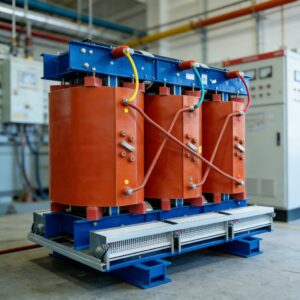
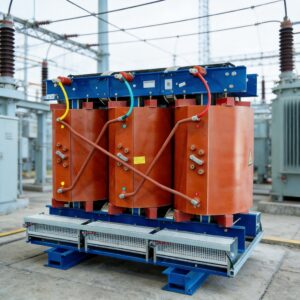
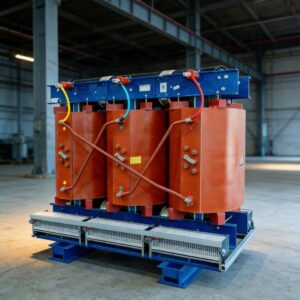
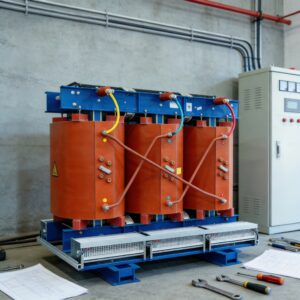
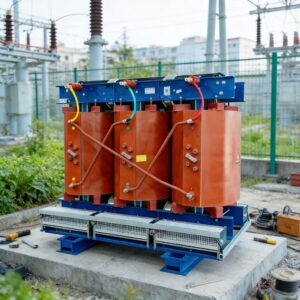
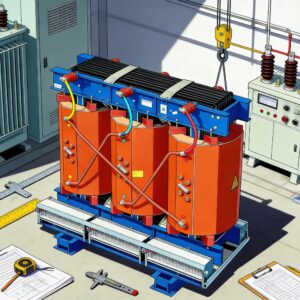
Modern substations are complex assemblies of electrical and electronic components designed to ensure reliable and safe power delivery. At the heart of every facility are power transformers, which step voltage levels up or down to match transmission and distribution requirements. High-voltage circuit breakers and disconnect switches protect the network by interrupting fault currents, while busbars and busduct systems provide robust conductors for distributing electricity within the substation. Insulators, surge arresters, and grounding systems safeguard equipment from overvoltages and lightning strikes, ensuring operational integrity.
Beyond these primary components, protective relays and digital control panels play a vital role in monitoring current, voltage, and frequency deviations. Supervisory Control and Data Acquisition (SCADA) systems collect and analyze data from Remote Terminal Units (RTUs) and Intelligent Electronic Devices (IEDs), enabling operators to make informed real-time decisions. Communication networks—often based on fiber-optic or microwave links—facilitate secure data exchange between substations and control centers. Together, these elements of substation equipment form an integrated ecosystem that supports high reliability, minimizes downtime, and lays the foundation for advanced grid services such as demand response and dynamic load balancing.
Integration of Renewable Energy Sources in Substation Operations
The rise of renewable energy generation has placed new demands on substation equipment, requiring more flexible and dynamic infrastructure. Solar farms, wind parks, and battery energy storage systems connect to the grid through dedicated substations or integrated feeder bays. These facilities must manage variable power injections, maintain voltage stability, and handle bidirectional power flows. Advanced power electronics, such as static synchronous compensators (STATCOMs) and flexible AC transmission systems (FACTS), help regulate voltage and reactive power, ensuring smooth integration of renewables.
Moreover, smart inverters equipped with ride-through capabilities and grid-support functionalities allow distributed generation to contribute to frequency control and fault ride-through requirements. Energy management systems (EMS) within substations coordinate between conventional generation and renewables, optimizing dispatch schedules and balancing supply with demand. As more microgrids emerge—combining localized renewable sources with storage—the role of substation equipment evolves to support islanding modes and seamless reconnection to the main grid. This transition underscores the importance of designing substations that can adapt to the intermittency and decentralization inherent in a renewable-rich energy landscape.
Advancements in Substation Monitoring and Control Systems
State-of-the-art monitoring and control systems have transformed how utilities operate substations. Phasor Measurement Units (PMUs) provide high-speed, time-synchronized measurements of voltage and current phasors, offering granular visibility into grid dynamics. Coupled with advanced analytics and machine learning algorithms, these data streams enable predictive maintenance, fault location, and dynamic line rating. By proactively identifying component degradation or abnormal operating conditions, utilities can schedule maintenance before failures occur, reducing unplanned outages and extending equipment life.
Additionally, digital twins of substations are gaining traction, offering virtual replicas that mirror real-time performance. Operators can simulate fault scenarios, test control strategies, and evaluate expansion plans without risking physical assets. Cybersecurity measures have also become integral to substation equipment, with multi-layered defense systems protecting critical communication links and control devices from cyber threats. Secure protocols, encryption, and intrusion detection systems ensure that data integrity and availability remain uncompromised in an era of increasing connectivity.
Enhancing Grid Resilience through Innovative Substation Designs
Innovation in substation design focuses on enhancing grid resilience and flexibility. Modular substations, built from prefabricated units, can be rapidly deployed in remote or disaster-prone areas, ensuring faster restoration of power services. Compact substations, especially in urban environments, reduce land requirements through gas-insulated switchgear and integrated control houses. These turnkey solutions facilitate swift installation and easier maintenance, making them ideal for expanding distribution networks.
Hybrid substations that combine conventional equipment with renewable generation and energy storage units are also emerging. Such configurations provide black-start capabilities, enabling sections of the grid to self-energize after a widespread outage. Furthermore, decentralized microgrid architectures—with peer-to-peer communication and autonomous control—rely on advanced substation equipment to manage islanding transitions and coordinate distributed energy resources. By embracing these innovative designs, utilities can bolster grid reliability, accelerate recovery from disruptions, and accommodate future growth in electrification.
Conclusion: Shaping the Future of Power Grids with Modern Substation Equipment
Modern substation equipment stands at the forefront of a transformative era for power grids, blending advanced technologies with sustainable energy integration. As digitalization, renewables, and resilience strategies converge, substations evolve into intelligent nodes that safeguard reliability and efficiency.
By embracing innovations across equipment, monitoring systems, and design paradigms, the industry is poised to meet escalating energy demands while ensuring a cleaner and more resilient electricity supply for generations to come.

 English
 Français
 Español
 Deutsch