
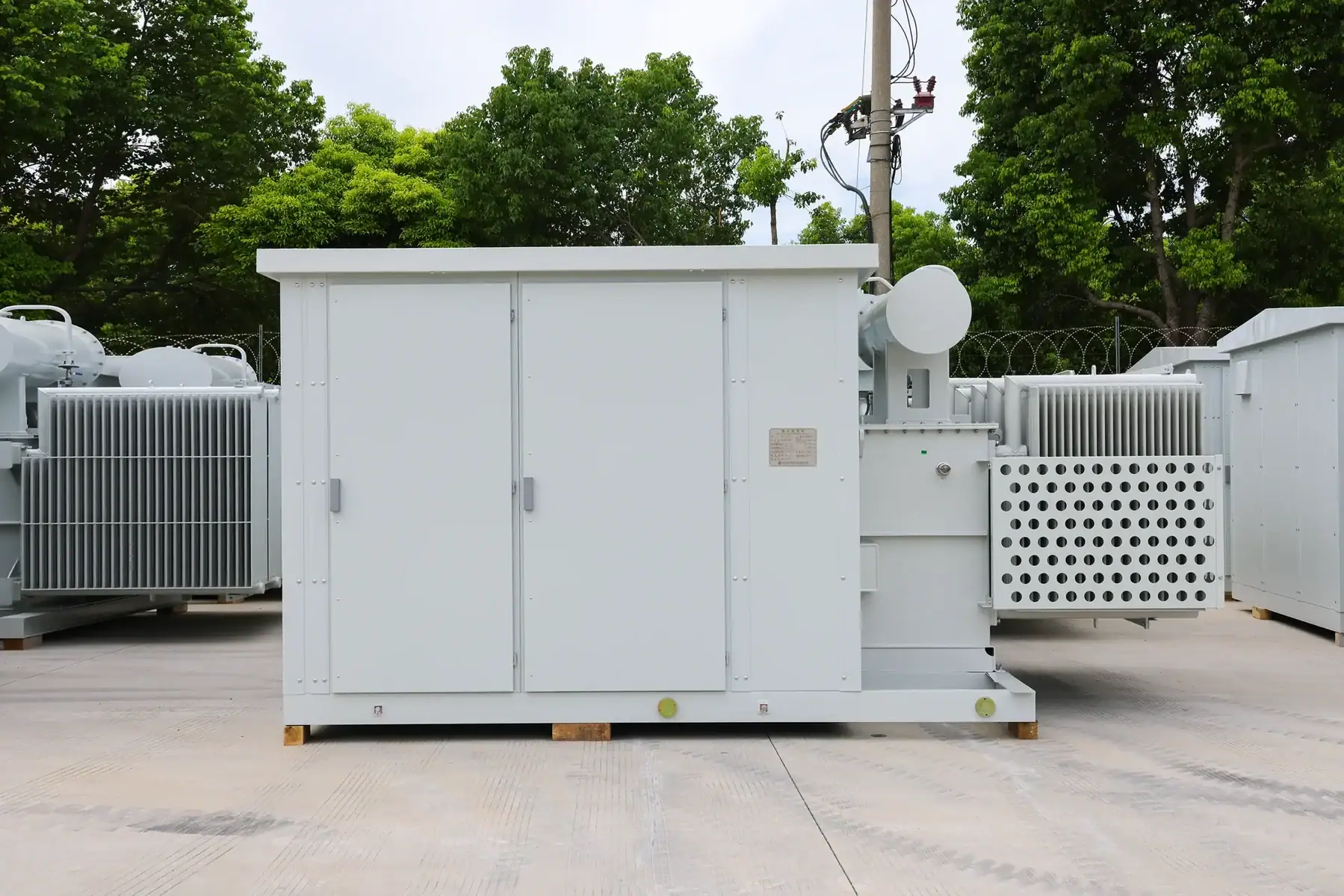
Imagine a world where energy wastage is no longer a pressing concern, where every watt of power is utilized to its fullest potential. This isn’t just a futuristic dream—it’s an achievable reality thanks to the marvel of modern electrical engineering: the low loss transformer. As industries and households alike continue to consume ever-increasing amounts of electricity, the challenge of improving energy efficiency becomes all the more vital. Enter the low loss transformer, a game-changing technology poised to transform how we generate, distribute, and utilize power.
The advent of low loss transformers marks a significant breakthrough in the quest for sustainable energy practices. By minimizing energy dissipation as heat, these transformers significantly reduce electricity wastage, leading to lower energy bills and a smaller carbon footprint. In a time where discussions about climate change and energy conservation dominate global agendas, understanding the revolutionary impact of low loss transformers becomes essential for anyone interested in the future of our planet’s energy landscape. Whether you’re an industry professional or a curious citizen, exploring the advancements offered by these remarkable devices will open your eyes to the exciting possibilities of a more energy-efficient world.

The Basics of Low Loss Transformers
Transformers are the workhorses of electrical power systems, stepping voltages up or down to ensure safe and efficient delivery of electricity. At their core, traditional transformers suffer from two primary types of losses: core (iron) losses and winding (copper) losses. Core losses occur due to hysteresis and eddy currents in the magnetic core, while copper losses arise from the resistance of windings carrying current. A low loss transformer tackles both issues head-on by adopting advanced materials and optimized designs that substantially trim these inefficiencies.
First, the magnetic core of a low loss transformer is often constructed from high-grade silicon steel or amorphous metal alloys. These materials exhibit lower hysteresis loss per cycle and reduced eddy currents compared to conventional iron cores. Secondly, designers employ techniques such as thinner laminations, improved stacking factors, and optimized magnetic flux paths to further curb losses. On the winding side, the use of high-purity copper conductors, precise coil arrangements, and tighter tolerances help minimize resistive heating. Collectively, these innovations ensure that a greater proportion of input energy is converted into useful output rather than wasted as heat.
Another hallmark of the low loss transformer is its enhanced thermal performance. Because losses are lower, heat generation diminishes, reducing the need for extensive cooling systems and prolonging equipment lifespan. This not only cuts maintenance costs but also boosts reliability—critical in applications where uninterrupted power is paramount. In essence, by integrating superior core materials and efficient winding designs, low loss transformers raise the bar for energy efficiency and sustainability in modern electrical grids.
Types of Low Loss Transformers in the Market
The market for low loss transformers has expanded significantly, offering various designs to suit diverse applications. Oil-immersed low loss transformers remain popular for high-voltage and heavy-load situations. These units submerge their windings and core in insulating oil, which acts as both a coolant and dielectric medium. By optimizing the core material—often with grain-oriented silicon steel or amorphous metal—and refining the oil formulation, manufacturers achieve marked reductions in both core and copper losses.
Dry-type low loss transformers, on the other hand, have gained traction in settings where fire safety, environmental considerations, or space constraints preclude the use of oil. These transformers use either epoxy-resin encapsulation or cast-resin windings around a specialized core. Their advanced designs leverage amorphous or nano-crystalline steel laminations to drive down hysteresis and eddy current losses. Though typically more expensive upfront than oil-filled units, dry-type low loss transformers offer lower maintenance costs, zero oil leakage risk, and simpler installation.
Another emerging category is the amorphous core distribution transformer. Unlike grain-oriented steel, amorphous metal cores consist of rapidly chilled ribbons that lack a crystalline structure. This unique property slashes core losses by up to 70% compared to traditional cores. These transformers excel in utility and commercial distribution networks, where cumulative energy savings yield rapid payback. Hybrid designs that combine amorphous cores with optimized copper windings further push efficiency boundaries, making the low loss transformer a cornerstone of modern grid modernization efforts.
Impact of Low Loss Transformers on Energy Bills
Investing in low loss transformers directly translates to substantial cost savings over the equipment’s lifecycle. Traditional transformers can waste between 2% to 5% of the power they handle as heat. In large industrial or utility-scale installations, this loss represents thousands of dollars in annual electricity costs. By reducing core and copper losses—even by just 20% to 50%—low loss transformers significantly lower energy consumption, cutting utility bills and improving profitability.
Consider a medium-voltage distribution network with a load of 5 MW operating 8,000 hours per year. A conventional transformer with an average loss of 2.5% would dissipate roughly 125 kW. Swapping in a low loss transformer that halves losses to 1.25% cuts dissipation to about 62.5 kW—saving close to 62.5 kW continuously. Over a year, at an electricity rate of $0.10 per kWh, this change saves nearly $50,000. When multiplied across multiple units or extended to larger grids, the cumulative benefits are transformative for utility budgets and end-user electric bills alike.
Integrating Low Loss Transformers in Industrial Applications
Industries with high power demands—manufacturing plants, data centers, petrochemical facilities—stand to gain immensely from low loss transformer deployments. Integration begins with a thorough power audit to identify existing transformer inefficiencies. Engineers then assess load profiles, voltage requirements, ambient conditions, and space constraints to select the optimal transformer type, whether oil-immersed, dry-type, or amorphous-core. Incorporating smart monitoring systems further enhances performance by tracking temperature, load, and harmonic distortion, enabling predictive maintenance and fault detection.
Beyond standalone replacements, low loss transformers support advanced industrial paradigms such as microgrids and renewable energy integration. When paired with solar arrays or wind turbines, these transformers efficiently step up irregular voltages and stabilize power flows, reducing system losses and improving overall reliability. Moreover, in automated facilities where variable frequency drives and sensitive electronics are widespread, the improved voltage regulation and lower harmonic generation of low loss transformers safeguard equipment, minimize downtime, and boost process yields. This synergy of efficiency and robustness positions low loss transformers as indispensable components in the factories of the future.
Conclusion: Embracing a Sustainable Future with Low Loss Transformers
Low loss transformers represent a pivotal leap forward in the pursuit of energy efficiency and sustainability. By dramatically reducing core and copper losses, these advanced devices offer both immediate cost savings and long-term environmental benefits.
As industries, utilities, and homeowners worldwide embrace low loss transformers, we take a collective step toward cutting carbon emissions and optimizing power systems. The era of wasteful energy practices is ending, and thanks to innovative transformer technology, a cleaner, more efficient grid is within reach.



 English
 Français
 Español
 Deutsch