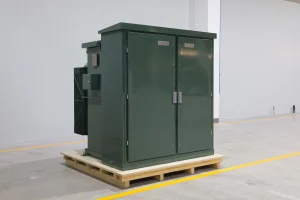
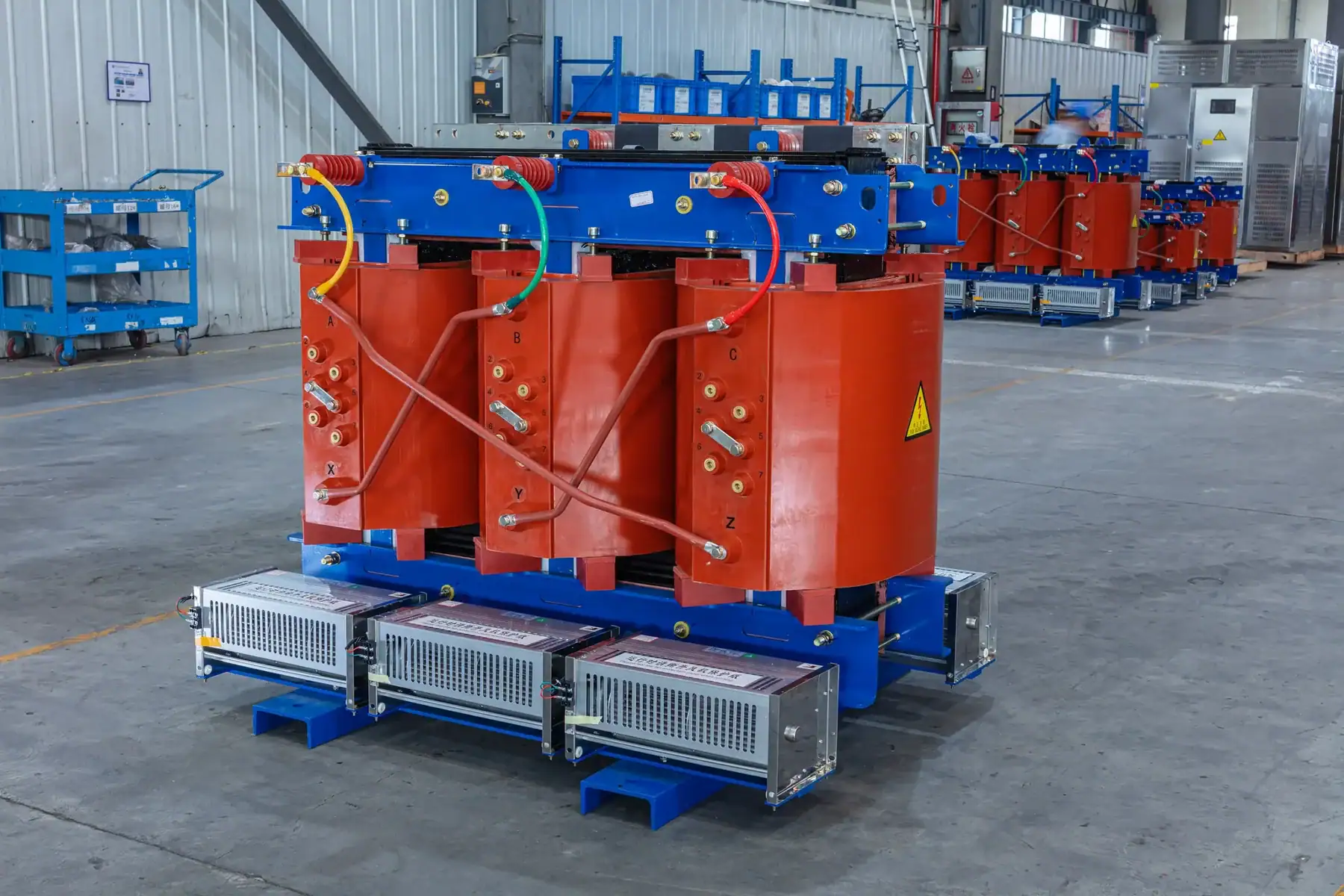
Understanding the different sizes and specifications of dry type transformers is crucial for engineers, electricians, and anyone involved in electrical projects. This guide will provide a comprehensive overview of the standard sizes, power ratings, and specifications of dry type transformers to help you make informed decisions.

What is a Dry Type Transformer?
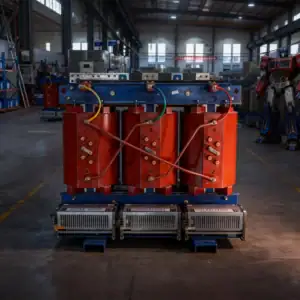
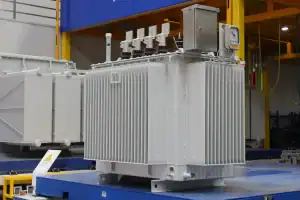
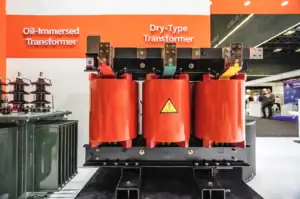
A dry type transformer is an electrical device that transfers electrical energy between two or more circuits through electromagnetic induction. Unlike liquid-filled transformers, dry type transformers use air as a cooling medium, making them suitable for indoor applications where fire risk must be minimized. They are often used in commercial buildings, industrial plants, and residential complexes.
Key Specifications of Dry Type Transformers
Before diving into the standard sizes, it’s essential to understand the key specifications that define dry type transformers:
- Power Ratings: Measured in kilovolt-amperes (kVA), power ratings indicate the transformer’s capacity to handle electrical loads.
- Voltage Rating: The voltage level at which the transformer operates, typically divided into primary and secondary voltage ratings.
- Frequency: Standard transformers operate at frequencies of either 50 Hz or 60 Hz, depending on the region.
- Efficiency: Reflects the transformer’s ability to convert input power to output power with minimal losses.
- Temperature Rise: The increase in temperature the transformer can safely withstand during operation.

Standard Sizes and Power Ratings
Dry type transformers come in various sizes and power ratings to accommodate different applications. Here, we’ll break down the common sizes and their corresponding power ratings.
Small to Medium-Sized Transformers
- 15 kVA to 50 kVA: These transformers are suitable for small commercial buildings or residences. They typically have a compact design and are easy to install in limited spaces.
- 75 kVA to 150 kVA: Ideal for medium-sized commercial applications, such as small factories or office buildings. They offer a balance between capacity and physical size.
Large-Scale Transformers
- 225 kVA to 500 kVA: Used in large commercial and industrial settings. These transformers provide the necessary power for extensive operations while maintaining a reasonable footprint.
- 750 kVA to 1000 kVA: Suitable for very large industrial plants or extensive commercial installations. They require more space and are often installed in dedicated transformer rooms.
Extra-Large Transformers
- 1500 kVA and above: Reserved for heavy industrial applications or utility-scale projects. These transformers are custom-built to meet specific needs and involve complex installations.
Understanding Transformer Dimensions
The physical size of a dry type transformer can vary significantly based on its power rating and application. Here are some general guidelines for the dimensions you might expect:
- Height: Typically ranges from 2 feet (for smaller units) to over 6 feet (for large industrial units).
- Width and Depth: Can range from 1 foot to 5 feet, depending on the power rating and design.
Weight Considerations
- Small Transformers: Generally weigh between 200 and 800 pounds.
- Medium Transformers: Can weigh from 800 to 2000 pounds.
- Large Transformers: Often exceed 2000 pounds, with some industrial models weighing over 5000 pounds.
Choosing the Right Transformer Type
When selecting a dry type transformer, consider the following types:
Ventilated Dry Type
- Features: Equipped with air vents to facilitate cooling.
- Applications: Commonly used in commercial and light industrial settings.
Encapsulated Dry Type
- Features: Enclosed in resin or epoxy for additional protection.
- Applications: Ideal for environments with high humidity or corrosive elements.
Cast Coil Dry Type
- Features: Utilizes cast resin coils for enhanced durability.
- Applications: Suitable for demanding industrial applications with high electrical stress.
Standard Ratings and Their Importance
Understanding the standard ratings is essential for matching transformers to their intended applications. Here are some key ratings:
- Primary Voltage: Determines the input voltage the transformer can handle.
- Secondary Voltage: Indicates the output voltage provided by the transformer.
- Insulation Class: Reflects the maximum temperature the transformer’s insulation can endure.
Common Ratings
- 15 kVA with 208V primary and 120/240V secondary: Suitable for light commercial use.
- 300 kVA with 480V primary and 240V secondary: Fits medium industrial applications.
- 1000 kVA with 13.8kV primary and 480V secondary: Used in large industrial operations.
Installation and Maintenance Tips
Proper installation and maintenance are crucial for the longevity and performance of dry type transformers:
- Installation: Ensure adequate ventilation and follow manufacturer guidelines for spacing and clearance.
- Routine Inspections: Regularly check for dust accumulation, signs of overheating, and any unusual noises.
- Cleaning: Keep the transformer clean and free of debris to maintain efficient cooling.
Conclusion
Dry type transformers are vital components in electrical systems, offering safe and efficient power distribution across various applications. By understanding the standard sizes, power ratings, and specifications, you can select the right transformer for your specific needs. Ensure regular maintenance and follow installation guidelines to maximize performance and lifespan.
Armed with this knowledge, you are now better prepared to make informed decisions regarding dry type transformers in your projects. Whether you’re dealing with small commercial buildings or extensive industrial plants, the right transformer can make all the difference in achieving efficient and reliable power distribution.