
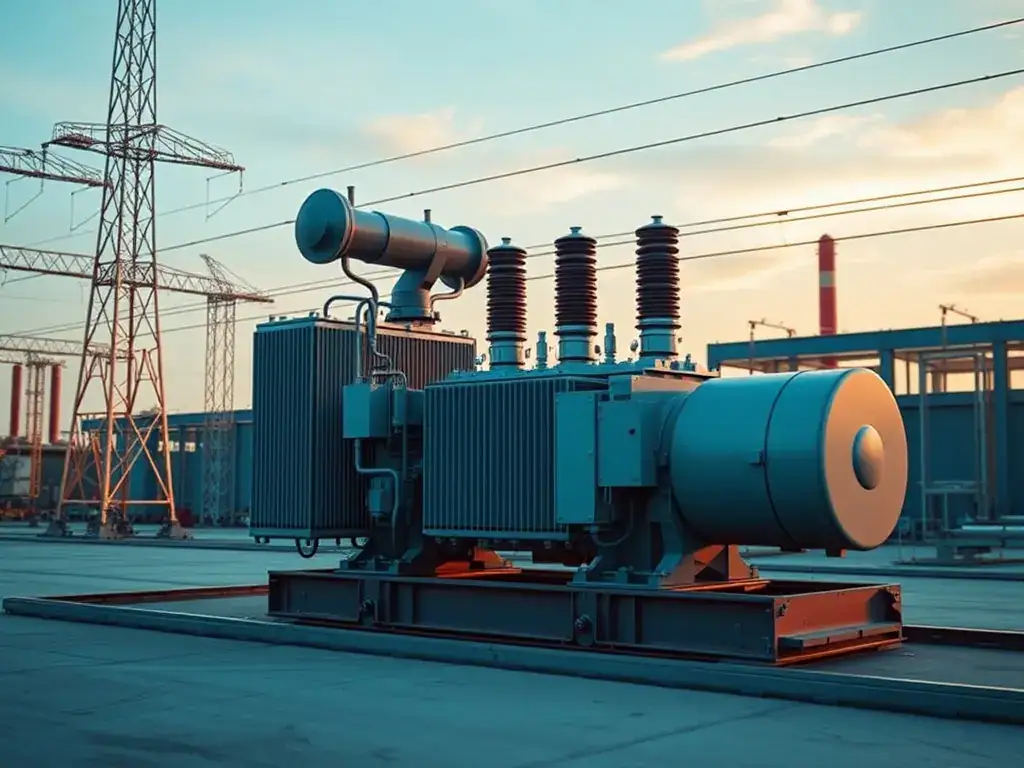
Imagine standing at the forefront of an industrial revolution powered by advanced transformer technology. Today, transformers for industrial applications are no longer just passive electrical components—they are intelligent, high-efficiency systems that support modern manufacturing, energy distribution, and smart infrastructure. From improving power quality to enabling energy-efficient operations, industrial power transformers are reshaping how industries operate in a competitive global market.
As industries demand higher performance and sustainability, innovations such as smart transformers, energy-efficient transformers, and IoT-enabled monitoring systems are transforming traditional power management into a data-driven, optimized process.、

Key Components and Technologies Driving Innovation
Modern industrial transformers are built using cutting-edge materials and precision engineering techniques. Core components such as silicon steel laminations, amorphous alloy cores, and nanocrystalline materials significantly reduce core losses, making low-loss transformers more energy-efficient and environmentally friendly.
Transformer windings have also evolved, with high-conductivity copper windings and advanced insulation systems improving electrical performance and thermal stability. These innovations ensure consistent voltage regulation and long service life, even under heavy industrial loads.
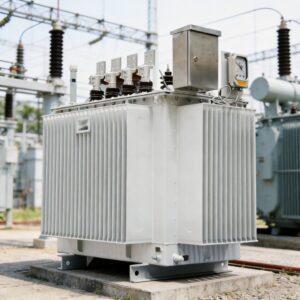
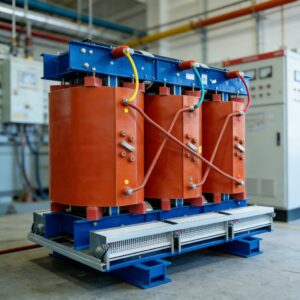
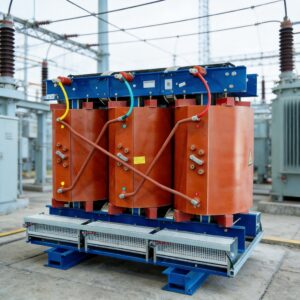
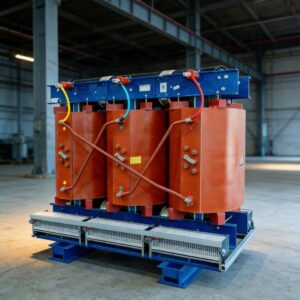
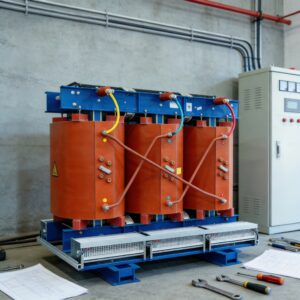
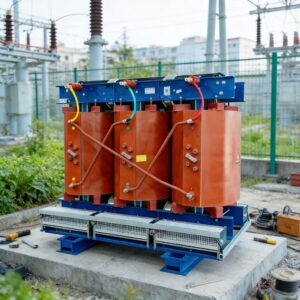
Cooling systems play a crucial role in transformer reliability. Oil-cooled transformers, dry-type transformers, and gas-insulated transformers are widely used depending on the application. Advanced cooling methods such as forced air cooling and directed oil flow help maintain optimal operating temperatures.
In addition, smart monitoring technologies—such as IoT sensors, SCADA systems, and real-time diagnostics—enable predictive maintenance. These features allow industries to detect faults early, reduce downtime, and improve transformer lifecycle management.

Enhancing Efficiency Through Advanced Design Features
Energy efficiency is a top priority in modern transformer design. High-efficiency industrial transformers are engineered with optimized magnetic circuits and precision voltage control systems. On-load tap changers (OLTC) allow transformers to adjust voltage levels automatically, ensuring a stable power supply for sensitive equipment.
Digitalization is another major advancement. Smart transformers equipped with data analytics and remote monitoring systems provide real-time insights into load conditions, temperature, and performance. This helps industries optimize energy consumption and reduce operational costs.
Compact transformer designs are also gaining popularity, especially in space-constrained industrial environments. High power density transformers deliver maximum output with minimal footprint, making them ideal for factories, substations, and data centers.
Applications Across Diverse Industry Sectors
Transformers for industrial applications are essential across multiple sectors:
Manufacturing Industry
Industrial transformers ensure a stable power supply for CNC machines, robotic systems, and automated production lines. Reliable voltage regulation improves product quality and reduces downtime.
Energy and Power Distribution
Power distribution transformers play a critical role in transmitting electricity from generation plants to end users. Step-up and step-down transformers help maintain grid stability and efficiency.
Renewable Energy Sector
Solar and wind power systems rely on transformers for renewable energy to integrate generated electricity into the grid. These transformers are designed to handle fluctuating loads and harsh environmental conditions.
Oil and Gas Industry
Explosion-proof transformers and sealed units are used in hazardous environments, ensuring safety and reliability in energy extraction and processing operations.
Transportation and Infrastructure
Railway transformers and traction transformers support metro systems, high-speed trains, and electric vehicle charging infrastructure.
Data Centers and IT Facilities
High-precision transformers provide clean and stable power for servers and critical IT equipment, reducing the risk of data loss and system failure.
Sustainable Practices and Energy Optimization
Sustainability is a key focus in transformer manufacturing. Energy-efficient transformers reduce power losses, helping industries lower their carbon footprint and comply with environmental regulations.
Eco-friendly transformer materials, such as biodegradable insulating oils and recyclable components, are becoming increasingly common. These materials improve safety while supporting green energy initiatives.
Smart load management systems allow transformers to operate efficiently under varying loads, reducing unnecessary energy consumption. In addition, predictive maintenance minimizes equipment failures and extends service life, reducing waste and operational costs.
Lifecycle optimization is another advantage. Modern transformers are designed for long-term use, with improved durability and reduced maintenance requirements, making them a cost-effective and sustainable investment.
Impact on Global Competitiveness and Market Trends
Advanced transformer technology is a key driver of industrial competitiveness. Companies that invest in high-performance transformers benefit from improved energy efficiency, reduced operational costs, and enhanced reliability.
Global demand for industrial transformers is growing due to:
- Expansion of renewable energy projects
- Increasing industrial automation
- Development of smart grids
- Rising demand for energy-efficient equipment
Manufacturers are also focusing on OEM transformer solutions, customized transformer design, and digital services to meet specific industry needs. These innovations help businesses stay competitive in a rapidly evolving market.
FAQ: Transformers for Industrial Applications
- What are transformers for industrial applications used for?
Industrial transformers are used to regulate voltage, ensure a stable power supply, and support heavy machinery and industrial systems across sectors such as manufacturing, energy, and infrastructure. - What is the difference between dry-type and oil-filled transformers?
Dry-type transformers use air for cooling and are suitable for indoor use, while oil-filled transformers use insulating oil for cooling and are commonly used in high-power outdoor applications. - How do energy-efficient transformers reduce costs?
They minimize energy losses during power transmission, which lowers electricity consumption and reduces long-term operating expenses. - What are smart transformers?
Smart transformers are equipped with sensors and digital monitoring systems that provide real-time data, enabling predictive maintenance and improved energy management. - How do transformers support renewable energy systems?
They help convert and stabilize voltage from solar panels and wind turbines, ensuring efficient integration into the power grid. - What factors should be considered when choosing an industrial transformer?
Key factors include power capacity, voltage requirements, cooling method, efficiency rating, installation environment, and compliance with industry standards.
Conclusion
Transformers for industrial applications are at the core of modern industry, enabling efficient energy distribution, reliable operations, and sustainable growth. With advancements in smart technology, energy efficiency, and eco-friendly design, industrial transformers are evolving into intelligent systems that drive productivity and innovation.
As industries continue to modernize and adopt renewable energy solutions, the importance of high-performance transformer systems will only increase. Investing in advanced transformer technology is not just a technical decision—it is a strategic move toward long-term efficiency, sustainability, and global competitiveness.

 English
 Français
 Español
 Deutsch