
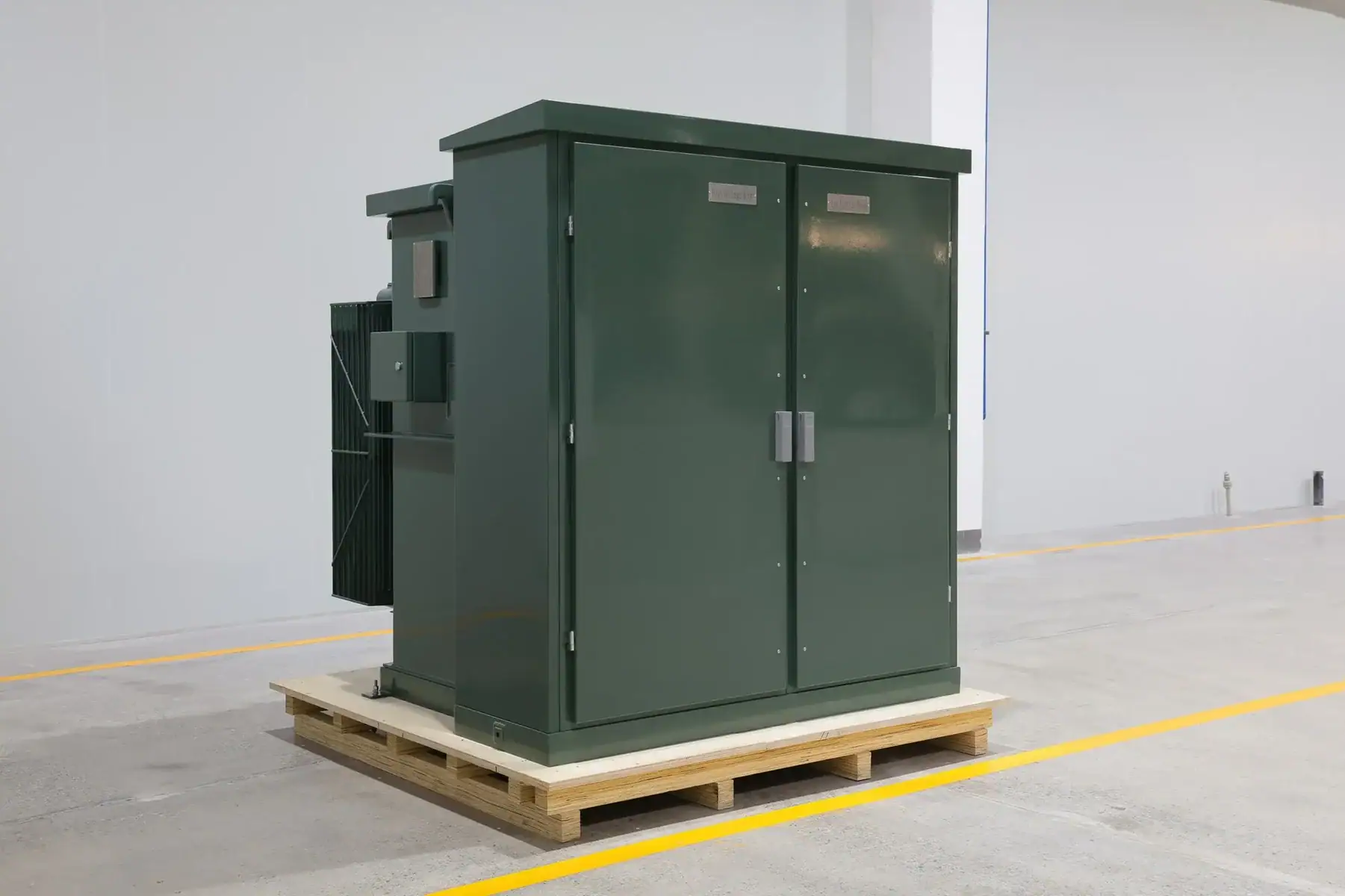
Transformers are not just the silent sentinels of our electrical grids; they are the unsung heroes powering our modern lives. Among these, padmount transformers stand out as the stalwarts of urban and suburban energy distribution, ensuring that electricity flows seamlessly to our homes and businesses without missing a beat. You might not notice them tucked away in unobtrusive metal boxes on street corners, but their role in energy infrastructure is monumental. This blog post takes a deep dive into padmount transformer technology, examining how these ingenious devices have revolutionized the reliability and safety of electricity delivery.
Picture a world where power outages were a frequent nuisance, disrupting daily activities and causing chaos for businesses. That’s the reality we left behind thanks to advancements like padmount transformers, which keep the lights on and industry humming. By delving into the intricacies of their design and operation, we’ll uncover how these transformers contribute to a robust and resilient energy system. Whether you’re an energy enthusiast or simply curious about the forces at work behind the flick of a switch, prepare to discover the transformative power of padmount transformer technology.

Understanding the Role of Padmount Transformers in Energy Distribution
At the heart of modern power infrastructure, the padmount transformer plays a pivotal role in taking high-voltage electricity from distribution lines and stepping it down to voltages safe for residential, commercial, and industrial use. Installed at ground level on concrete pads, these sealed metal boxes are designed for outdoor environments, combining ruggedness with convenience. Unlike traditional pole-mounted units, padmount transformers blend into streetscapes and allow for easier ground-level access for maintenance crews, enhancing overall grid reliability.
Power generated at centralized plants travels vast distances via high-voltage transmission lines to minimize losses. Once it reaches local substations, distributors use padmount transformers to lower voltage levels—commonly from 7,200 volts or higher—to the standard 120/240 volts used in homes and small businesses. This critical voltage conversion reduces the risk of electrical shock and fire hazards while ensuring appliances and machinery operate efficiently. Additionally, the compact, tamper-resistant design of padmount transformers protects equipment from unauthorized access and adverse weather, making them indispensable components in densely populated or high-traffic areas.
One of the key advantages of padmount transformers in energy distribution lies in their modularity. Utilities can deploy single-phase or three-phase units in various configurations, matching the specific load requirements of a neighborhood, shopping center, or light industrial park. This flexibility allows for incremental upgrades as demand grows, avoiding costly overhauls of existing infrastructure. Moreover, advanced monitoring systems can be integrated to provide real-time data on load, temperature, and fault conditions, enabling predictive maintenance and reducing unplanned downtime. In this way, padmount transformers not only step down voltage but also empower smarter, more resilient grids.
Key Components of Padmount Transformers: Inside the Metal Box
Although the exterior of a padmount transformer appears as a sturdy, locked metal enclosure, its interior houses a sophisticated arrangement of electrical and mechanical components. Each element plays a vital role in transforming voltage levels reliably and safely. Understanding these components helps utilities optimize performance and extend service life.
Below, we break down the major parts found inside a typical padmount transformer:
Transformative Core and Windings
The core of a padmount transformer is typically constructed from thin, laminated sheets of silicon steel. This lamination minimizes eddy current losses—circulating currents within the core that would otherwise produce unwanted heat. The core’s geometry, often an E-I or toroidal shape, is engineered to concentrate magnetic flux and maximize coupling between primary and secondary windings. High-quality core materials and precision assembly reduce hysteresis losses for improved efficiency.
Surrounding the core are the primary and secondary windings made from copper or aluminum. The primary winding receives high-voltage electricity from overhead or underground lines, while the secondary winding delivers the stepped-down voltage to the distribution network. Insulation materials, such as oil-impregnated paper or newer synthetic alternatives, ensure electrical isolation and cooling. Proper insulation thickness and layering techniques prevent breakdown under surge conditions, protecting both the transformer and downstream equipment.
Manufacturers also incorporate tap changers—either manual or automatic—to adjust winding ratios and fine-tune output voltage under varying load conditions. This feature helps maintain voltage regulation within tight tolerances, crucial for sensitive electronics and industrial processes.
Tank, Bushings, and Safety Devices
The padmount transformer’s tank is a sealed, weatherproof enclosure filled with insulating oil. This oil serves dual purposes: electrical insulation and heat dissipation. As the transformer operates, the oil circulates around windings and the core, absorbing heat and transferring it to the tank walls, where it dissipates into the surrounding air. Finned or ribbed tank surfaces further increase the cooling area, ensuring optimal thermal performance.
Bushings provide an insulated passage for cables entering or leaving the tank. High-voltage and low-voltage bushings are engineered to withstand mechanical stress, moisture ingress, and dielectric stress. Properly maintained bushings are critical—any contamination or deterioration can lead to flashovers or costly outages.
Safety devices, such as pressure-relief valves, surge arresters, and temperature gauges, are integrated into the tank assembly. Pressure-relief valves prevent catastrophic failure by venting excessive internal pressure, while surge arresters divert voltage spikes away from the winding. Temperature gauges, often paired with alarms, alert operators if oil or winding temperatures exceed safe thresholds, prompting timely intervention and preventing damage.
Efficiency Matters: The Impact of Padmount Transformers on Energy Conservation
Energy losses in electrical distribution systems can translate into significant operational costs and environmental impacts. Padmount transformers, when properly specified and maintained, can minimize these losses and contribute to overall energy conservation goals. High-efficiency designs focus on reducing core and copper losses—two primary sources of wasted energy in transformers.
Core losses, also known as no-load losses, occur whenever voltage is applied, regardless of load. Advanced core materials with lower hysteresis and eddy current characteristics reduce these losses. Copper losses, or load losses, arise from the resistance in windings when current flows. Using thicker conductor gauges or higher-conductivity copper alloys decreases I²R losses. Many modern padmount transformers comply with stringent efficiency standards such as DOE and NEMA TP-1, ensuring optimal performance.
Beyond materials, intelligent cooling systems can also boost efficiency. By maintaining consistent oil temperatures, the transformer avoids heat-related resistance increases in windings. Some units incorporate forced-oil or forced-air cooling, activated only when loads exceed baseline thresholds, thereby conserving energy during average operating conditions. Furthermore, integrating smart sensors and IoT connectivity enables utilities to monitor real-time efficiency metrics and detect deviations early. This proactive approach to energy management not only reduces electricity waste but also extends transformer lifespan and defers capital expenditures on replacements or upgrades.
Installation and Maintenance Practices for Padmount Transformers
Correct installation is the first step toward reliable transformer service. Before placing a padmount transformer on its concrete base, technicians must verify levelness and proper drainage to prevent water accumulation. A solid, vibration-free foundation reduces mechanical stress and extends service life. Cables and conduits entering the transformer are routed through sealed vaults or ductbanks, ensuring protection from moisture and physical damage.
Grounding is equally critical. A comprehensive grounding system, including ground rods and ground mats, protects the transformer, nearby equipment, and personnel from fault currents. Proper bonding between the transformer’s tank, conduit, and station grounds reduces touch and step potentials, meeting safety codes and minimizing risk during fault conditions.
Scheduled maintenance revolves around oil testing, visual inspections, and electrical diagnostics. Periodic oil sampling checks for moisture, dissolved gases, and dielectric strength. Rising moisture or gas levels can indicate internal arcing or insulation degradation, prompting timely intervention. Infrared thermography identifies hot spots at bushings, connectors, and load taps, while turns-ratio tests confirm winding integrity. Cleaning vents, tightening connections, and replacing worn gaskets further ensure the transformer remains sealed and performs optimally over decades of service.
Real-world Applications: Where Padmount Transformers Are Making a Difference
From residential neighborhoods to commercial campuses, padmount transformers have become ubiquitous in modern power systems. In suburban developments, they provide an aesthetic and unobtrusive alternative to overhead lines and wooden poles. Their low-profile design hides behind landscaping, preserving community appearances without sacrificing reliability.
In industrial parks and data centers, where consistent power quality is paramount, three-phase padmount transformers deliver stable voltages under heavy loads. Their ability to support high surge currents makes them ideal for facilities with motors, machining equipment, or uninterruptible power supplies. Many campuses deploy multiple transformers in parallel, enabling load sharing and redundancy—if one unit fails, others pick up the slack, preventing costly downtime.
Municipalities also rely on padmount transformers for street lighting, traffic signals, and public facilities. In urban cores, underground distribution networks feed these transformers, minimizing visual clutter and reducing exposure to weather or vehicular damage. Furthermore, renewable energy installations—such as community solar arrays—use padmount transformers to tie in generation to the grid, stepping up or down voltages for seamless interconnection. Across these varied applications, padmount transformers prove their versatility, safety, and efficiency, powering our lives with minimal footprint.
Conclusion
Padmount transformers may hide in plain sight, but their impact on energy distribution is profound. By stepping down voltages safely and efficiently, they ensure that homes, businesses, and critical facilities receive reliable power. Their rugged, weatherproof designs, coupled with advanced monitoring and maintenance practices, make them cornerstones of modern electrical grids.
As we continue to pursue smarter, greener energy systems, the role of padmount transformer technology will only grow. Whether supporting electric vehicle charging stations, renewable energy integration, or next-generation microgrids, these unassuming metal boxes are key to a resilient, efficient, and sustainable power future.

 English
 Français
 Español
 Deutsch