

Dry type transformers are essential components in the electrical infrastructure, known for their safety, reliability, and efficiency. Unlike their oil-filled counterparts, dry type transformers use air as a cooling medium, making them environmentally friendly and reducing the risk of fire hazards. In this article, we will explore the crucial design considerations for dry type transformers, focusing on cast resin transformer design, core design, ventilation, and insulation systems.
Before delving into the specific design aspects, it’s vital to grasp the basics of transformer operation. Transformers are electrical devices that transfer electrical energy between two or more circuits through electromagnetic induction. They play a crucial role in voltage regulation and power distribution across electrical networks.

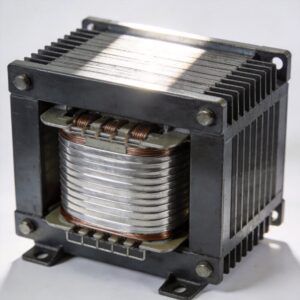
The core is the heart of any transformer. In dry type transformers, core design is a critical factor influencing efficiency and performance. The core is typically made of laminated silicon steel, which minimizes energy losses due to eddy currents. The design must ensure that the core is adequately sized to handle the transformer’s power rating while minimizing losses.
Core Shape and Material
The core’s shape can significantly affect the transformer’s efficiency. Common shapes include E-I, U-I, and toroidal cores. Each shape has its advantages, with toroidal cores often preferred for their low electromagnetic interference and compact design.
The choice of core material is equally essential. High-quality silicon steel with low hysteresis loss is typically used. This material reduces core losses, improving the overall efficiency of the transformer.
Cast Resin Transformer Design
Cast resin transformers are a type of dry transformer known for their robustness and versatility. The design of these transformers involves encapsulating the windings in epoxy resin, providing excellent insulation and protection against moisture and contaminants.
Benefits of Cast Resin Design
- Moisture Resistance: The epoxy resin encapsulation prevents moisture ingress, making these transformers suitable for humid environments.
- Reduced Fire Risk: Without flammable oil, cast resin transformers have a lower fire risk, enhancing safety.
- Minimal Maintenance: The design requires less maintenance compared to oil-filled transformers, reducing operational costs.
Design Considerations

When designing cast resin transformers, several factors must be considered:
- Thermal Management: Effective heat dissipation is crucial to prevent overheating. The design should incorporate adequate ventilation and cooling mechanisms.
- Voltage Regulation: The design should account for voltage variations to ensure stable output.
- Mechanical Strength: The transformer must withstand mechanical stresses during operation, so robust construction is essential.
Ventilation Design for Dry Transformers
Ventilation is a critical aspect of dry type transformer design. Proper ventilation ensures efficient cooling, preventing overheating and prolonging the transformer’s lifespan.
Importance of Ventilation
- Heat Dissipation: Adequate airflow removes excess heat generated during operation, maintaining optimal performance.
- Component Longevity: Effective cooling reduces thermal stress on components, extending their lifespan.
- Safety: Proper ventilation minimizes the risk of overheating, reducing the likelihood of equipment failure or fire.
Ventilation Design Considerations
When designing ventilation for dry transformers, consider the following:
- Location: Place transformers in well-ventilated areas with sufficient space for airflow.
- Ventilation System: Utilize fans, ducts, or natural convection to enhance airflow and cooling efficiency.
- Ambient Conditions: Account for environmental factors such as temperature and humidity, adjusting ventilation accordingly.
Insulation System in Dry Transformers
The insulation system is vital for ensuring electrical safety and performance in dry type transformers. It prevents electrical leakage and maintains the transformer’s integrity.
Types of Insulation
- Epoxy Resin: Used in cast resin transformers, epoxy resin provides excellent insulation and protection against environmental factors.
- Nomex Paper: A high-temperature insulation material that enhances thermal stability and electrical performance.
- Fiberglass: Offers good mechanical strength and thermal resistance, commonly used in conjunction with other materials.
Insulation Design Considerations
When designing the insulation system, consider:
- Thermal Class: Choose insulation materials with appropriate thermal class ratings for the intended application.
- Dielectric Strength: Ensure the insulation system can withstand the transformer’s voltage levels without breakdown.
- Environmental Factors: Consider exposure to moisture, chemicals, and other environmental elements that may affect insulation performance.
Conclusion
Designing dry type transformers involves careful consideration of various factors, including core design, cast resin encapsulation, ventilation, and insulation systems. Each aspect plays a crucial role in ensuring the transformer’s efficiency, reliability, and safety. By adhering to best practices and leveraging modern materials and technologies, engineers can create dry type transformers that meet the demands of diverse applications while minimizing environmental impact and operational risks.
Incorporating these design considerations into your dry type transformer projects will ensure optimal performance and longevity, ultimately contributing to a more reliable and sustainable electrical infrastructure.

 English
 Français
 Español
 Deutsch