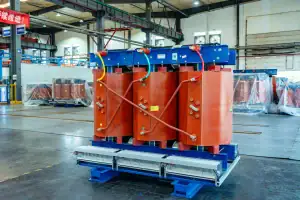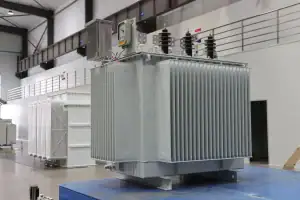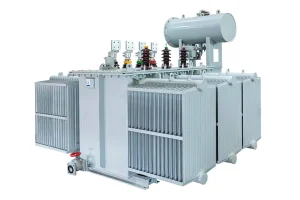

Air cooled dry type transformers are transformers that use air as their primary cooling medium, as opposed to liquid-based coolants like oil. The absence of liquid in the cooling system makes these transformers particularly suitable for specific environments and applications. They are typically enclosed in a ventilated casing that allows air to circulate and cool the internal components. This air-based cooling approach not only simplifies the design but also eliminates potential environmental hazards associated with liquid coolants.
The Basic Design of Dry Type Transformers
Dry type transformers are designed without a liquid cooling medium. Instead, they rely on natural air circulation or forced air systems to dissipate heat. This design choice offers several advantages, particularly in terms of safety and environmental impact. The natural air cooling method is often sufficient for many applications, but in environments with higher heat loads, forced air systems ensure that the transformer remains within safe operational temperatures.
- Core and Coil Assembly: The core and coil assembly is insulated with high-temperature materials that can withstand significant heat without degrading. This insulation not only protects the internal components but also enhances the transformer’s ability to operate under higher loads without risk of failure. Advanced materials used in the insulation process contribute to the overall durability and performance of the transformer.
- Ventilated Enclosure: The outer enclosure is ventilated to allow air to flow freely over the transformer components, facilitating efficient cooling. This design ensures that even in enclosed spaces, the transformer can maintain optimal temperatures. The ventilated enclosure also serves as a protective barrier against dust and other environmental contaminants, further extending the transformer’s lifespan.
- Cast Resin Encapsulation: In some designs, the coils are encapsulated in a cast resin, providing extra protection against dust and moisture. This encapsulation method is particularly beneficial in harsh environments where exposure to elements can degrade the components. The resin not only protects against external factors but also adds mechanical strength to the windings, reducing the risk of damage from physical impacts.
Key Advantages of Air Cooled Dry Type Transformers

Enhanced Safety
One of the primary benefits of air cooled dry type transformers is their enhanced safety profile. Since they do not contain flammable liquids, the risk of fire is significantly reduced. This makes them ideal for indoor installations and locations where fire safety is a top concern, such as hospitals, schools, and commercial buildings. Furthermore, their non-explosive nature provides peace of mind in high-density areas where any incident could lead to catastrophic outcomes.
Environmental Friendliness
Air cooled dry type transformers are more environmentally friendly than their oil-filled counterparts. The absence of oil eliminates the risk of oil leaks, which can cause soil and water contamination. Additionally, they emit fewer pollutants, making them a sustainable choice for eco-conscious businesses and communities. By reducing reliance on oil, these transformers contribute to a cleaner environment and align with global sustainability goals, making them an attractive option for green building projects and eco-friendly initiatives.
Reduced Maintenance
These transformers require less maintenance than oil-filled transformers. There is no need for oil testing or replacement, which can reduce downtime and maintenance costs. The robust design and durable materials used in their construction further contribute to their longevity and reliability. Furthermore, the absence of liquid components means fewer inspections and fewer chances of component failure, making them ideal for remote installations where maintenance can be challenging.
High Efficiency and Performance
Air cooled dry type transformers are known for their high efficiency. The advanced cooling system ensures that the transformer operates at optimal temperatures, reducing energy losses and enhancing performance. This efficiency translates into cost savings over the lifespan of the transformer, as less energy is wasted as heat. Additionally, their efficient operation supports stable power delivery, reducing the risk of voltage drops and power outages, which is critical for sensitive applications such as data centers and medical facilities.
Versatile Applications
Dry type transformers are versatile and can be used in a wide range of applications. They are suitable for both indoor and outdoor installations and can handle various load requirements. Their flexibility makes them a popular choice in industries such as manufacturing, transportation, and renewable energy. Whether it’s powering machinery in a factory or supporting the grid in a wind farm, these transformers adapt well to changing demands and environmental conditions.
Types of Air Cooled Dry Type Transformers

Cast Resin Transformers
Cast resin transformers are a type of dry type transformer where the windings are encapsulated in epoxy resin. This encapsulation provides excellent protection against environmental factors and enhances the durability of the transformer. The resin acts as a barrier against moisture and corrosive agents, making these transformers particularly suited for coastal and industrial settings where such threats are prevalent.
Ventilated Dry Type Transformers
These transformers have a ventilated enclosure that allows air to circulate freely around the core and coil assembly. This design is particularly effective in environments where consistent airflow can be maintained. The ventilated design ensures that even under heavy load conditions, the transformer remains cool and efficient, which is critical in applications like substations and large commercial facilities where reliability is paramount.
Considerations When Choosing a Dry Type Transformer
When selecting a dry type transformer, several factors should be considered to ensure it meets the specific needs of your application:
- Load Requirements: Assess the electrical load the transformer needs to support and choose a model that can handle these demands efficiently. Understanding the load profile helps in selecting a transformer that not only meets immediate needs but also accommodates potential future growth.
- Installation Environment: Consider whether the transformer will be installed indoors or outdoors and select a model with the appropriate enclosure and protection features. Factors such as humidity, temperature fluctuations, and exposure to contaminants should guide the selection process.
- Budget and Maintenance: Evaluate the initial cost of the transformer and the long-term maintenance requirements to determine the best value for your investment. While initial costs may be higher, the reduced maintenance and operational efficiencies can lead to significant savings over time.
- Efficiency Ratings: Check the efficiency ratings of the transformer to ensure it will provide energy savings and meet sustainability goals. Higher efficiency ratings not only contribute to lower operational costs but also reflect a commitment to environmental stewardship, which can enhance brand reputation and compliance with regulatory standards.
Conclusion
Air cooled dry type transformers offer numerous advantages that make them an attractive option for various applications. Their safety, environmental benefits, reduced maintenance, and high efficiency are just a few of the reasons they are increasingly preferred over traditional oil-filled transformers. By understanding these benefits and considering the specific needs of your application, you can choose the right transformer to enhance your electrical systems’ performance and reliability.
Whether you’re a business owner, engineer, or facility manager, investing in air cooled dry type transformers can lead to significant improvements in operational efficiency and safety. As technology continues to evolve, these transformers will likely play an even more significant role in the future of electrical distribution systems. Embracing these advanced solutions not only ensures current operational success but also positions organizations at the forefront of sustainable and efficient energy management practices.