In the world of electrical engineering, transformers play a crucial role in the distribution and regulation of electricity. Among the various types of transformers, the cast resin dry type transformer stands out for its unique features and applications. In this article, we will explore the definition, features, and benefits of cast resin dry type transformers, and why they might be the right choice for your electrical needs.
Cast Resin Transformer Definition
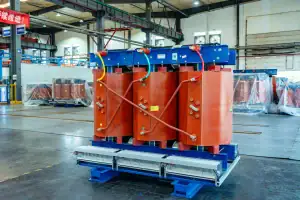
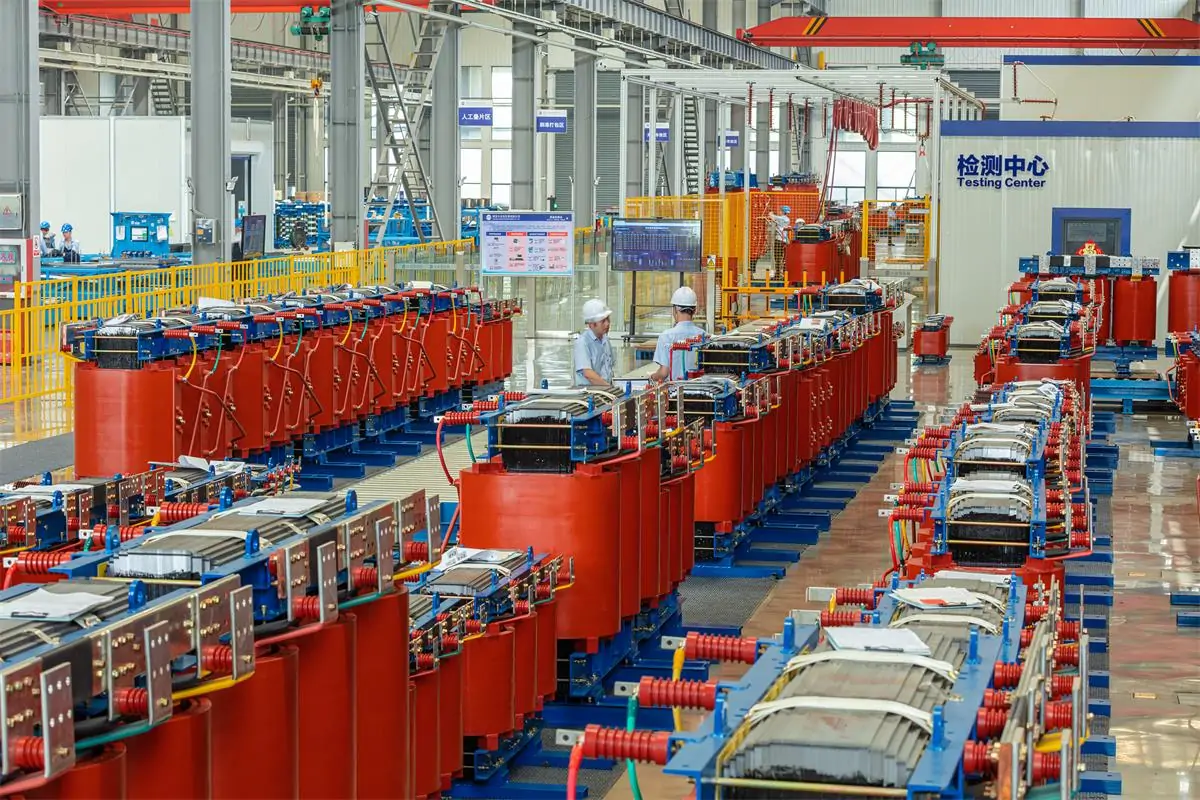
A cast resin transformer is a type of electrical transformer where the windings are encapsulated in epoxy resin. This design provides robust insulation and protection against environmental factors. Unlike oil-filled transformers, cast resin transformers use air as a cooling medium, eliminating the need for oil and reducing the risk of fire hazards.
Resin-Insulated Transformer
The resin insulation in these transformers offers excellent electrical insulation properties. The epoxy resin not only insulates but also mechanically supports the windings, making the transformer durable and reliable. This feature is particularly beneficial in environments where exposure to moisture, dust, or corrosive elements is a concern.
Features of a Dry Type Transformer

Electrical Transformer Features
Dry type transformers are known for their safety, reliability, and efficiency. Some of the key features include:
- Safety: Since they don’t use oil, there’s a reduced risk of fire. This makes them ideal for indoor and confined spaces.
- Low Maintenance: The absence of oil means less maintenance related to oil leaks or replacements.
- Environmentally Friendly: With no oil to dispose of, these transformers are more eco-friendly compared to their oil-filled counterparts.
- Durability: The resin encapsulation provides excellent resistance to short circuits and mechanical shocks.
Transformer Efficiency
Efficiency is a critical factor in any electrical system. Cast resin dry type transformers are designed to minimize energy losses, ensuring that the maximum amount of electricity is transferred from the source to the destination. Their design reduces eddy currents and stray losses, contributing to overall system efficiency.
Applications of Cast Resin Dry Type Transformers
MV/LV Dry Transformer
Medium Voltage (MV) and Low Voltage (LV) dry transformers are versatile and suitable for a variety of applications. Whether it’s powering a commercial building, an industrial plant, or a renewable energy installation, these transformers offer reliable performance.
Industrial and Commercial Use
Due to their safety features and low maintenance requirements, cast resin transformers are often used in commercial buildings, hospitals, and data centers. Their ability to operate efficiently in confined spaces makes them a preferred choice in urban settings.
Benefits of Using Cast Resin Dry Type Transformers
Safety and Reliability
One of the most significant advantages of cast resin transformers is their enhanced safety profile. The absence of flammable materials and the robust construction reduce the risk of accidents, making them suitable for critical applications.
Cost-Effective
While the initial cost of a cast resin transformer might be higher than an oil-filled transformer, the lower maintenance and operational costs make it a cost-effective solution in the long run.
Environmentally Friendly
With growing concerns about environmental sustainability, the use of cast resin transformers aligns with green energy initiatives. They eliminate the risk of oil spills and reduce the carbon footprint, contributing to a cleaner environment.
Considerations When Choosing a Transformer
Installation Environment
When selecting a transformer, it’s essential to consider the environment in which it will be installed. Cast resin transformers are ideal for locations with limited space or where environmental conditions could pose a risk to traditional oil-filled transformers.
Load Requirements
Understanding your electrical load requirements is crucial in selecting the right transformer. Cast resin transformers come in various sizes and capacities, making it essential to choose one that meets your specific needs.
Maintenance and Longevity
While cast resin transformers require less maintenance, it’s important to ensure that regular inspections and tests are conducted to maintain optimal performance. Proper care can significantly extend the lifespan of the transformer.
Conclusion
Cast resin dry type transformers offer a safe, reliable, and efficient solution for a wide range of electrical applications. Their unique features, including resin insulation and the absence of oil, make them an attractive option for both industrial and commercial use. As we move towards more sustainable and environmentally friendly practices, the demand for cast resin transformers is likely to grow.
By understanding their benefits and applications, you can make an informed decision about whether a cast resin dry type transformer is the right choice for your electrical infrastructure.