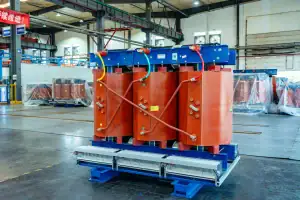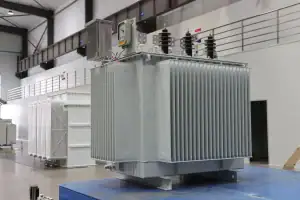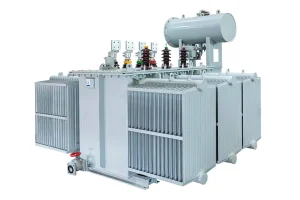

In today’s rapidly evolving electrical landscape, the cast resin dry type transformer stands out as a critical component, known for its efficiency, safety, and versatility. Whether you’re dealing with commercial, industrial, or residential settings, understanding the applications and benefits of these transformers can significantly enhance your electrical systems. Let’s delve into the world of dry type transformers and discover why they are a preferred choice for many.

A cast resin dry type transformer is a type of transformer where the windings are encased in epoxy resin. Unlike oil-filled transformers, these do not use any insulating liquid, making them a safer and more environmentally friendly option. The absence of oil minimizes the risk of fire, making these transformers ideal for indoor applications.
Key Features of Dry Type Transformers
- Safety: With no oil, there’s a reduced risk of fire, making them perfect for use in public and commercial spaces.
- Durability: The epoxy resin provides excellent protection against dust and moisture, ensuring a long lifespan.
- Low Maintenance: These transformers require less upkeep compared to their oil-filled counterparts, reducing operational costs.
Applications of Cast Resin Dry Type Transformers
Commercial Electrical Transformers
In commercial settings, such as shopping malls, office buildings, and hospitals, MV/LV cast resin transformers play a pivotal role. They are used to step down medium voltage (MV) to low voltage (LV) for safe and reliable power distribution. Their quiet operation and safety features make them ideal for densely populated areas.
Why Choose Cast Resin Transformers for Commercial Use?
- Noise Reduction: Their design ensures minimal operational noise, crucial for maintaining a peaceful environment in commercial spaces.
- Compact Design: They occupy less space, allowing for more flexible installation options.
- Environmentally Friendly: Without oil, there’s no risk of leaks, aligning with green building standards.
Industrial Power Transformers
For industrial applications, where robust and reliable power distribution is crucial, dry type transformers are indispensable. They are used in factories, manufacturing plants, and refineries to manage high power loads efficiently.
Advantages in Industrial Settings
- High Performance: Capable of handling significant power loads with minimal losses.
- Resilience: They withstand harsh environmental conditions, including high humidity and dust.
- Safety: Essential in environments where safety is paramount, reducing fire hazards.
Residential Applications
While less common in residential settings, cast resin transformers are sometimes used in high-rise buildings or residential complexes requiring stable and safe power distribution.
Benefits for Residential Use
- Compact and Silent: Perfect for space-limited areas where noise levels need to be minimized.
- Reliable: Offers a steady power supply, crucial for residential comfort.
Environmental Impact and Safety Considerations
The environmental benefits of cast resin dry type transformers are noteworthy. Their design minimizes the risk of oil spills and fires, protecting both human lives and the environment. Additionally, their energy efficiency reduces overall power consumption, aligning with global sustainability goals.
Fire Safety
One of the standout features of these transformers is their fire-resistant properties. The absence of oil eliminates the primary fuel source for fires, making them a safer option for many applications.
Energy Efficiency

Dry type transformers are designed to operate efficiently, with lower energy losses compared to traditional transformers. This efficiency translates to cost savings and a smaller carbon footprint, benefiting both businesses and the planet.
Installation and Maintenance
Installation Tips
- Location: Ensure the installation site is well-ventilated to prevent overheating.
- Access: Provide easy access for maintenance and inspection to prolong the transformer’s life.
Maintenance Practices
While cast resin transformers are low-maintenance, regular inspections are essential to ensure optimal performance. Check for signs of wear, such as cracks in the resin, and ensure that cooling systems are functioning correctly.
Conclusion
The cast resin dry type transformer is a versatile and reliable solution for a wide range of applications. From commercial to industrial settings, these transformers offer unmatched safety, efficiency, and environmental benefits. By choosing dry type transformers, businesses can enhance their electrical systems, reduce operational costs, and contribute to a more sustainable future. Whether you’re upgrading your existing infrastructure or planning a new project, consider the advantages of incorporating cast resin transformers into your power distribution strategy.