
Haben Sie sich jemals gefragt, was Ihren Alltag mit Energie versorgt – von der Kaffeemaschine am Morgen bis zum abendlichen Licht in Ihrem Zuhause? Die Antwort liegt in den oft übersehenen Kraftwerken unserer elektrischen Infrastruktur: den Transformatoren. Diese unverzichtbaren Komponenten des Stromnetzes mögen wie geheimnisvolle, summende Kästen auf Strommasten oder in Umspannwerken wirken, doch sie spielen eine entscheidende Rolle dabei, den in Kraftwerken erzeugten Strom effizient an Haushalte und Unternehmen zu verteilen. Zu verstehen, wie diese unscheinbaren Geräte funktionieren, kann den Prozess entmystifizieren, der uns sicher und zuverlässig mit Strom versorgt.
Stellen Sie sich vor: Sie sind auf einer Autoreise, fahren auf einer Autobahn und kommen an einem großen, eingezäunten Gelände mit Strommasten und -leitungen vorbei. Wahrscheinlich sind Sie gerade an einem Umspannwerk vorbeigefahren – dem Ausgangspunkt vieler Transformatoren. Trotz ihrer Allgegenwärtigkeit machen sich nur wenige Gedanken darüber, was diese Geräte eigentlich leisten. Sie sind die stillen Arbeitstiere, die die Spannung anpassen und so eine effiziente Stromübertragung über weite Strecken ermöglichen, bevor der Strom sein Ziel erreicht. Tauchen Sie ein in die faszinierende Welt der Transformatoren und gewinnen Sie Einblicke in das Rückgrat moderner Technologie. Entdecken Sie die Magie, die aus roher Energie eine nutzbare Kraft für unseren Alltag macht.
Grundlagen der Stromtransformatoren
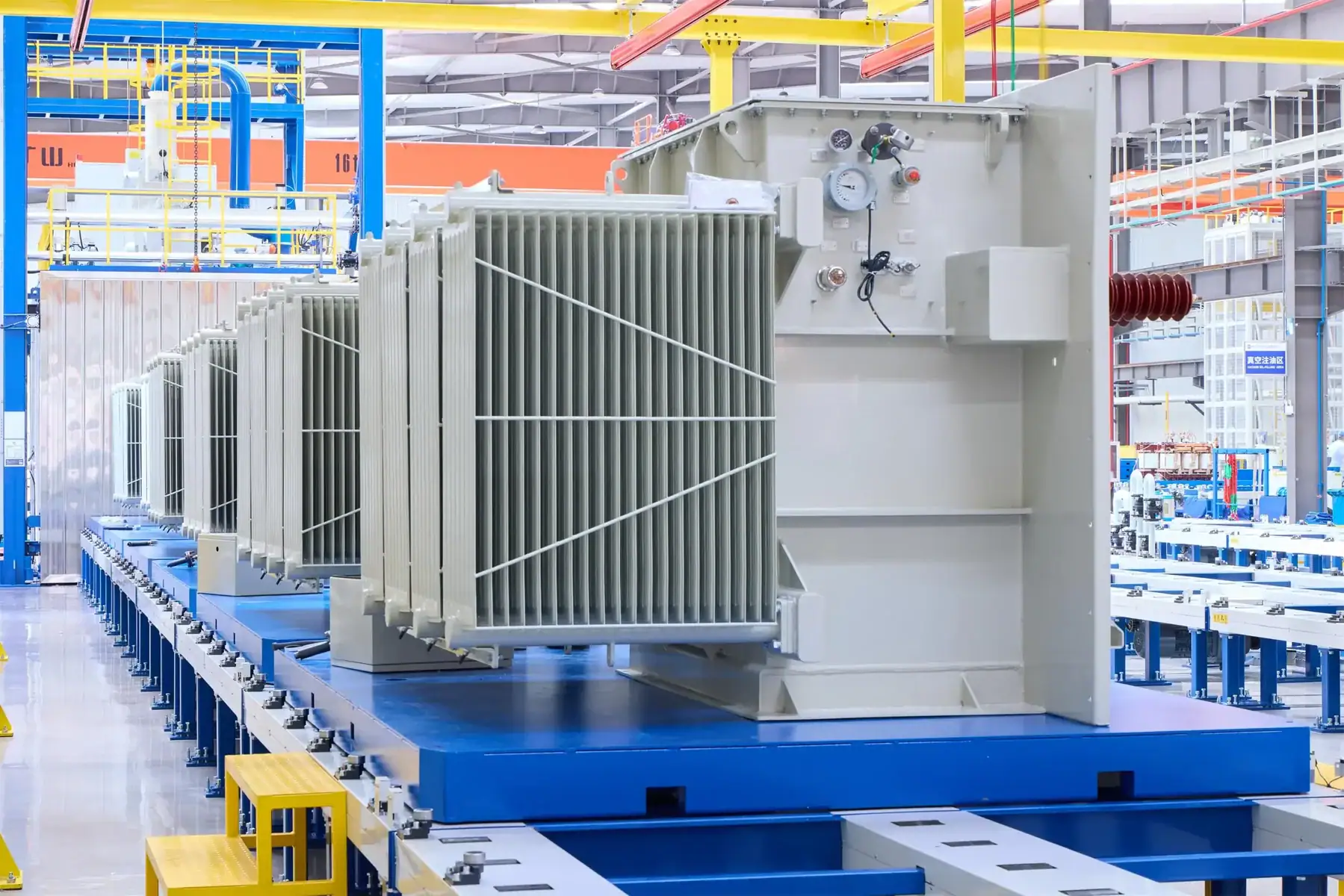
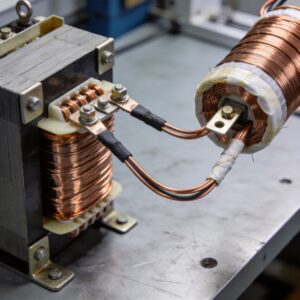
Im Kern ist ein Transformator ein elektrisches Gerät, das Wechselstrom (AC) mittels elektromagnetischer Induktion zwischen zwei oder mehr Stromkreisen überträgt. Das grundlegende Prinzip, das die Funktionsweise von Transformatoren erklärt, liegt im Faradayschen Induktionsgesetz: Ändert sich der magnetische Fluss durch eine Spule, wird in ihr eine Spannung induziert. Ein typischer Transformator besteht aus einer Primärwicklung (Eingangsspule), einer Sekundärwicklung (Ausgangsspule) und einem Magnetkern, der den von der Primärwicklung erzeugten Fluss zur Sekundärwicklung leitet.
Wenn Wechselstrom durch die Primärwicklung fließt, erzeugt er im Kern ein zeitlich veränderliches Magnetfeld. Dieses sich ändernde Magnetfeld induziert dann eine Spannung in der Sekundärwicklung, die je nach Windungszahlverhältnis der beiden Wicklungen entweder erhöht oder verringert wird. Das Kernmaterial – üblicherweise laminierter Siliziumstahl – reduziert Energieverluste durch Minimierung von Wirbelströmen. Isoliermaterialien, Öl oder andere Kühlmedien sowie Schutzgehäuse gewährleisten einen sicheren und zuverlässigen Betrieb von Transformatoren über lange Zeiträume und machen sie damit unverzichtbar für moderne Stromnetze.
Arten von Stromtransformatoren
Um die Funktionsweise von Transformatoren zu verstehen, ist es wichtig, die Vielfalt der für spezifische Anwendungen entwickelten Bauformen zu kennen. Grundsätzlich lassen sich Transformatoren in Kategorien wie Leistungstransformatoren, Verteiltransformatoren, Messtransformatoren und spezielle Spartransformatoren einteilen. Jede Bauform optimiert Spannungswandlung, Lastbelastbarkeit, Größe und Wirkungsgrad, um ihrer jeweiligen Rolle im Stromnetz gerecht zu werden.
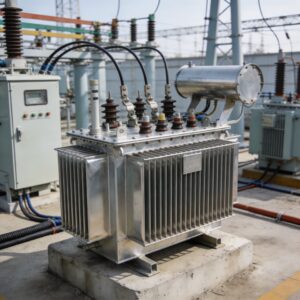
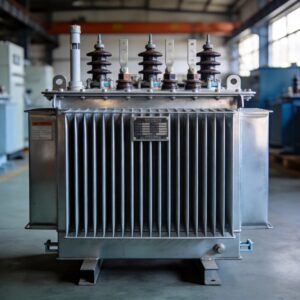
Leistungstransformatoren sind typischerweise große Anlagen, die in Umspannwerken eingesetzt werden und die Spannungen für die Übertragung erhöhen oder für die Verteilung verringern. Verteiltransformatoren, Kleinere, oft auf Masten oder Fundamenten montierte Transformatoren reduzieren Mittelspannungsleistungen auf für Haushalte und Unternehmen geeignete Werte. Messwandler – Strom- und Spannungswandler – gewährleisten sichere Mess- und Schutzfunktionen, indem sie Ströme und Spannungen auf instrumentengerechte Werte skalieren. Spartransformatoren nutzen eine einzige durchgehende Wicklung mit Anzapfungen, um variable Spannungspegel bei reduziertem Kupferverbrauch zu ermöglichen und eignen sich ideal für bestimmte industrielle Anwendungen. Das Verständnis dieser Transformatorentypen verdeutlicht die Vielseitigkeit der Transformatorentechnologie bei der Verteilung und Regelung elektrischer Energie.

Abwärtstransformatoren: Sichere Stromversorgung von Haushalten und Unternehmen
Abwärtstransformatoren spielen eine entscheidende Rolle bei der Reduzierung der hohen Übertragungsspannungen – oft Dutzende oder Hunderte von Kilovolt – auf den in Wohn- und Gewerbegebieten üblichen Bereich von 120/240 Volt. Dadurch wird sichergestellt, dass der an Steckdosen und Geräte gelieferte Strom ein sicheres und nutzbares Niveau aufweist. Die meisten Verteilnetze nutzen mehrere Transformationsstufen: die Hochspannungsabsenkung in Umspannwerken, gefolgt von lokalen Transformatoren in der Nähe der Endverbraucher.
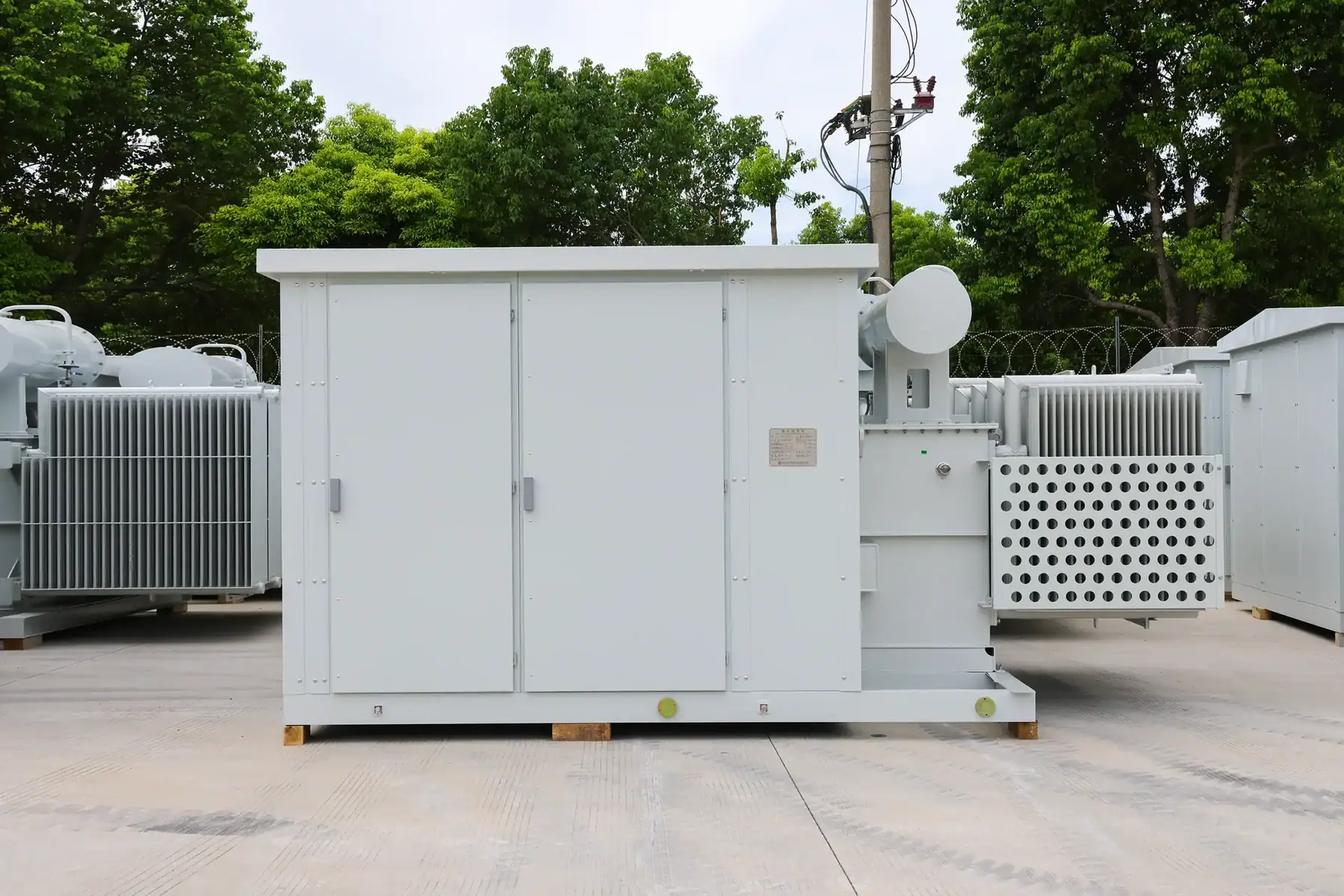
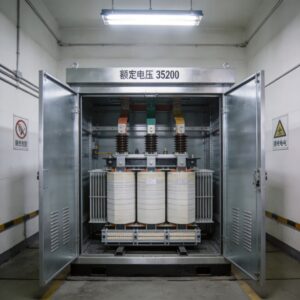
Mastmontierte Abwärtstransformatoren sind die bekannten grauen Gehäuse, die man in vielen Wohngebieten auf Strommasten sieht. Bodenmontierte Transformatoren – ebenerdige, verschlossene Gehäuse – erfüllen denselben Zweck in Gebieten mit unterirdischer Verkabelung. Beide Typen basieren auf isolierten Wicklungen und Öl- oder Trockenkühlsysteme Zur Wärmeregulierung sorgen Sicherheitsmerkmale wie Druckentlastungsventile, Überhitzungsschutz und Überspannungsableiter für Schutz vor Überlastung, Blitzeinschlägen und internen Fehlern. Regelmäßige Wartung, einschließlich Ölprüfung und Inspektion, erhält die Funktionsfähigkeit des Transformators und minimiert Stromausfälle. So wird eine zuverlässige Stromversorgung für Haushalte und Unternehmen gewährleistet.
Wirkungsgrad und Energieverluste im Transformatorenbetrieb
Obwohl Transformatoren zu den effizientesten elektrischen Geräten zählen – ihre Effizienz oft sogar über dem Wert von 981 TPS liegt – sind gewisse Energieverluste unvermeidbar. Diese Verluste lassen sich in zwei Hauptkategorien einteilen: Kernverluste (Eisenverluste) und Wicklungsverluste (Kupferverluste). Kernverluste entstehen durch Hysterese und Wirbelströme im Magnetkern, während Kupferverluste auf den Widerstand der Wicklungen beim Stromfluss zurückzuführen sind.
Die Hystereseverluste hängen von den magnetischen Eigenschaften des Kernmaterials und der Frequenz des Wechselstroms ab; die Verwendung von hochwertigen Siliziumstahlblechen reduziert diesen Effekt. Wirbelstromverluste werden minimiert, indem der Kern in dünne, isolierte Bleche unterteilt wird, um die Wirbelströme zu unterbrechen. Die Kupferverluste variieren mit der Last: Mit steigendem Strom steigen die I²R-Verluste in den Wicklungen. Kühlsysteme – ölgefüllte Tanks oder Zwangsluft-/Glykolkühlung – führen die Wärme ab, um optimale Betriebstemperaturen zu gewährleisten. Eine sachgemäße Konstruktion, die richtige Materialauswahl und vorbeugende Wartung tragen dazu bei, Verluste zu reduzieren, den Wirkungsgrad zu verbessern und die Lebensdauer des Transformators zu verlängern.
Fazit: Die Rolle von Stromtransformatoren würdigen
Stromtransformatoren sind die stillen Helden unserer Energieinfrastruktur. Sie regeln unauffällig die Spannung und ermöglichen so die Übertragung über große Entfernungen und den sicheren Verbrauch durch die Endverbraucher. Ihre Konstruktion, die auf elektromagnetischer Theorie basiert und über Jahrzehnte hinweg verfeinert wurde, ist ein Paradebeispiel für elegante Lösungen komplexer Herausforderungen.
Indem wir verstehen, wie diese Geräte funktionieren – von den Grundlagen der elektromagnetischen Induktion bis hin zu den Details der Spannungsverteilung und Effizienzbetrachtungen – gewinnen wir ein tieferes Verständnis für die Technologie, die unsere Welt antreibt. Wenn Sie das nächste Mal das Licht einschalten oder Ihr Handy aufladen, denken Sie an die Transformatoren, die im Hintergrund fleißig arbeiten, um unser modernes Leben mit Licht zu versorgen.

 English
 Français
 Español
 Deutsch