
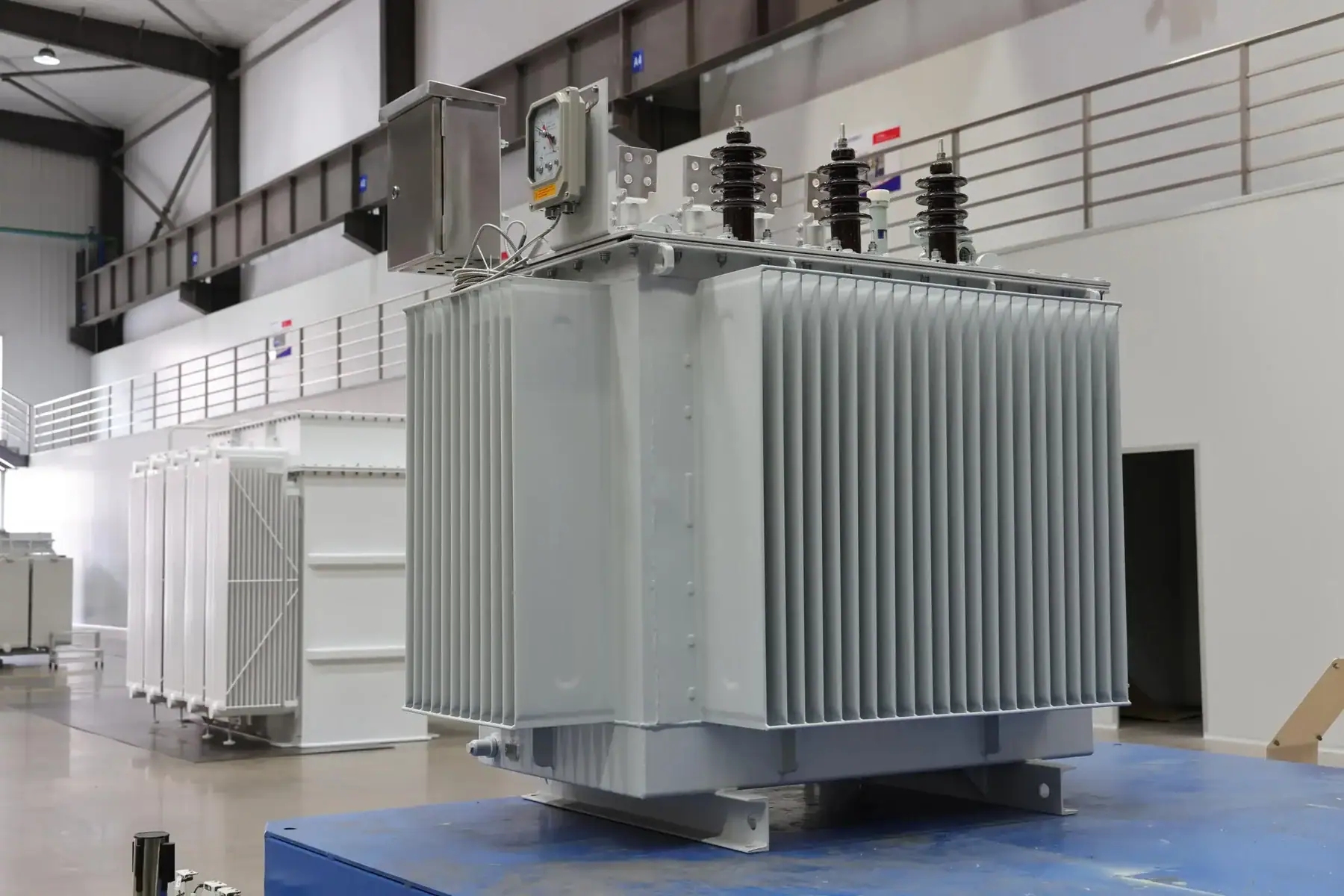
Stellen Sie sich das Herzstück Ihres elektrischen Systems vor, das gleichmäßig schlägt und so einen reibungslosen Stromfluss für alle Vorgänge gewährleistet. Diese lebenswichtige Komponente ist der ölgekühlte Transformator – ein oft übersehener Held der Elektrizitätswelt. Doch wie bei jedem Helden ist seine Instandhaltung entscheidend, um kostspielige Ausfallzeiten und potenzielle Störungen zu vermeiden. Ohne regelmäßige Wartung können selbst die robustesten Transformatoren ausfallen, was zu Unterbrechungen führt, die weitaus teurer sind als die Wartung selbst.
Die Wartung von Öltransformatoren mag zunächst komplex erscheinen, ist aber eine Investition in Zuverlässigkeit und Effizienz. Mit der richtigen Pflege und Aufmerksamkeit können diese Transformatoren jahrzehntelang reibungslos funktionieren und zuverlässig ihren Dienst verrichten. In diesem umfassenden Leitfaden erfahren Sie alles Wichtige zur Wartung, damit Ihre Transformatoren nicht nur funktionieren, sondern auch optimal arbeiten. Am Ende verstehen Sie nicht nur das ‘Wie’, sondern auch das ‘Warum’ der einzelnen Wartungsmaßnahmen und sind somit bestens gerüstet, um die Stabilität und Langlebigkeit Ihrer elektrischen Systeme zu gewährleisten.
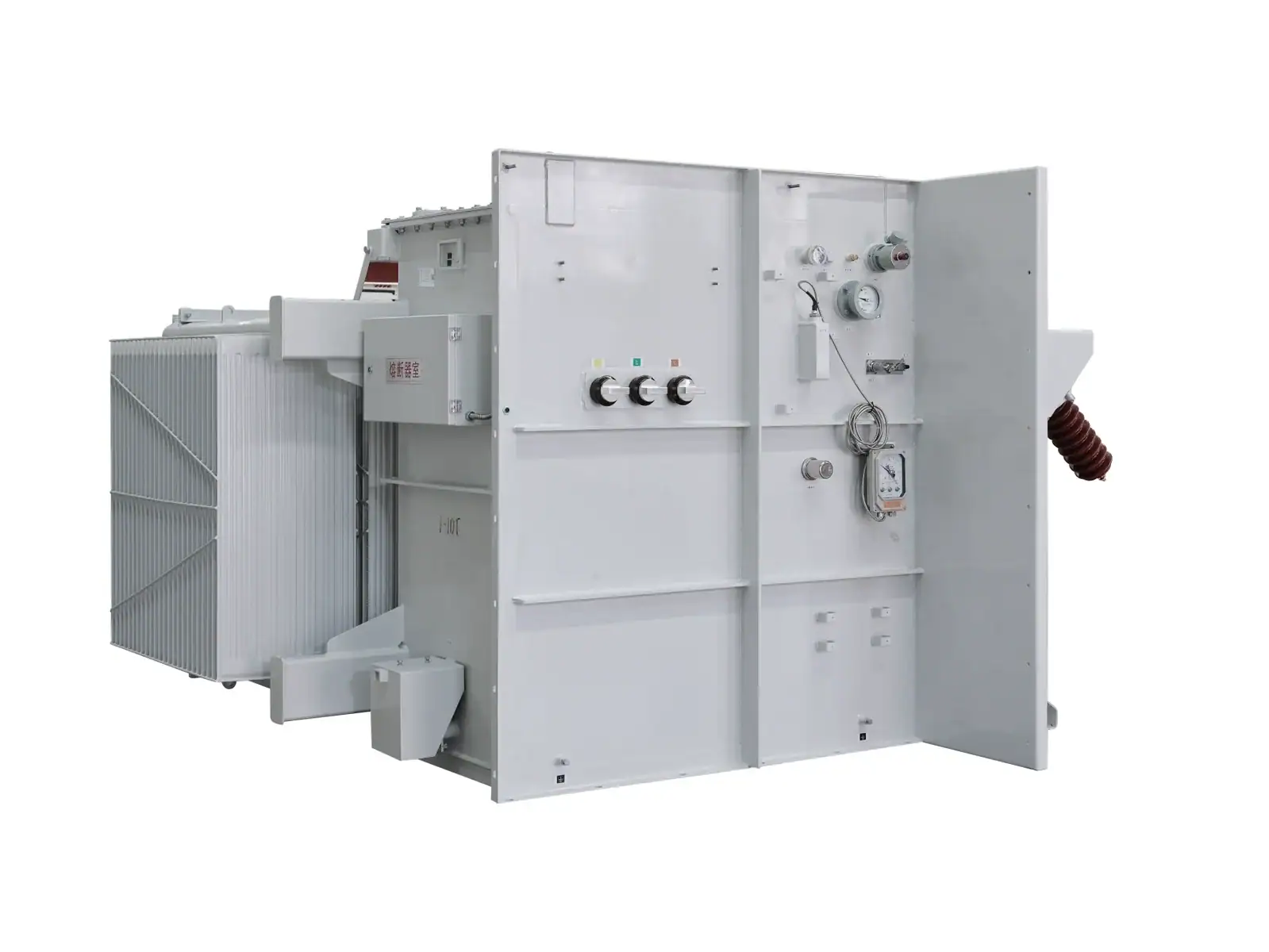
Bedeutung der Wartung von ölgekühlten Transformatoren
Die Wartung von ölgekühlten Transformatoren ist die Grundlage für eine unterbrechungsfreie Stromversorgung und die Verlängerung der Lebensdauer dieser kritischen Anlagen. Mit der Zeit kann sich das Isolieröl in Transformatoren durch thermische Belastungen und Feuchtigkeitseintritt zersetzen, was zu einer verminderten Durchschlagsfestigkeit und potenziellen Isolationsausfällen führt. Werden Wartungsarbeiten wie Ölprüfung, Filtration und Nachfüllen vernachlässigt, kann dies zu beschleunigtem Verschleiß, internen Fehlern und sogar zu katastrophalen Ausfällen führen. Durch die Priorisierung regelmäßiger Wartungsarbeiten können Anlagenbetreiber Frühwarnzeichen – wie ungewöhnliche Temperaturanstiege, Gasbildung oder eine Verschlechterung der Durchschlagsfestigkeit – erkennen, bevor diese sich zu schwerwiegenden Problemen entwickeln.
Darüber hinaus fördert vorausschauende Wartung die Betriebseffizienz und -sicherheit. Ein gut gewarteter Transformator arbeitet mit optimaler Effizienz, reduziert Energieverluste und senkt die Betriebskosten. Er minimiert auch Umweltrisiken; verunreinigtes oder geschädigtes Öl kann im Fehlerfall austreten oder sich entzünden und so Personen und Anlagen gefährden. Die Implementierung eines strukturierten Wartungsprogramms erhält nicht nur den Anlagenwert, sondern gewährleistet auch die Einhaltung von Branchenstandards und gesetzlichen Bestimmungen. Kurz gesagt: Investitionen in die Wartung von Öltransformatoren zahlen sich durch höhere Zuverlässigkeit, geringeres Ausfallrisiko und eine verbesserte Wirtschaftlichkeit aus.
Regelmäßige Inspektionsverfahren
Eine effektive Wartung von ölgekühlten Transformatoren beginnt mit systematischen Inspektionen. Sichtprüfungen, elektrische Tests und Ölanalysen helfen, Anomalien frühzeitig zu erkennen. Inspektionen sollten monatlich, vierteljährlich und jährlich durchgeführt werden, wobei die Aufgaben jeweils auf die Oberflächenbeschaffenheit, die Anschlüsse und den inneren Zustand abgestimmt sind. Durch die Einhaltung eines disziplinierten Inspektionsplans können die Bediener Probleme wie Leckagen, Korrosion oder lose Verbindungen erkennen, bevor diese die Leistung des Transformators beeinträchtigen.
Der Einsatz fortschrittlicher Diagnoseverfahren – wie der gelösten Gasanalyse (DGA), der Infrarot-Thermografie und der Teilentladungsmessung – verbessert die Inspektionstiefe. Diese Techniken decken verborgene Fehler auf, die mit bloßem Auge nicht sichtbar sind. So kann die DGA beispielsweise Lichtbögen oder Überhitzung in den Wicklungen erkennen, während Infrarotscans Hotspots an Durchführungen und Steckverbindern präzise lokalisieren. Durch die Kombination von routinemäßigen Sichtprüfungen und ausgefeilter Diagnostik lassen sich Transformatoren in optimalem Zustand halten und so eine sichere und zuverlässige Stromversorgung gewährleisten.
Wartung von Temperaturregelungs- und Kühlsystemen
Die Einhaltung einer korrekten Temperaturregelung ist für die Wartung von ölgekühlten Transformatoren unerlässlich. Transformatoren erzeugen im Betrieb Wärme, und zu hohe Temperaturen beschleunigen die Ölalterung und den Isolationsverschleiß. Ein effizientes Kühlsystem – bestehend aus Kühlern, Lüftern und Pumpen – führt die Wärme ab und stabilisiert die Betriebstemperatur. Die regelmäßige Kontrolle des Kühlmittelstands, die Reinigung der Wärmetauscherlamellen und die Überprüfung der Lüfterfunktion sind wichtige Maßnahmen, um ein thermisches Durchgehen zu verhindern.
Zur routinemäßigen Wartung gehört auch die Überwachung von Temperatursensoren und Schutzrelais. Durch die Kalibrierung dieser Geräte wird sichergestellt, dass sie genaue Messwerte liefern und Alarme oder Lastabwurfprotokolle auslösen, wenn die Temperaturen sichere Grenzwerte überschreiten. Darüber hinaus erhält die regelmäßige Überprüfung der Ölkreislaufwege auf Verstopfungen oder Verunreinigungen die Kühlleistung. Durch die ordnungsgemäße Wartung der Kühlsysteme schützen Sie sich vor Überhitzung, die die Lebensdauer des Transformators verkürzen oder zu plötzlichen Ausfällen führen könnte.
Abwicklung kleinerer Reparaturen und Austauscharbeiten
Kleinere Reparaturen und Austauscharbeiten sind ein wesentlicher Bestandteil eines effektiven Wartungsprogramms für ölgekühlte Transformatoren. Aufgaben wie das Festziehen lockerer Verbindungen, der Austausch verschlissener Dichtungen und die Behebung kleinerer Öllecks tragen zur Aufrechterhaltung der Transformatorfunktion bei. Durch die umgehende Behebung dieser kleinen Probleme wird verhindert, dass sie sich zu größeren Ausfällen entwickeln, die kostspielige Stillstandszeiten und umfangreiche Reparaturen nach sich ziehen.
Beim Austausch von Bauteilen wie Buchsen, Ölstandsanzeigern oder Entlüftern ist es unerlässlich, die Herstellervorgaben zu beachten und kompatible Teile zu verwenden. Vor dem Öffnen der Transformatorbehälter muss das Öl stets abgelassen und gefiltert werden, um Verunreinigungen zu minimieren. Nach dem Einbau neuer Teile sind eine vollständige Ölanalyse und elektrische Prüfungen durchzuführen, um den optimalen Zustand des Transformators zu gewährleisten. Die Dokumentation jeder Reparatur- und Austauschmaßnahme in einem Wartungsprotokoll bietet eine lückenlose Übersicht über Ihre Wartungsarbeiten am ölgekühlten Transformator und erleichtert die Fehlersuche sowie die zukünftige Planung.
Fazit: Längeres Leben durch proaktive Pflege
Die vorausschauende Wartung von ölgekühlten Transformatoren ist nicht nur ein Kostenfaktor, sondern eine Investition in Zuverlässigkeit, Sicherheit und Effizienz. Durch die Implementierung strukturierter Inspektionsroutinen, die effektive Steuerung der Kühlsysteme und die zügige Behebung kleinerer Störungen können Betreiber das Risiko ungeplanter Ausfälle deutlich reduzieren und die Lebensdauer der Transformatoren verlängern.
Regelmäßige Wartung, detaillierte Dokumentation und die Einhaltung bewährter Verfahren gewährleisten den unterbrechungsfreien Betrieb Ihrer Transformatoren. Letztendlich überwiegen die Vorteile einer umfassenden Wartung – wie die damit verbundene Sicherheit und die Kosteneinsparungen – den Aufwand und die Ressourcen, die für diese wichtigen Aufgaben aufgewendet werden, bei Weitem.

 English
 Français
 Español
 Deutsch