Dry-type transformers are essential components in electrical systems, providing a safer and more environmentally friendly alternative to oil-filled transformers. However, like any electrical equipment, they generate heat during operation. Efficient cooling is crucial to ensure their longevity and optimal performance. This article explores various cooling methods for dry-type transformers, focusing on ventilation techniques and advanced cooling systems.
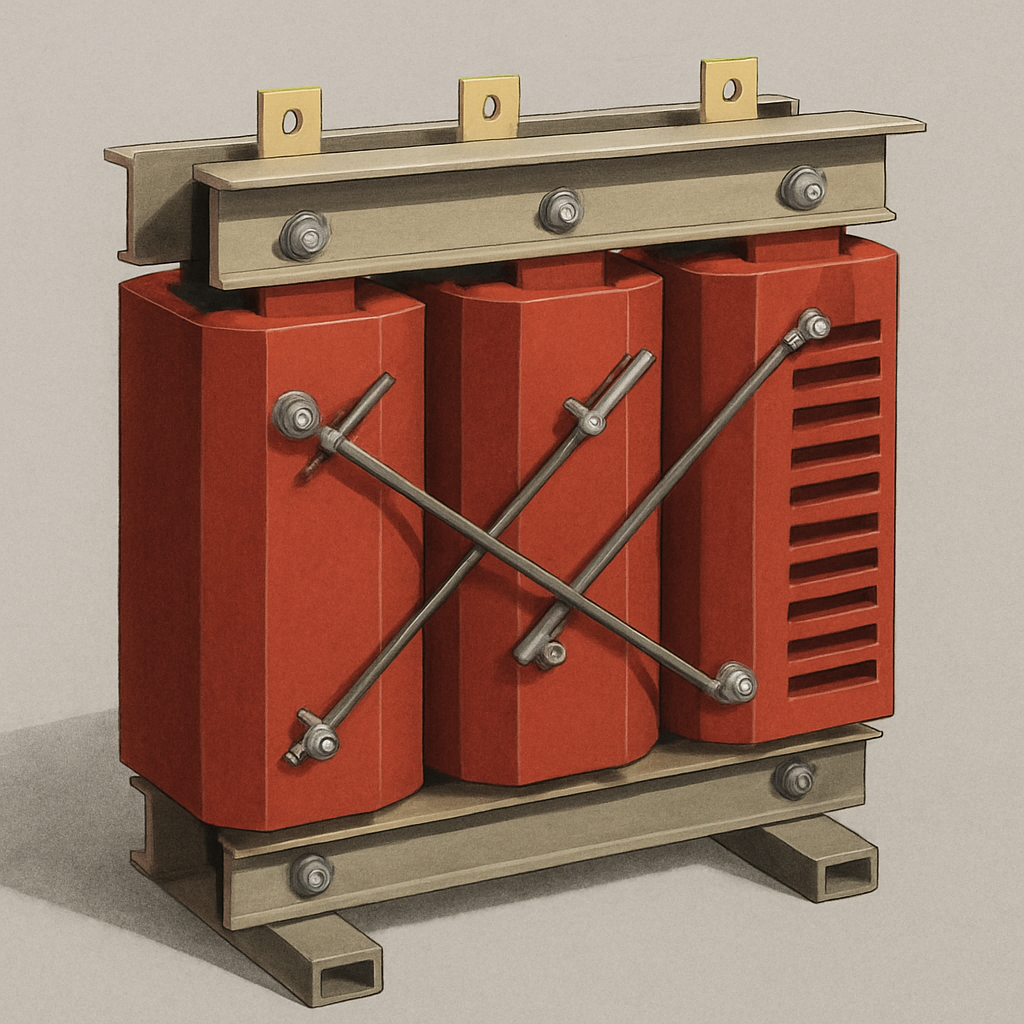
Dry-type transformers are designed without liquid insulation and rely on air for cooling. They are widely used in areas where fire safety is a concern, such as commercial buildings, schools, and hospitals. Unlike their oil-filled counterparts, dry-type transformers use air as a cooling medium, which makes them inherently safer and easier to maintain.
Why Cooling is Important
Heat is a natural byproduct of electrical resistance. Without proper cooling, a transformer can overheat, leading to reduced efficiency, potential failure, and even safety hazards. Cooling not only preserves the lifespan of a transformer but also ensures it operates efficiently.
Basic Cooling Techniques
Natural Air Ventilation
One of the simplest methods of cooling a dry-type transformer is through natural air ventilation. This method relies on the natural circulation of air around the transformer. As the transformer heats up, hot air rises and is replaced by cooler air from the surroundings. This process helps to dissipate heat without the need for any mechanical devices.
While natural ventilation is cost-effective and requires minimal maintenance, its efficiency largely depends on the ambient temperature and the transformer’s location. In environments with limited airflow, alternative cooling methods may be necessary.

Forced Air Cooling
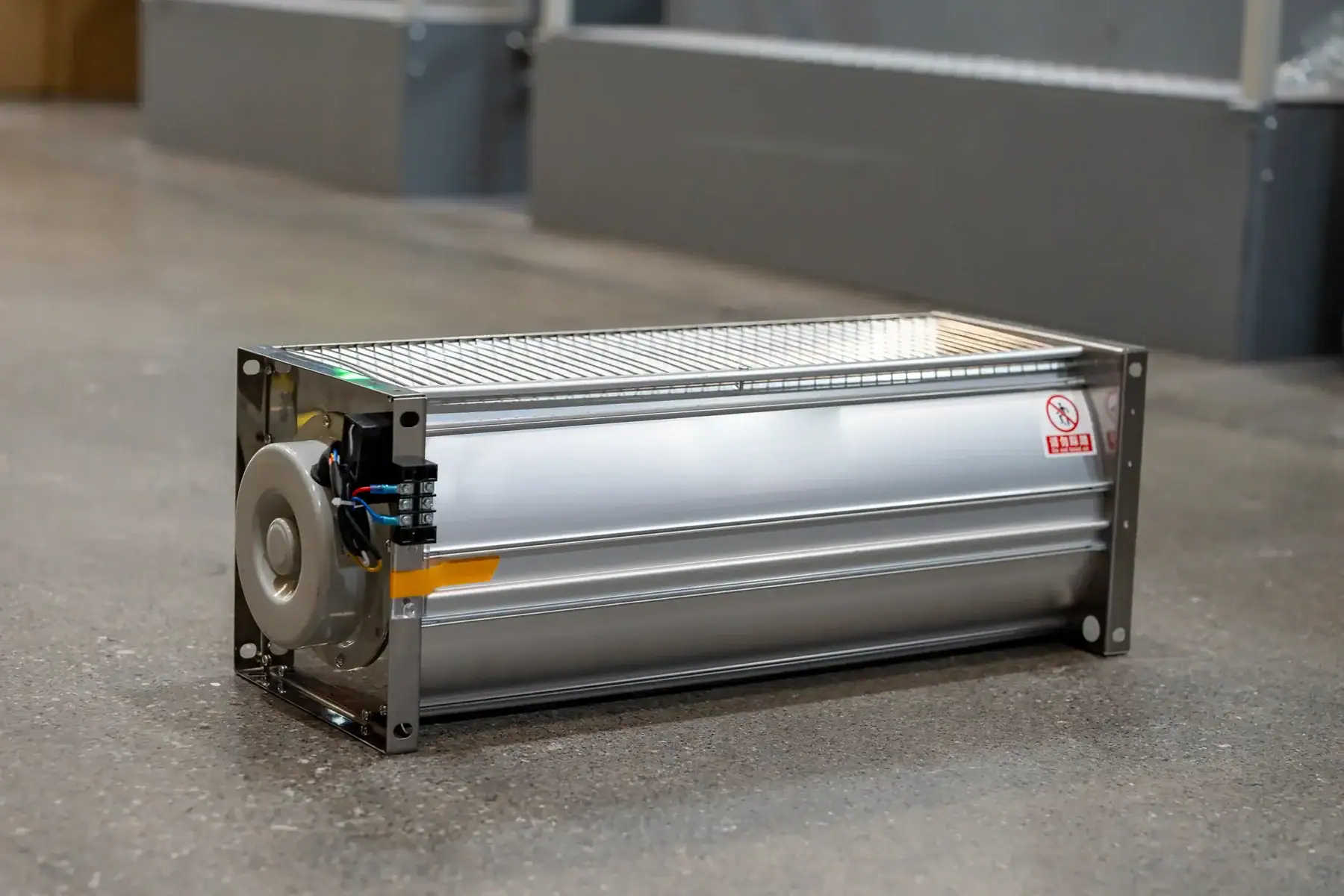
Forced air cooling, or air forced (AF) cooling, involves using fans to enhance air circulation around the transformer. This method is more effective than natural ventilation as it increases the rate of heat dissipation. Fans are strategically placed to direct airflow over the transformer’s coils and core, maximizing cooling efficiency.
Forced air cooling is particularly useful in high-capacity transformers or in situations where ambient temperatures are high. Although it requires additional equipment and energy, the benefits of improved cooling can outweigh the costs.
Advanced Cooling Methods
Cast Resin Transformer Cooling
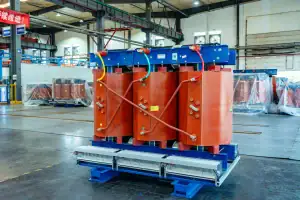
Cast resin transformers are a type of dry-type transformer that uses epoxy resin for insulation. This construction provides excellent thermal conductivity and allows for efficient heat dissipation. Cast resin transformers often incorporate built-in ventilation channels to facilitate airflow and enhance cooling.
Additionally, cast resin transformers can be combined with forced air systems to further improve their cooling capacity. By integrating these methods, cast resin transformers can maintain optimal operating temperatures even under demanding conditions.
Air Cooled Transformer Systems
Air-cooled transformer systems utilize ambient air to cool the transformer without the need for liquid cooling agents. These systems can be further enhanced with advanced technologies like air-to-air heat exchangers. These exchangers use external air to cool the internal air circulating within the transformer, effectively removing heat and maintaining stable operating conditions.
The advantage of air-cooled systems lies in their environmental friendliness and ease of maintenance. They eliminate the need for oil changes and reduce the risk of leaks, making them a popular choice for sensitive installations.
Specialized Cooling Technologies
AN AF Cooling System
The AN AF (Air Natural/Air Forced) cooling system is a hybrid approach combining natural ventilation and forced air cooling. In this system, natural air circulation is supplemented with fans that activate when the transformer reaches a certain temperature. This dual approach ensures efficient cooling without excessive energy consumption.
AN AF systems are particularly beneficial for transformers that experience variable loads. The system remains energy-efficient during low-load conditions while providing additional cooling when needed.

Transformer Heat Dissipation Techniques
Heat dissipation in transformers can be further enhanced by using materials with high thermal conductivity and designing transformers with optimal surface area for heat exchange. Advanced modeling and simulation techniques can predict heat distribution within the transformer, allowing engineers to design more efficient cooling systems.
Additionally, innovations such as thermally conductive coatings and enhanced heat sink designs are being explored to improve heat dissipation in dry-type transformers.
Choosing the Right Cooling Method
When selecting a cooling method for a dry-type transformer, several factors must be considered:
- Load Capacity: High-capacity transformers generate more heat and may require forced air or advanced cooling systems.
- Ambient Conditions: In hot or confined spaces, enhanced cooling methods are necessary.
- Installation Environment: Fire safety requirements and maintenance capabilities can influence the choice of cooling method.
Conclusion
Efficient cooling is vital for the performance and longevity of dry-type transformers. From basic ventilation techniques to advanced cooling systems, there are various methods to ensure transformers remain within safe operating temperatures. By understanding and implementing effective cooling strategies, you can optimize transformer efficiency, reduce operational costs, and enhance safety in electrical systems.
In the ever-evolving landscape of electrical engineering, staying informed about the latest cooling technologies and best practices will ensure your transformers operate at their best, safeguarding your investments and supporting sustainable energy solutions.