

Imagina un mundo donde tu hogar, tu lugar de trabajo y tu vida diaria se ven constantemente interrumpidos por cortes de luz. En la sociedad actual, tan dependiente de la electricidad, un suministro eléctrico estable y eficiente es fundamental. Detrás de esta fiabilidad se encuentran los fabricantes de transformadores eléctricos, la columna vertebral de los sistemas modernos de distribución de energía.
En este artículo, destacamos cómo los principales fabricantes de transformadores están transformando la industria a través del diseño de transformadores energéticamente eficientes, la tecnología de redes inteligentes y las prácticas de fabricación sostenibles, garantizando así un suministro eléctrico fiable para el futuro.

Evolución de los transformadores eléctricos: De la innovación a la necesidad
El desarrollo de los transformadores eléctricos se remonta a finales del siglo XIX, cuando los sistemas de corriente alterna (CA) revolucionaron la transmisión de electricidad. Las primeras innovaciones en transformadores con núcleo de hierro permitieron... distribución de energía a larga distancia con una mínima pérdida de energía.
Con el tiempo, se produjeron avances como:
- núcleos laminados
- Sistemas de refrigeración sumergidos en aceite
- Tecnologías de aislamiento mejoradas
Han mejorado significativamente su rendimiento y durabilidad.
Hoy en día, los transformadores modernos incorporar sistemas de monitoreo digital, Sensores IoT y regulación automática de voltaje, que permiten diagnósticos en tiempo real y mantenimiento predictivo: características clave que ofrecen los principales fabricantes de transformadores eléctricos.
Innovaciones en el diseño de transformadores para la eficiencia energética
A medida que aumenta la demanda mundial de electricidad, mejorar la eficiencia de los transformadores se ha convertido en una prioridad absoluta. Los transformadores modernos de alta eficiencia energética utilizan materiales y tecnologías avanzadas, entre las que se incluyen:
- Núcleos de metal amorfo para reducir las pérdidas en vacío.
- Acero al silicio de alta calidad para un mejor rendimiento magnético.
- Transformadores inteligentes con sistemas de monitorización habilitados para IoT.
- Cambiadores de tomas bajo carga (OLTC) para regulación dinámica de voltaje
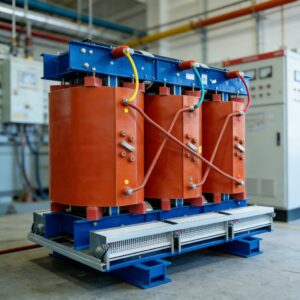
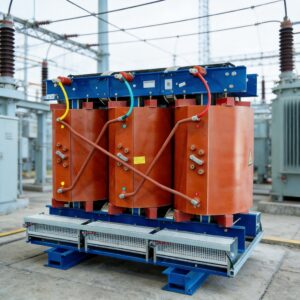
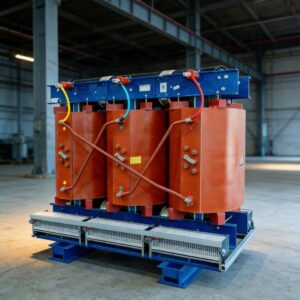
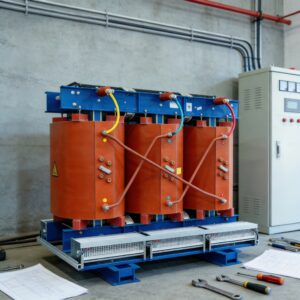
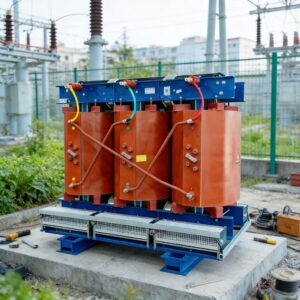
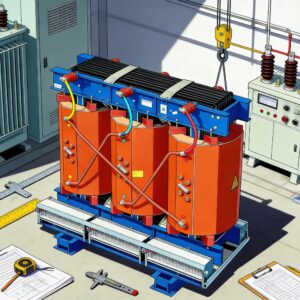
Además, las innovaciones en transformadores de tipo seco y sistemas de refrigeración por aire reducen los riesgos ambientales al tiempo que mejoran la seguridad en aplicaciones urbanas e industriales.
Estos avances contribuyen a reducir el consumo de energía, disminuir los costos operativos y respaldar una infraestructura energética sostenible.
Prácticas de fabricación de transformadores sostenibles
La sostenibilidad es ahora un aspecto fundamental para los fabricantes de transformadores. Las empresas líderes están adoptando soluciones de transformadores ecológicas mediante:
- Utilizar materiales reciclables y con bajas emisiones de carbono.
- Implementar fluidos aislantes biodegradables, como ésteres naturales.
- Reducción de residuos mediante procesos de fabricación circulares.
- Suministrar energía a las fábricas con fuentes de energía renovables.
Los diseños de transformadores ligeros y modulares también contribuyen a reducir las emisiones del transporte, en consonancia con los objetivos mundiales de reducción de carbono.
El papel de los transformadores avanzados en las redes eléctricas globales

Los transformadores modernos desempeñan un papel fundamental en los sistemas de transmisión y distribución de energía, garantizando la estabilidad de la tensión y la fiabilidad de la red eléctrica.
Las aplicaciones clave incluyen:
- Sistemas de transmisión de alta tensión para la transferencia de energía a larga distancia.
- Integración de energías renovables en centrales solares y eólicas.
- Redes y subestaciones inteligentes para la gestión de la energía en tiempo real.
- La infraestructura de carga de vehículos eléctricos (VE) requiere una conversión de energía estable.
- Microrredes para sistemas energéticos remotos y descentralizados
Los transformadores avanzados permiten un flujo de energía eficiente, reducen las pérdidas y apoyan la transición hacia un ecosistema energético inteligente y sostenible.
PREGUNTAS FRECUENTES
¿A qué se dedica un fabricante de transformadores eléctricos?
Un fabricante de transformadores eléctricos diseña y produce transformadores que se utilizan para convertir los niveles de voltaje en los sistemas de transmisión y distribución de energía, garantizando así un suministro de electricidad eficiente y seguro.
¿Cuáles son los principales tipos de transformadores?
Los tipos más comunes incluyen:
- Transformadores de potencia
- Transformadores de distribución
- Transformadores de tipo seco
- Transformadores en aceite
- transformadores inteligentes
Cada tipo está diseñado para aplicaciones específicas en entornos industriales, comerciales o residenciales.
¿Por qué son importantes los transformadores de bajo consumo energético?
Los transformadores de alta eficiencia energética reducen las pérdidas de energía durante la transmisión, disminuyen los costos operativos y ayudan a minimizar el impacto ambiental, lo que los convierte en elementos esenciales para los sistemas energéticos sostenibles.
¿Qué es un transformador inteligente?
Un transformador inteligente integra sistemas digitales de monitorización, sensores y comunicación para proporcionar datos en tiempo real, lo que permite un mantenimiento predictivo y una mayor estabilidad de la red eléctrica.
¿Cómo contribuyen los transformadores a la energía renovable?
Los transformadores ajustan los niveles de voltaje para los sistemas de energía solar y eólica, garantizando una integración estable en la red eléctrica y una distribución eficiente de la energía.
Conclusión: Impulsando el futuro de la energía
Los transformadores eléctricos han evolucionado desde simples dispositivos hasta convertirse en sistemas altamente avanzados, esenciales para la infraestructura moderna. Los principales fabricantes de transformadores eléctricos siguen innovando con tecnologías inteligentes, diseños de alta eficiencia energética y prácticas sostenibles, garantizando así un suministro eléctrico fiable para industrias y comunidades de todo el mundo.
A medida que crece la demanda mundial de energía y se acelera la adopción de energías renovables, los transformadores seguirán siendo un elemento fundamental de una red eléctrica resiliente y preparada para el futuro.

 English
 Français
 Español
 Deutsch