

Imaginez un monde où votre maison, votre lieu de travail et votre vie quotidienne sont constamment perturbés par des coupures de courant. Dans notre société actuelle, fortement dépendante de l'électricité, un approvisionnement stable et efficace est essentiel. Derrière cette fiabilité se cachent les fabricants de transformateurs électriques, véritables piliers des réseaux modernes de distribution d'énergie.
Dans cet article, nous mettons en lumière comment les principaux fabricants de transformateurs transforment l'industrie grâce à une conception de transformateurs écoénergétique, à la technologie des réseaux intelligents et à des pratiques de fabrication durables, garantissant ainsi un approvisionnement énergétique fiable pour l'avenir.

Évolution des transformateurs électriques : de l'innovation à la nécessité
Le développement des transformateurs électriques remonte à la fin du XIXe siècle, lorsque les systèmes à courant alternatif (CA) ont révolutionné le transport de l'électricité. Les premières innovations en matière de transformateurs à noyau de fer ont permis distribution d'énergie à longue distance avec une perte d'énergie minimale.
Au fil du temps, des progrès tels que :
- Noyaux stratifiés
- Systèmes de refroidissement à immersion dans l'huile
- Technologies d'isolation améliorées
ont considérablement amélioré leurs performances et leur durabilité.
Aujourd'hui, les transformateurs modernes intégrer des systèmes de surveillance numérique, capteurs IoT et régulation automatisée de la tension, permettant des diagnostics en temps réel et une maintenance prédictive — des fonctionnalités clés offertes par les principaux fabricants de transformateurs électriques.
Innovations dans la conception des transformateurs pour une meilleure efficacité énergétique
Face à la demande mondiale croissante d'électricité, l'amélioration du rendement des transformateurs est devenue une priorité absolue. Les transformateurs modernes à haut rendement énergétique utilisent des matériaux et des technologies de pointe, notamment :
- Noyaux métalliques amorphes pour réduire les pertes à vide
- Acier au silicium de haute qualité pour de meilleures performances magnétiques
- Transformateurs intelligents avec systèmes de surveillance compatibles IoT
- Changeurs de prises en charge (OLTC) pour la régulation dynamique de la tension
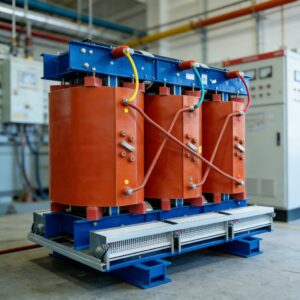
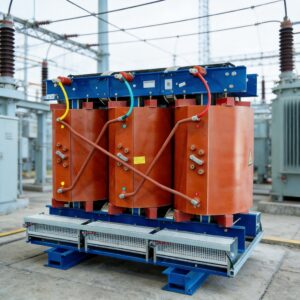
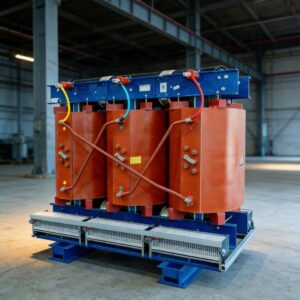
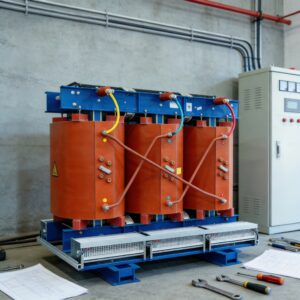
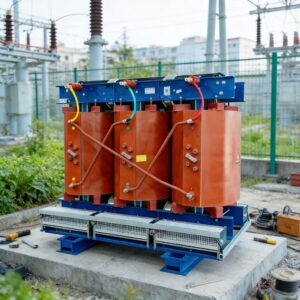
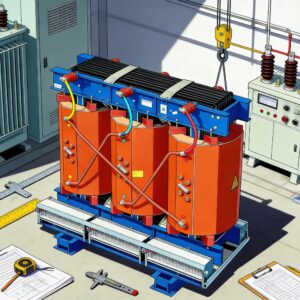
De plus, les innovations en matière de transformateurs secs et de systèmes refroidis par air réduisent les risques environnementaux tout en améliorant la sécurité dans les applications urbaines et industrielles.
Ces avancées contribuent à réduire la consommation d'énergie, à abaisser les coûts d'exploitation et à soutenir une infrastructure énergétique durable.
Pratiques de fabrication durables pour les transformateurs
Le développement durable est désormais au cœur des préoccupations des fabricants de transformateurs. Les entreprises leaders adoptent des solutions de transformateurs écologiques en :
- Utilisation de matériaux recyclables et à faible empreinte carbone
- Mise en œuvre de fluides isolants biodégradables, tels que les esters naturels
- Réduire les déchets grâce aux processus de fabrication circulaires
- Alimenter les usines avec des sources d'énergie renouvelables
La conception légère et modulaire des transformateurs contribue également à réduire les émissions liées au transport, conformément aux objectifs mondiaux de réduction des émissions de carbone.
Rôle des transformateurs avancés dans les réseaux électriques mondiaux

Les transformateurs modernes jouent un rôle essentiel dans les systèmes de transport et de distribution d'électricité, garantissant la stabilité de la tension et la fiabilité du réseau.
Les principales applications comprennent :
- Systèmes de transport à haute tension pour le transfert d'énergie sur de longues distances
- Intégration des énergies renouvelables dans les centrales solaires et éoliennes
- Réseaux et sous-stations intelligents pour la gestion de l'énergie en temps réel
- L'infrastructure de recharge des véhicules électriques (VE) nécessite une conversion de puissance stable
- Micro-réseaux pour les systèmes énergétiques isolés et décentralisés
Les transformateurs de pointe permettent un flux d'énergie efficace, réduisent les pertes et soutiennent la transition vers un écosystème énergétique intelligent et durable.
FAQ
Que fait un fabricant de transformateurs électriques ?
Un fabricant de transformateurs électriques conçoit et produit des transformateurs utilisés pour convertir les niveaux de tension dans les systèmes de transport et de distribution d'électricité, garantissant ainsi une distribution d'électricité efficace et sûre.
Quels sont les principaux types de transformateurs ?
Les types courants comprennent :
- Transformateurs de puissance
- Transformateurs de distribution
- Transformateurs à sec
- Transformateurs immergés dans l'huile
- transformateurs intelligents
Chaque type est conçu pour des applications spécifiques dans des environnements industriels, commerciaux ou résidentiels.
Pourquoi les transformateurs à haut rendement énergétique sont-ils importants ?
Les transformateurs à haut rendement énergétique réduisent les pertes de puissance lors du transport, diminuent les coûts d'exploitation et contribuent à minimiser l'impact environnemental, ce qui les rend essentiels pour les systèmes énergétiques durables.
Qu'est-ce qu'un transformateur intelligent ?
Un transformateur intelligent intègre la surveillance numérique, des capteurs et des systèmes de communication pour fournir des données en temps réel, permettant une maintenance prédictive et une meilleure stabilité du réseau.
Comment les transformateurs contribuent-ils au soutien des énergies renouvelables ?
Les transformateurs ajustent les niveaux de tension des systèmes d'énergie solaire et éolienne, assurant ainsi une intégration stable au réseau électrique et une distribution d'énergie efficace.
Conclusion : Façonner l'avenir de l'énergie
Les transformateurs électriques, autrefois de simples dispositifs, sont devenus des systèmes de pointe indispensables aux infrastructures modernes. Les principaux fabricants de transformateurs électriques continuent d'innover grâce à des technologies intelligentes, des conceptions écoénergétiques et des pratiques durables, garantissant ainsi un approvisionnement énergétique fiable aux industries et aux collectivités du monde entier.
Face à la croissance de la demande énergétique mondiale et à l'accélération de l'adoption des énergies renouvelables, les transformateurs resteront au cœur d'un réseau électrique résilient et adapté à l'avenir.

 English
 Français
 Español
 Deutsch