
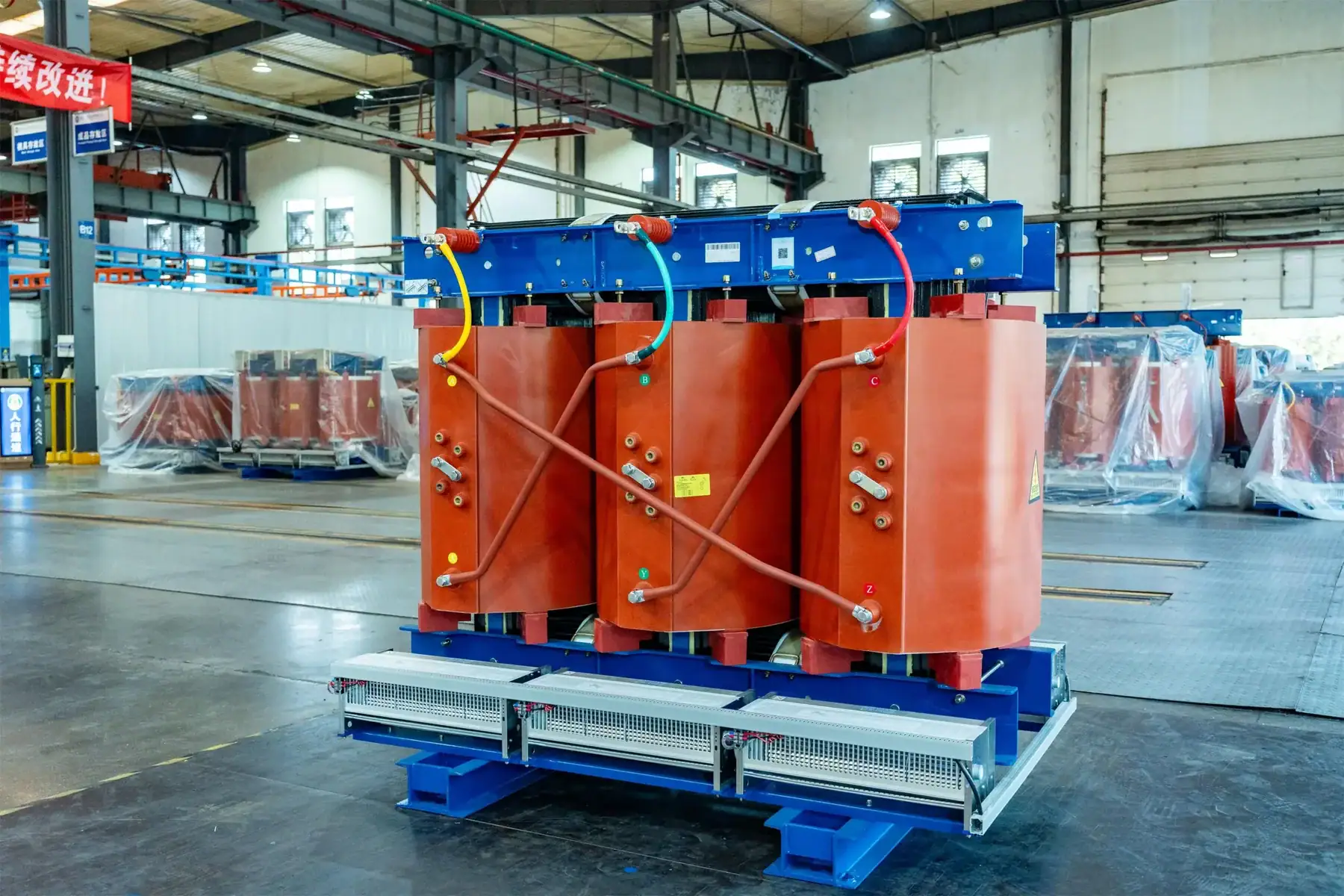
Les transformateurs jouent un rôle essentiel dans les systèmes électriques, en ajustant les niveaux de tension pour faciliter une distribution efficace de l'énergie. Parmi la myriade de types de transformateurs, les transformateurs à sec se sont imposés comme un choix populaire en raison de leurs avantages distincts et de leurs applications polyvalentes. Cet article examine les avantages des transformateurs à sec, les compare aux transformateurs à huile et souligne les raisons pour lesquelles ils pourraient constituer le meilleur choix pour vos besoins spécifiques.
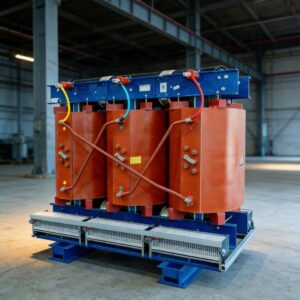
Les transformateurs à sec se distinguent par l'utilisation de l'air comme moyen de refroidissement, contrairement aux transformateurs à huile qui utilisent de l'huile. Cette différence de conception fondamentale offre une série d'avantages, notamment en termes de sécurité et de respect de l'environnement.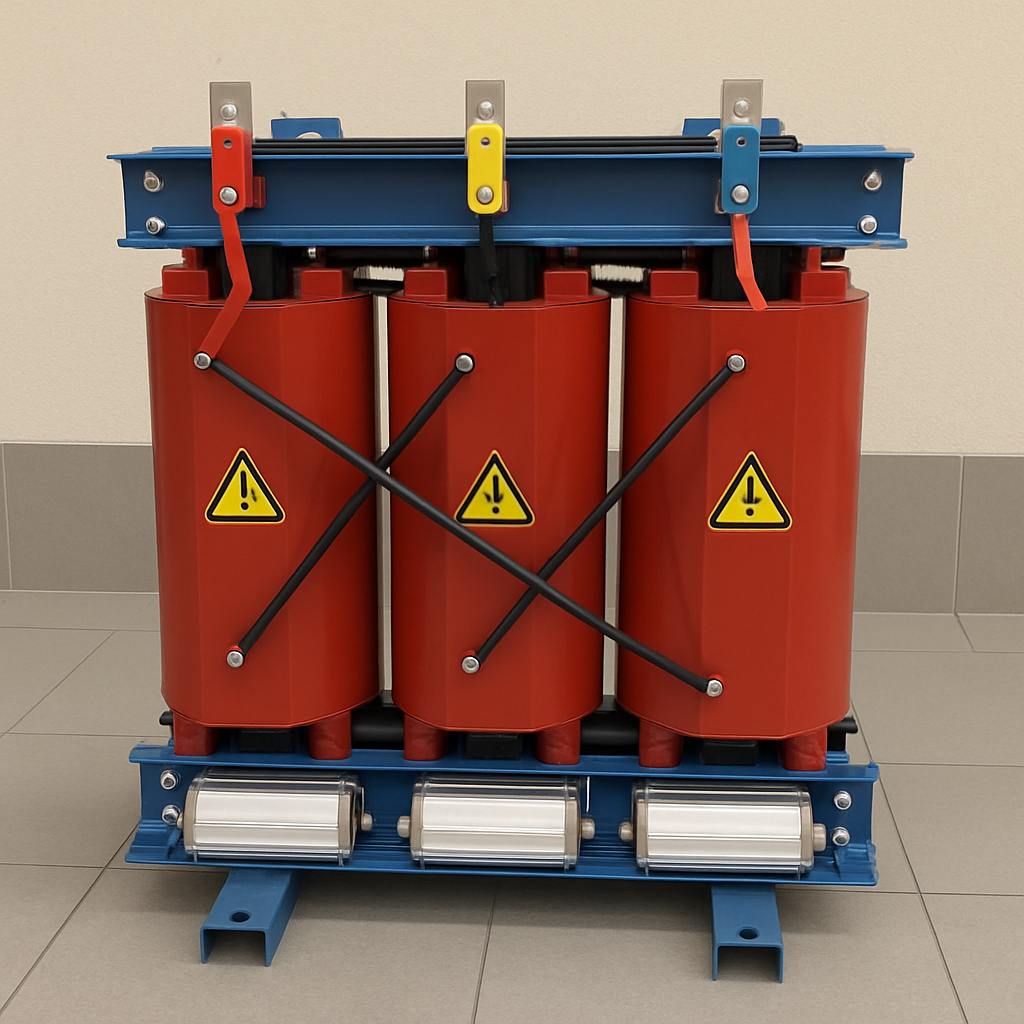
Efficacité du refroidissement par air
L'utilisation de l'air comme moyen de refroidissement dans transformateurs à sec élimine le besoin d'huile, réduisant ainsi le risque de fuites et de déversements. Cette méthode de refroidissement par air permet une dissipation efficace de la chaleur, garantissant ainsi la sécurité de l'utilisateur. le transformateur fonctionne de manière optimale même dans des conditions de température variables. De plus, l'absence d'huile signifie qu'il n'y a pas besoin de systèmes complexes de contrôle de l'huile, ce qui simplifie les routines d'entretien.
La sécurité d'abord : Sécurité des transformateurs à sec
La sécurité est une priorité absolue avantage des transformateurs de type sec. Sans huile, il n'y a pas de risque de fuite d'huile, qui peut entraîner des incendies ou une contamination de l'environnement. La sécurité s'en trouve considérablement renforcée, ce qui fait des transformateurs à sec la solution idéale pour les installations intérieures ou les zones soumises à des réglementations strictes en matière de sécurité. En outre, l'absence d'huile réduit le risque d'incidents dangereux, ce qui fait de ces transformateurs un choix plus sûr pour les zones densément peuplées ou sensibles du point de vue de l'environnement.
Impact environnemental et durabilité
Les transformateurs à sec sont plus respectueux de l'environnement en raison de leur fonctionnement sans huile. En éliminant le risque de contamination du sol et de l'eau par l'huile, ils favorisent les pratiques durables. Cet aspect est particulièrement important pour les installations situées à proximité d'écosystèmes sensibles ou dans des régions où les réglementations environnementales sont strictes. Leur conception respectueuse de l'environnement contribue aux objectifs de développement durable des entreprises, qui s'engagent à réduire leur empreinte carbone.
Avantages des transformateurs à sec
Les transformateurs à sec offrent de nombreux avantages qui en ont fait un choix privilégié dans de nombreux secteurs d'activité. Approfondissons ces avantages pour en comprendre l'intérêt.
Respectueux de l'environnement et efficace
Les transformateurs à sec constituent une alternative durable aux transformateurs à huile, le refroidissement par air éliminant le risque de déversement d'huile. Ils conviennent donc parfaitement aux entreprises soucieuses de l'environnement et aux installations situées dans des zones sensibles sur le plan écologique. En outre, leur conception contribue à réduire l'empreinte carbone, ce qui va dans le sens des efforts mondiaux en matière de développement durable.
Ces transformateurs sont reconnus pour leur efficacité. L'absence d'huile réduit le risque de surchauffe, ce qui leur permet de fonctionner efficacement même dans des conditions difficiles. Cette efficacité se traduit par des économies d'énergie et une réduction des coûts d'exploitation au fil du temps, ce qui en fait un choix économiquement judicieux pour les entreprises qui cherchent à optimiser leur consommation d'énergie.
Fonctionnement sans entretien
L'une des principales caractéristiques des transformateurs à sec est leur faible besoin de maintenance. Contrairement aux transformateurs remplis d'huile qui nécessitent des contrôles et des vidanges d'huile réguliers, Les transformateurs de type sec sont pratiquement sans entretien. Cela permet de réduire considérablement les temps d'arrêt et les coûts de maintenance associés, offrant ainsi aux entreprises une plus grande disponibilité et moins d'interruptions. Cette fiabilité est particulièrement avantageuse dans les applications critiques où un fonctionnement continu est essentiel.
Durabilité et longévité accrues
Les transformateurs à sec sont conçus pour résister à des environnements difficiles et à des conditions éprouvantes. Leur résistance à la poussière, à l'humidité et à la corrosion accroît leur longévité par rapport à leurs homologues remplis d'huile. Cette durabilité garantit des performances constantes pendant de nombreuses années, réduisant ainsi le besoin de remplacements fréquents. Leur construction robuste en fait un choix fiable pour les installations dans des zones sujettes à des défis environnementaux.
Polyvalence des applications
Les transformateurs à sec sont très polyvalents et conviennent à un large éventail d'applications. Leur conception robuste leur permet d'être installés à l'intérieur, notamment dans les bâtiments commerciaux et les installations industrielles, où la sécurité et la fiabilité sont cruciales. En outre, grâce à leurs caractéristiques de sécurité améliorées, ils sont idéaux pour les lieux où les exigences en matière de sécurité incendie sont élevées, comme les écoles et les hôpitaux.
Comparaison entre les transformateurs à sec et les transformateurs à huile
Lorsqu'il s'agit de choisir entre un transformateur à sec et un transformateur à huile, il est essentiel de prendre en compte les points forts et les limites de chaque type de transformateur pour prendre une décision en connaissance de cause.
Avantages et inconvénients des transformateurs à sec
Alors que le type sec offre de transformateurs Bien qu'ils présentent de nombreux avantages, ils comportent également certaines limites. Examinons une comparaison détaillée :
Avantages :
- Sécurité accrue sans risque de fuite d'huile ou d'incendie, pour une plus grande tranquillité d'esprit dans les installations sensibles.
- Fonctionnement écologique, éliminant l'utilisation d'huile et la contamination potentielle de l'environnement.
- Faibles exigences en matière de maintenance, ce qui permet de réduire les coûts d'exploitation et d'accroître l'efficacité.
- Durabilité et fiabilité dans des conditions difficiles, garantissant des performances à long terme et des besoins de remplacement réduits.
Inconvénients :
- Les coûts initiaux sont généralement plus élevés que ceux des transformateurs à bain d'huile, ce qui peut avoir une incidence sur les décisions budgétaires initiales.
- Dans certaines applications spécifiques, ils peuvent présenter une efficacité légèrement inférieure, mais celle-ci est souvent compensée par leurs autres avantages.
Transformateurs à sec ou à huile : Lequel vous convient le mieux ?

Le choix entre les transformateurs à sec et les transformateurs à huile dépend de plusieurs facteurs, notamment de vos exigences particulières, de vos contraintes budgétaires et de l'environnement d'installation. Pour les installations intérieures ou les zones soumises à des exigences de sécurité strictes, les transformateurs à sec offrent des caractéristiques de sécurité accrues et une grande tranquillité d'esprit. Toutefois, si le coût initial est une préoccupation majeure, les transformateurs à huile peuvent s'avérer plus économiques au départ, bien qu'ils puissent entraîner des dépenses d'entretien plus élevées au fil du temps en raison des besoins en matière de gestion de l'huile.
Le rapport coût-efficacité dans le temps
Si les transformateurs à sec peuvent avoir un coût initial plus élevé, leur rentabilité à long terme dépasse souvent celle des transformateurs à huile. La réduction de la maintenance et l'augmentation de l'efficacité peuvent conduire à des économies significatives sur la durée de vie du transformateur. Lors de l'évaluation des coûts, il est essentiel de prendre en compte le coût total de possession, y compris les économies potentielles liées à la réduction de la maintenance et à l'amélioration de la fiabilité.
Applications des transformateurs à sec
Les transformateurs à sec sont exceptionnellement polyvalents et conviennent donc à un large éventail d'applications. Leur conception robuste et leurs caractéristiques de sécurité les rendent particulièrement adaptés pour :
Installations intérieures
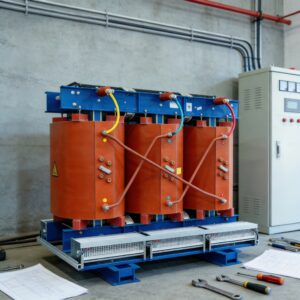
Les transformateurs à sec sont idéaux pour les environnements intérieurs tels que les bâtiments commerciaux, les installations industrielles et les complexes résidentiels à haute densité. Grâce à leurs caractéristiques de sécurité améliorées, ils peuvent être installés dans des zones où les exigences en matière de sécurité sont strictes, sans compromettre les performances.
Zones sensibles sur le plan environnemental
Dans les endroits où la protection de l'environnement est une priorité, comme à proximité d'étendues d'eau ou dans les zones de conservation, les transformateurs de type sec sont le meilleur choix. Leur conception sans huile élimine le risque de contamination de l'environnement, ce qui est conforme aux objectifs de développement durable et aux exigences réglementaires.
Zones où les exigences en matière de sécurité incendie sont élevées
Les écoles, les hôpitaux et les bâtiments publics soumis à des exigences élevées en matière de sécurité incendie bénéficient de la sécurité accrue des transformateurs de type sec. Leur fonctionnement sans huile réduit les risques d'incendie, offrant une alternative plus sûre pour ces environnements critiques.
Conditions environnementales difficiles
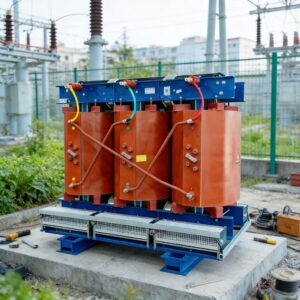
Les transformateurs à sec sont conçus pour résister à des conditions environnementales difficiles, notamment à une humidité élevée, à la poussière et à des éléments corrosifs. Ils conviennent donc aux installations dans des environnements difficiles et garantissent des performances fiables malgré les conditions défavorables.
Conclusion : Pourquoi choisir les transformateurs à sec ?
En conclusion, les transformateurs à sec présentent une multitude d'avantages qui en font un excellent choix pour diverses applications. Leur sécurité inhérente, leur efficacité et leur faible besoin de maintenance en font une option intéressante pour les entreprises qui cherchent à optimiser leurs opérations et à minimiser l'impact sur l'environnement.
Que vous planifiez une nouvelle installation ou que vous modernisiez un système existant, les transformateurs à sec offrent la fiabilité et les performances nécessaires pour alimenter vos opérations de manière efficace. Grâce à leur durabilité accrue et à leur conception respectueuse de l'environnement, ils constituent un choix judicieux pour ceux qui privilégient la sécurité, la durabilité et la valeur à long terme. En optant pour des transformateurs à sec, vous investissez dans une solution qui favorise l'excellence opérationnelle et la gestion de l'environnement.

 English
 Français
 Español
 Deutsch