What Are Dry Type Transformers
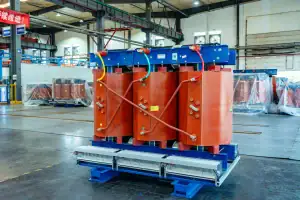
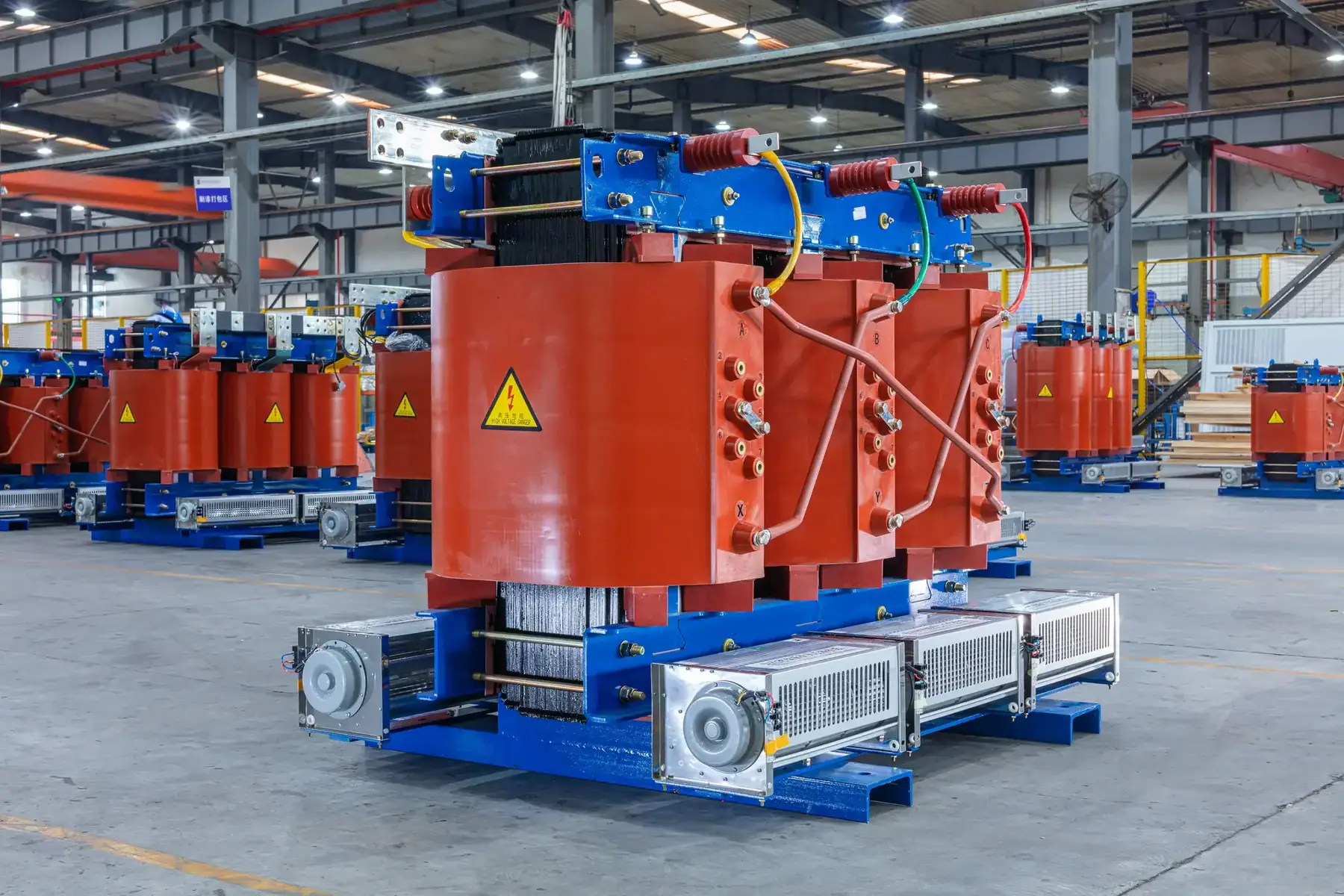
Dry-type transformers use air instead of liquid for cooling. They are typically used indoors and are known for their safety, low maintenance, and durability. This makes them particularly suitable for environments where fire safety is a top priority, as they eliminate the risk associated with liquid leaks. Furthermore, their robust design allows them to withstand harsh conditions while maintaining performance integrity over time.
The Importance of Managing Energy Losses
While they offer several advantages, they also encounter specific types of energy losses that can impact their efficiency. Understanding these losses is fundamental to improving operational efficacy and ensuring cost-effectiveness in the long run. Through strategic design and management, it’s possible to mitigate these losses, thereby enhancing the performance and longevity of the transformers.
Types of Transformer Losses
Understanding the various losses that occur in dry-type transformers is essential for optimizing their performance. These losses can be broadly classified into two categories: no-load losses and load losses. By dissecting these categories, we can pinpoint where inefficiencies arise and develop targeted solutions to address them.
No-Load Losses Explained
No-load losses, also known as core losses, occur when the transformer is energized but not delivering any load. These losses are primarily due to the alternating magnetic field in the transformer’s core. The efficiency of a transformer when no load is connected is a crucial metric, as it reflects the baseline energy consumption inherent in the system’s operation.
Hysteresis and Eddy Current Losses
Core loss is a significant contributor to no-load losses. It consists of hysteresis loss and eddy current loss. These two components are influenced by the properties of the core material and the design of the transformer.
Hysteresis Loss: This occurs due to the reversal of magnetism in the transformer’s core material. The energy required for this process results in hysteresis loss. The choice of core material with low hysteresis properties can greatly reduce this type of loss, leading to improved efficiency.
Eddy Current Loss: Eddy currents are loops of electrical current induced within the core by the changing magnetic field. These currents cause resistive heating and energy loss. Using core materials with high electrical resistivity can mitigate eddy current loss.
Load Losses and Copper Loss
Load losses, also known as copper losses, occur when the transformer is delivering power to the load. These losses are due to the resistance in the transformer’s windings. As power demand increases, so does the impact of load losses on overall efficiency.
Copper loss is caused by the resistance of the transformer windings. As current flows through the windings, some energy is lost as heat due to resistance. This loss increases with the square of the load current, making it more significant under heavier loads.
Factors Affecting Transformer Efficiency
Several factors impact the efficiency of dry-type transformers. Understanding these factors can help in optimizing transformer performance and reducing energy losses. These include material quality, design, and operating conditions.
Material Quality and Selection
The quality of materials used in the construction of a transformer affects its efficiency. High-quality core materials with low hysteresis and eddy current losses can significantly reduce no-load losses. Similarly, using copper with low resistivity for windings can minimize copper losses.
Design and Construction Optimization
The design and construction of the transformer also play a vital role in its efficiency. Factors such as core design, winding configuration, and insulation can influence energy losses. By leveraging innovative design techniques, manufacturers can create transformers that operate efficiently across a range of conditions.
Impact of Operating Conditions
Operating conditions such as temperature, load level, and voltage can affect transformer efficiency. Transformers operating near their maximum rated capacity tend to have higher losses. Matching transformer rating with load requirements helps maintain optimal efficiency.
Strategies to Minimize Transformer Losses
Minimizing losses in dry-type transformers involves a combination of selecting the right materials, optimizing design, and maintaining proper operating conditions.
1. Use High-Quality Materials
Choosing core materials with low hysteresis and eddy current losses can reduce no-load losses. Similarly, selecting winding materials with low resistance minimizes copper losses.
2. Optimize Transformer Design
Using advanced core designs, such as amorphous metal cores and optimized winding configurations, can reduce losses and enhance efficiency.
3. Conduct Regular Maintenance
Regular inspections, cleaning, and monitoring prevent energy loss and extend transformer lifespan.
4. Manage Load Effectively
Ensuring transformers operate within their rated capacity and implementing load balancing can reduce copper losses.
Conclusion
Understanding and minimizing losses in dry-type transformers is essential for optimizing performance and extending lifespan. By focusing on quality materials, innovative design, regular maintenance, and effective load management, significant efficiency improvements can be achieved. As industries move toward sustainability, efficient transformers play a vital role in energy conservation and long-term reliability.