

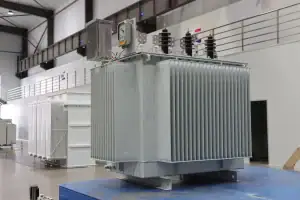
In an era where energy demands constantly shift and evolve, power transformers stand as silent yet pivotal sentinels of the electrical grid. Without much fanfare, they perform the crucial task of stepping voltage up or down, ensuring the seamless delivery of electricity from power plants to your home. But as the world moves towards greater sustainability and smarter technology, these unsung heroes are transforming their own. The future of power transformers is not just about keeping the lights on—it’s about doing so with unprecedented innovation and efficiency.
Imagine a world where power outages become relics of the past and where every joule of energy is transmitted with minimal loss. This is the promise of the next generation of power transformers. Incorporating cutting-edge materials and state-of-the-art technology, these new designs promise to enhance the stability and reliability of our power grids. As we delve deeper into this topic, we’ll explore how advancements in transformer technology are paving the way for a cleaner, more resilient energy future, redefining what we expect from power distribution systems and setting new standards for efficiency.

Evolution of Power Transformers: A Historical Overview
The journey of power transformers began in the late 19th century, shortly after the advent of alternating current (AC) systems championed by Nikola Tesla and George Westinghouse. Early transformers were rudimentary, relying on simple iron cores and basic windings. These devices quickly outpaced direct current (DC) systems pioneered by Thomas Edison, offering a more practical means of transmitting electricity over long distances. By stepping up voltage for efficient transmission and stepping it down for safe consumption, these first-generation transformers laid the groundwork for modern electrical grids.
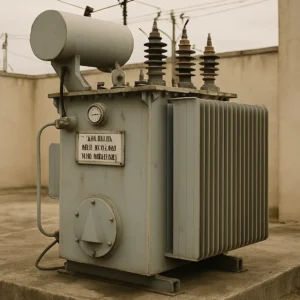
Throughout the early to mid-20th century, improvements in core materials and insulation techniques drove significant performance gains. Laminated steel cores reduced eddy current losses, while mineral oil became the standard dielectric medium for cooling and insulation. Manufacturers began experimenting with higher voltage ratings, accommodating the growing demand for industrial power and urban electrification. By the 1950s, transformer designs had become more robust, reliable, and capable of handling megawatt-scale loads.
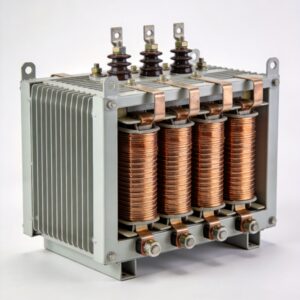
In recent decades, the rise of computer-aided design (CAD) and advanced manufacturing processes has further refined transformer efficiency and reliability. Modern power transformers incorporate precision-wound coils, optimized core geometries, and advanced insulating materials to minimize losses. Digital monitoring and control systems now allow real-time diagnostics, predictive maintenance, and automated fault detection. From humble iron-core prototypes to the sophisticated units of today, the evolution of power transformers reflects a continuous pursuit of efficiency, resilience, and technological innovation.
Sustainable Materials Revolutionizing Transformer Design
As environmental concerns take center stage, transformer manufacturers are exploring eco-friendly materials to reduce carbon footprints and enhance recyclability. Traditional mineral oil poses environmental risks in the event of leaks or spills, prompting the development of biodegradable dielectric fluids derived from vegetable oils or synthetic esters. These sustainable fluids not only offer comparable insulating properties but also boast better fire safety characteristics, aligning with stricter global regulations.
Beyond insulating media, innovations in core and winding materials are reshaping transformer sustainability. Amorphous metal alloys, with their disordered atomic structure, exhibit significantly lower core losses than conventional grain-oriented steel. Although amorphous-core transformers can be more costly upfront, their geringere Energieverluste over the operational lifetime translate into substantial environmental and economic benefits. Additionally, recycled steel and non-toxic insulating resins further minimize the ecological impact of transformer production and disposal.
Nanotechnology is also making inroads into transformer design. Nanofluid dielectric suspensions infused with metal oxide nanoparticles can enhance heat transfer, improve breakdown strength, and extend the lifespan of the insulating medium. By incorporating cutting-edge materials and processes, the transformer industry is embracing a new era of circular economy principles, ensuring that tomorrow’s power transformers are as green as they are efficient.
Smart Technology Integration in Next-Gen Transformers
Digitalization and connectivity are revolutionizing how power transformers operate within the grid. Gone are the days of purely passive equipment; today’s transformers are evolving into active, data-driven assets. Embedded sensors measure parameters such as temperature, oil moisture content, partial discharge, and load currents in real time. This continuous stream of data feeds advanced analytics platforms, enabling grid operators to make informed decisions and optimize asset performance.
Edge computing and cloud-based monitoring systems transform raw sensor readings into actionable insights. Machine learning algorithms detect anomalies, predict insulation breakdowns, and forecast maintenance needs long before faults occur. This predictive maintenance approach reduces unplanned downtime, extends transformer life, and lowers operational expenditures. Furthermore, digital twins—virtual replicas of physical transformers—allow engineers to simulate operating conditions, test upgrade scenarios, and fine-tune protection settings without disrupting live operations.
Communication protocols such as IEC 61850 facilitate seamless integration between transformers, substations, and control centers. By embracing IoT standards, next-generation power transformers become integral components of smart grid architectures. They support dynamic load balancing, islanding operations, and rapid fault isolation, enhancing grid resilience in the face of unpredictable renewable generation and fluctuating demand patterns.
Minimizing Energy Loss in Power Transmission
Energy losses in transformers primarily stem from core hysteresis, winding resistance, and stray flux. Historically, manufacturers have combated these losses by using high-grade, grain-oriented electrical steel and optimizing winding configurations. Modern developments push these efforts further, leveraging amorphous metal cores that can reduce no-load losses by up to 70 percent compared to conventional cores. Though initial investment costs are higher, the lifetime energy savings more than justify their adoption in critical applications.
Advanced conductor technologies also play a pivotal role in loss mitigation. Hollow conductors filled with insulating gas or advanced nanofluids enhance cooling efficiency, allowing for higher current densities without thermal degradation. Additionally, superconducting transformers—still emerging from research—promise near-zero resistance at cryogenic temperatures, potentially slashing winding losses to negligible levels. While broad commercialization remains on the horizon, experimental installations demonstrate the transformative potential of superconductivity for future grids.
Beyond individual transformer improvements, system-level strategies help minimize transmission losses. High-voltage direct current (HVDC) links bypass multiple AC transformers, reducing conversion losses over long distances. Flexible AC transmission systems (FACTS) optimize voltage profiles and reactive power flows, ensuring that each transformer operates within its most efficient range. By combining material innovations with comprehensive grid management, we edge closer to a transmission network where energy losses become a rare exception rather than an unavoidable rule.
Role of Power Transformers in Achieving Energy Efficiency Goals
Power transformers are linchpins in global efforts to decarbonize power systems and meet ambitious energy efficiency targets. By enabling efficient voltage conversion and minimizing transmission losses, transformers directly impact the carbon intensity of electricity delivered to end users. Governments and utilities worldwide are mandating stricter efficiency standards, prompting grid operators to replace aging units with state-of-the-art, low-loss transformers.
Integration of renewable energy sources—such as solar farms and offshore wind parks—relies heavily on adaptable transformer technology. Step-up transformers must accommodate variable generation profiles and withstand frequent voltage fluctuations, while step-down units at substations need to deliver stable power to dynamic loads. Innovative transformer designs featuring tap-changer automation and real-time control ensure that green energy flows seamlessly from source to consumer, maximizing the utilization of clean generation assets.
Microgrids and distributed energy resources present additional opportunities for transformer-driven efficiency gains. Compact, pad-mounted transformers paired with energy storage systems support localized voltage regulation and peak-shaving strategies. As demand response programs gain traction, intelligent transformers help orchestrate load shifting, reducing the need for carbon-intensive peaking plants. In this way, power transformers not only support the transition to renewable energy but also act as enablers of a smarter, more flexible energy ecosystem.
Conclusion: Shaping a Cleaner and More Efficient Energy Future
The trajectory of power transformers is clear: innovation and efficiency will define the next generation of grid infrastructure. From sustainable materials and digital intelligence to advanced core designs and loss-minimizing technologies, every facet of transformer development contributes to a greener energy landscape.
As utilities and manufacturers collaborate on research, deployment, and regulatory frameworks, we can expect fewer outages, lower emissions, and improved grid resilience. Ultimately, the evolution of power transformers will play a central role in achieving global energy efficiency goals, lighting the path toward a cleaner, more reliable power system for generations to come.

 English
 Français
 Español
 Deutsch