
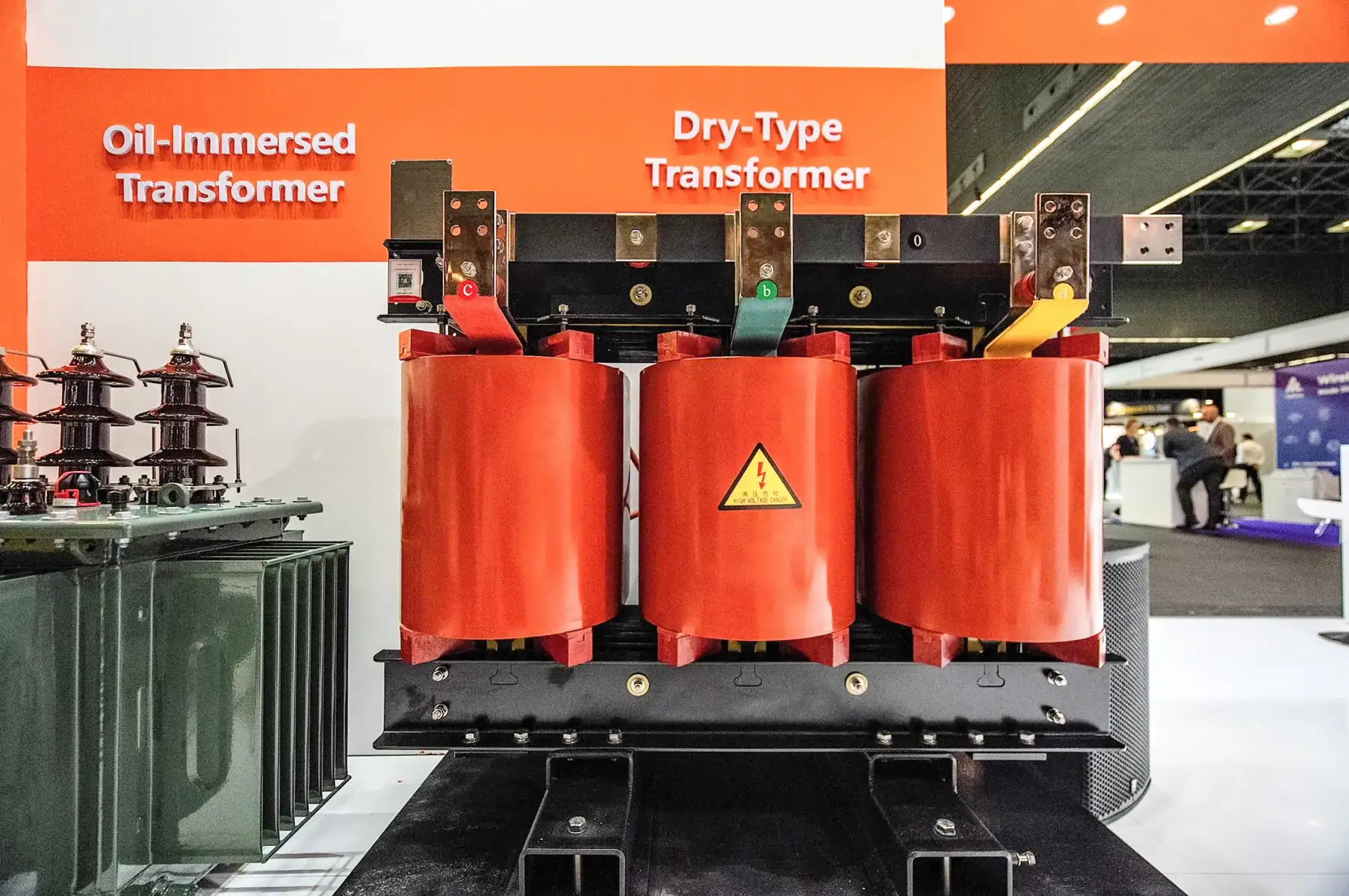
Was ist ein dreiphasiger Trockentransformator?
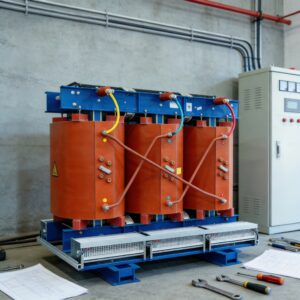
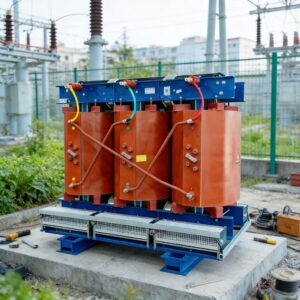
Ein dreiphasiger Trockentransformator ist ein Gerät zur Spannungsanpassung in dreiphasigen Stromnetzen. Er ist für Anwendungen konzipiert, die hohe Effizienz und geringe Brandgefahr erfordern.
Welche Vorteile bietet die Verwendung eines Trockentransformators?
Trockentransformatoren bieten geringere Wartungskosten und sind umweltfreundlich. Sie arbeiten ohne Öl, wodurch das Risiko von Leckagen und Brandgefahren reduziert wird.
Wie funktioniert ein dreiphasiger Trockentransformator?
Dieser Transformator nutzt isolierte Wicklungen zur Übertragung elektrischer Energie. Seine Konstruktion ist auf effektive Wärmeableitung ohne Kühlmittel optimiert.
Wo werden Trockentransformatoren üblicherweise eingesetzt?
Sie werden in industriellen, gewerblichen und privaten Anwendungen eingesetzt, insbesondere dort, wo Brandschutz von entscheidender Bedeutung ist. Ihre Langlebigkeit macht sie geeignet für raue Umgebungen.
Bei der Stromverteilung spielen Transformatoren eine entscheidende Rolle, wenn es darum geht, die Spannung nach oben oder unten anzupassen, um den Anforderungen verschiedener Anwendungen gerecht zu werden. Unter den verschiedenen Transformatorentypen gewinnen dreiphasige Trockentransformatoren insbesondere in industriellen Umgebungen zunehmend an Beliebtheit. Doch was genau sind diese Transformatoren, und warum sollten Sie ihren Einsatz in Betracht ziehen? In diesem Artikel werden wir die Vorteile von Dreiphasen-Trockentransformatoren und wie sie Ihrem Betrieb zugutekommen können.

Was ist ein dreiphasiger Trockentransformator?
Ein dreiphasiger Trockentransformator ist ein elektrischer Transformator, der ohne Flüssigkeitskühlung auskommt. Stattdessen wird die im Betrieb entstehende Wärme durch Luftzirkulation abgeführt. Dieser Transformatortyp ist in der Regel von einer soliden Isolierung umgeben und wird häufig in Innenräumen eingesetzt, wo Sicherheit und Zuverlässigkeit oberste Priorität haben.
Wie funktioniert ein Drehstromtransformator?
Dreiphasen-Transformatoren arbeiten nach dem Prinzip der elektromagnetischen Induktion. Sie bestehen aus drei Sätzen von Primär- und Sekundärwicklungen, die jeweils einer der drei Phasen entsprechen. Wenn Wechselstrom durch die Primärwicklungen fließt, entsteht ein Magnetfeld, das in den Sekundärwicklungen eine Spannung induziert. Durch diesen Vorgang kann der Transformator die Spannung je nach Bedarf erhöhen oder verringern.
Vorteile von dreiphasigen Trockentransformatoren

Erhöhte Sicherheit
Einer der Hauptvorteile von Trockentransformatoren ist ihr verbessertes Sicherheitsprofil. Da sie keine brennbaren Flüssigkeiten zur Kühlung verwenden, ist die Brandgefahr deutlich geringer. Dies macht sie zur idealen Wahl für Innenräume und beengte Platzverhältnisse, wie beispielsweise in Krankenhäusern, Schulen und Geschäftsgebäuden, wo Sicherheit oberste Priorität hat.
Umweltfreundlichkeit
Trockentransformatoren gelten im Vergleich zu ihren ölgefüllten Pendants als umweltfreundlicher. Sie schließen das Risiko von Ölaustritten aus, die zu Boden- und Wasserverschmutzungen führen können. Zudem verursachen sie weniger Lärmbelästigung, wodurch sie sich für städtische Gebiete eignen, in denen der Lärmpegel ein Problem darstellt.
Geringer Wartungsaufwand
Ein weiterer Vorteil von dreiphasigen Trockentransformatoren ist ihr geringer Wartungsaufwand. Da kein Öl überwacht und ausgetauscht werden muss, müssen diese Transformatoren seltener überprüft und gewartet werden. Dies kann über die gesamte Lebensdauer des Transformators zu Kosteneinsparungen und zu weniger Ausfallzeiten aufgrund von Wartungsarbeiten führen.
Langlebigkeit und Verlässlichkeit
Trockentransformatoren sind für ihre Langlebigkeit und Zuverlässigkeit bekannt. Sie sind so konstruiert, dass sie rauen Umgebungsbedingungen wie Feuchtigkeit, Staub und korrosiven Substanzen standhalten. Dadurch eignen sie sich besonders für den industriellen Einsatz, wo Anlagen oft anspruchsvollen Bedingungen ausgesetzt sind.
Kosten-Wirksamkeit
Zwar sind die Anschaffungskosten für einen dreiphasigen Trockentransformator möglicherweise höher als bei Öltransformatoren, doch können die langfristigen Kosteneinsparungen durch geringeren Wartungsaufwand und höhere Betriebseffizienz sie zu einer wirtschaftlichen Lösung machen. Ihre Energieeffizienz trägt zudem zu niedrigeren Stromrechnungen bei, was ihre Wirtschaftlichkeit weiter erhöht.
Anwendungsbereiche von Trockenbau-Dreiphasentransformatoren
Industrielle Nutzung
Dreiphasige Trockentransformatoren sind in der Industrie weit verbreitet. Dank ihrer Fähigkeit, hohe Lasten zu bewältigen und rauen Bedingungen standzuhalten, eignen sie sich ideal für Produktionsstätten, chemische Verarbeitungsanlagen und andere industrielle Anwendungen.
Kommerzielle Gebäude
In gewerblichen Gebäuden stehen Sicherheit und Zuverlässigkeit im Vordergrund. Trockentransformatoren kommen häufig in Einkaufszentren, Bürokomplexen und Hotels zum Einsatz, wo sie eine zuverlässige Stromverteilung gewährleisten, ohne dass die Gefahr von Ölaustritt oder Brandgefahr besteht.
Erneuerbare Energien
Mit der steigenden Nachfrage nach erneuerbaren Energiequellen wächst auch der Bedarf an effizienten Stromverteilungssystemen. Trockentransformatoren werden häufig in Wind- und Solarkraftwerken eingesetzt, um die Spannung zu erhöhen oder zu senken und so eine effiziente Übertragung sauberer Energie zu gewährleisten.
Verkehr
Trockentransformatoren kommen auch in der Verkehrsinfrastruktur zum Einsatz, beispielsweise bei Eisenbahnen und Flughäfen. Dank ihrer robusten Bauweise und ihres geringen Wartungsaufwands sind sie eine ausgezeichnete Wahl für diese anspruchsvollen Umgebungen.
Die Wahl des richtigen Trockentransformators
Berücksichtigen Sie bei der Auswahl eines dreiphasigen Trockentransformators für Ihre Anforderungen Faktoren wie Belastbarkeit, Umgebungsbedingungen und Platzverhältnisse. Die Zusammenarbeit mit einem renommierten Anbieter kann Ihnen dabei helfen, einen Transformator zu finden, der Ihren spezifischen Anforderungen entspricht und eine zuverlässige Leistung bietet.
Schlussfolgerung
Dreiphasige Trockentransformatoren bieten zahlreiche Vorteile, von erhöhter Sicherheit und Umweltfreundlichkeit bis hin zu geringem Wartungsaufwand und Wirtschaftlichkeit. Dank ihrer Vielseitigkeit eignen sie sich für ein breites Anwendungsspektrum, vom industriellen Einsatz bis hin zu Anlagen für erneuerbare Energien. Wenn Sie die Vorteile und Anwendungsbereiche dieser Transformatoren kennen, können Sie fundierte Entscheidungen treffen, um Ihre Stromverteilungssysteme zu optimieren und die betriebliche Effizienz zu steigern.

 English
 Français
 Español
 Deutsch