
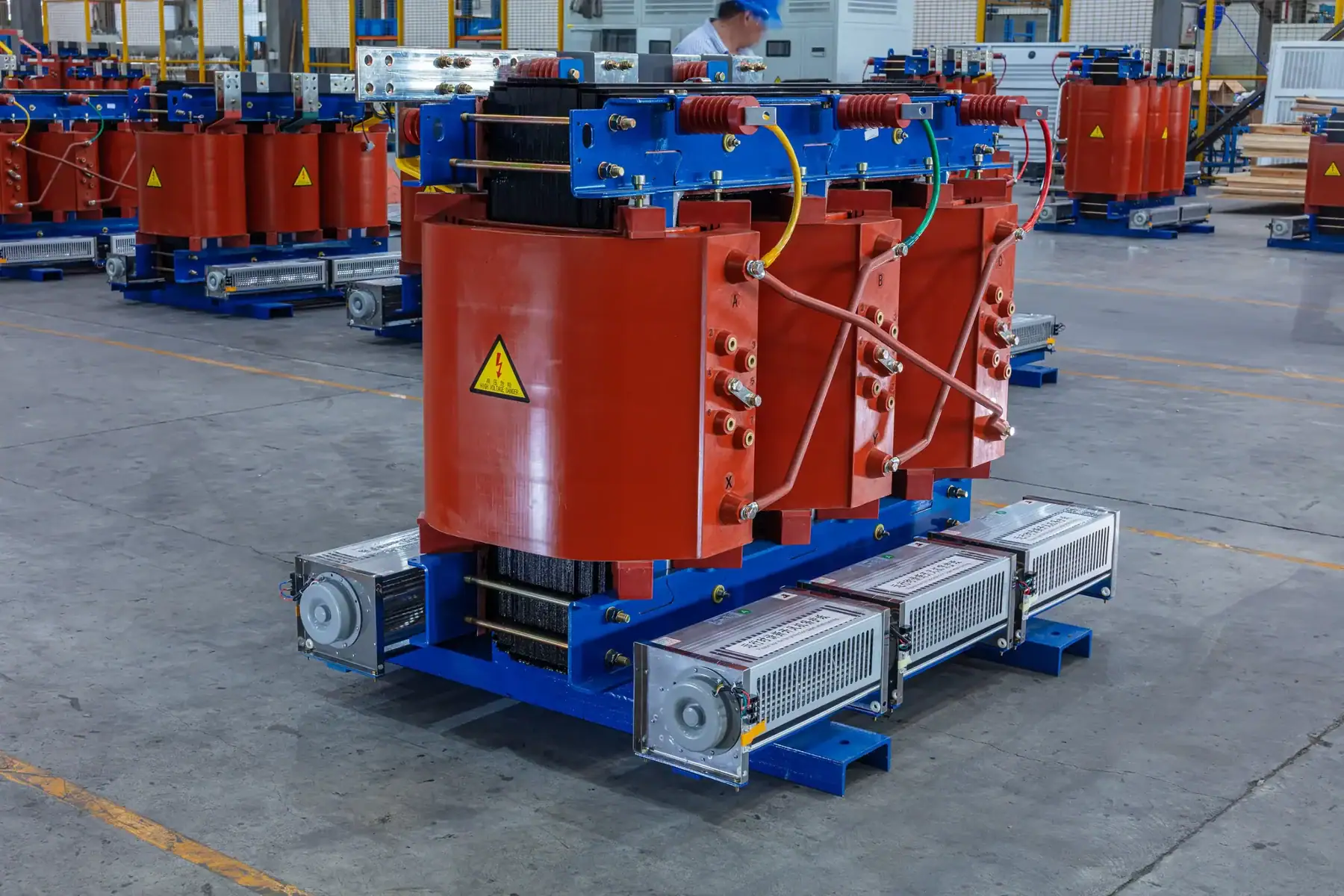
Was ist ein Trockentransformator?
Ein Trockentransformator ist ein Transformatortyp, der Luft anstelle von Flüssigkeit zur Kühlung nutzt. Er ist bekannt für seine Zuverlässigkeit und das geringe Brandrisiko.
Was sind die Hauptvorteile der Verwendung eines Trockentransformators?
Sie bieten Sicherheit, geringen Wartungsaufwand und Umweltfreundlichkeit. Darüber hinaus eignen sie sich gut für Innenräume und städtische Umgebungen.
Wie unterscheidet sich ein Trockentransformator von einem ölgefüllten Transformator?
Trockentransformatoren sind im Allgemeinen sicherer und umweltschonender als ölgefüllte Transformatoren.
Sind Trockentransformatoren energieeffizient?
Ja, sie sind auf hohe Effizienz bei geringen Verlusten ausgelegt und stellen somit energieeffiziente Optionen für elektrische Systeme dar.
Transformatoren sind unverzichtbare Komponenten in Stromverteilungssystemen. Die Wahl des richtigen Typs hat maßgeblichen Einfluss auf Effizienz, Sicherheit und Wartungskosten. Trockentransformatoren, bekannt für ihre einzigartige Bauweise und ihre besonderen Vorteile, erfreuen sich in verschiedenen Anwendungsbereichen zunehmender Beliebtheit. In diesem Artikel beleuchten wir die Vorteile von Trockentransformatoren und vergleichen sie mit ihren ölgefüllten Pendants. Das Verständnis dieser Unterschiede hilft Ihnen, den optimalen Transformator für Ihre spezifischen Anforderungen auszuwählen und so die Systemleistung und -zuverlässigkeit zu verbessern.
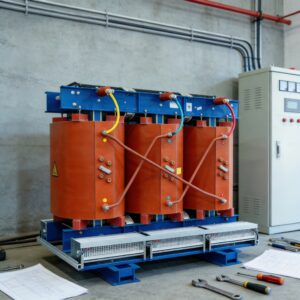
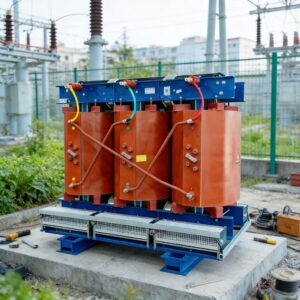
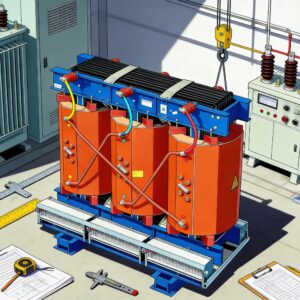
Ein Trockentransformator ist ein Transformatortyp, der Luft anstelle von Flüssigkeit zur Kühlung nutzt. Im Gegensatz zu ölgefüllten Transformatoren, die Mineralöl zur Kühlung und Isolierung der Wicklungen verwenden, setzen Trockentransformatoren auf Luftzirkulation und Isoliersysteme wie Gießharz. Diese Bauweise macht sie ideal für die Installation in Innenräumen, wo Brandschutz höchste Priorität hat, da sie die Risiken von Öllecks und Bränden ausschließen. Darüber hinaus ermöglicht diese Bauweise eine größere Flexibilität bei der Platzierung, da Trockentransformatoren auch dort installiert werden können, wo ölgefüllte Geräte ein Sicherheitsrisiko darstellen würden.
Die Nutzung von Luftkühlung erhöht nicht nur die Sicherheit, sondern trägt auch zu einer umweltfreundlicheren Konstruktion bei. Durch den Verzicht auf Öl eliminieren diese Transformatoren das Risiko von Ölunfällen und der damit verbundenen Umweltbelastung. Daher werden sie zunehmend in Projekten eingesetzt, in denen Nachhaltigkeit und geringe Umweltbelastung Priorität haben. Der Einsatz fortschrittlicher Materialien und Konstruktionstechniken trägt zudem zu ihrer Langlebigkeit und Zuverlässigkeit bei und gewährleistet eine gleichbleibende Leistung über lange Zeit.
Hauptvorteile von Trockentransformatoren
Trockentransformatoren bieten zahlreiche Vorteile, die sie für viele Anwendungen zu einer attraktiven Wahl machen. Schauen wir uns die wichtigsten Vorteile genauer an:
Sicherheit geht vor: Reduziertes Brandrisiko
Einer der größten Vorteile von Trockentransformatoren ist ihr erhöhtes Sicherheitsniveau. Da sie kein brennbares Öl zur Kühlung verwenden, ist die Brandgefahr deutlich reduziert. Dies macht sie zu einer sichereren Option für Installationen in Innenräumen, insbesondere in Schulen, Krankenhäusern und Gewerbegebäuden, wo Sicherheit höchste Priorität hat. Der Verzicht auf Öl bedeutet auch, dass kein Risiko von Öllecks besteht, die zu Bränden oder Umweltschäden führen können. Dieser Sicherheitsaspekt ist besonders wichtig in dicht besiedelten Gebieten oder an Orten mit strengen Sicherheitsvorschriften, da er die Haftung verringert und sowohl den Betreibern als auch den Nutzern ein beruhigendes Gefühl gibt.
Neben der Reduzierung von Brandgefahren minimieren Trockentransformatoren durch ihre Bauweise auch andere Sicherheitsrisiken. Ihre robuste Konstruktion macht sie beispielsweise unempfindlich gegenüber elektrischen Fehlern und bietet so zusätzlichen Schutz vor potenziellen Gefahren. Diese Widerstandsfähigkeit, kombiniert mit ihrer Nichtbrennbarkeit, macht Trockentransformatoren zur bevorzugten Wahl in Umgebungen, in denen höchste Sicherheit unerlässlich ist. Durch die Priorisierung der Sicherheit tragen diese Transformatoren dazu bei, … eine sichere und zuverlässige Stromversorgung gewährleisten, was für den reibungslosen Betrieb kritischer Anlagen von entscheidender Bedeutung ist.
Geringer Wartungsaufwand und lange Lebensdauer
Trockentransformatoren sind wartungsarm. Da sie kein Öl benötigen, entfällt die regelmäßige Ölprüfung und der Ölwechsel, was die Wartungskosten über die gesamte Lebensdauer des Transformators senkt. Dies reduziert nicht nur die Betriebskosten, sondern minimiert auch Ausfallzeiten, da weniger Wartungsarbeiten erforderlich sind. Darüber hinaus tragen die robuste Konstruktion und die verwendeten Materialien, wie beispielsweise Gießharz, zu einer längeren Lebensdauer mit weniger Ausfällen und Reparaturen bei. Der Einsatz hochwertiger Materialien und fortschrittlicher Technik gewährleistet, dass diese Transformatoren verschiedenen Belastungen standhalten und ihre Leistung und Zuverlässigkeit dauerhaft beibehalten.
Darüber hinaus können die geringeren Wartungsanforderungen von Trockentransformatoren über ihre gesamte Lebensdauer zu erheblichen Kosteneinsparungen führen. Da keine regelmäßigen Ölwechsel und die damit verbundenen Prüfungen erforderlich sind, können sich die Wartungsteams auf andere wichtige Aufgaben konzentrieren und so die Gesamteffizienz des Betriebs verbessern. Dieser Aspekt ist besonders vorteilhaft bei großen Anlagen, wo die Wartungskosten schnell ansteigen können. Durch die Minimierung des regelmäßigen Wartungsaufwands bieten Trockentransformatoren eine kostengünstige Lösung, die den langfristigen Betriebserfolg unterstützt.

Umweltfreundlichkeit
Trockentransformatoren sind umweltfreundlich, da sie kein Öl enthalten, das auslaufen und die Umwelt belasten könnte. Dadurch eignen sie sich für ökologisch sensible Bereiche und unterstützen Unternehmen bei der Einhaltung von Umweltauflagen. Durch die Vermeidung von Ölverschmutzungen tragen diese Transformatoren zu einer saubereren und sichereren Umwelt bei und unterstützen globale Bemühungen zur Reduzierung der Umweltbelastung. Dieser ökologische Vorteil ist besonders wichtig in Branchen und Regionen, in denen Nachhaltigkeit Priorität hat, da er die Unternehmensziele zur Reduzierung des CO₂-Fußabdrucks und zur Förderung umweltfreundlicher Praktiken unterstützt.
Neben ihrer ölfreien Bauweise zeichnen sich Trockentransformatoren durch Materialien und Fertigungsprozesse aus, die ihre Umweltbilanz weiter verbessern. So kann beispielsweise der Einsatz recycelbarer Materialien und energieeffizienter Produktionsmethoden die Umweltbelastung dieser Transformatoren insgesamt reduzieren. Dieses Engagement für Nachhaltigkeit schont nicht nur die Umwelt, sondern stärkt auch das Ansehen von Unternehmen, die sich für umweltfreundliche Lösungen entscheiden. Mit der Wahl von Trockentransformatoren können Unternehmen ihr Engagement für Umweltverantwortung unter Beweis stellen, was im heutigen Markt ein entscheidender Wettbewerbsvorteil sein kann.
Überlegene Leistung und Effizienz
Trockentransformatoren sind für ihren hohen Wirkungsgrad und ihre Leistungsfähigkeit bekannt. Sie weisen eine ausgezeichnete Kurzschlussfestigkeit auf und sind im Vergleich zu ölgefüllten Transformatoren elektrischer und mechanischer Belastung besser gewachsen. Dadurch liefern sie zuverlässig und verlustarm Leistung und tragen so zur Gesamteffizienz des Transformators bei. Dank ihrer Fähigkeit, hohen Belastungen standzuhalten, arbeiten diese Transformatoren auch unter anspruchsvollen Bedingungen effektiv und gewährleisten eine stabile Stromversorgung selbst bei Lastspitzen.
Die hohe Effizienz von Trockentransformatoren führt zu Energieeinsparungen, da sie die Verluste bei der Energieübertragung minimieren. Dies ist besonders vorteilhaft in Anwendungen, in denen Energieeffizienz Priorität hat, da es die Bemühungen zur Senkung der Betriebskosten und zur Förderung der Nachhaltigkeit unterstützt. Durch ihre zuverlässige Leistung bei minimalem Energieverlust tragen Trockentransformatoren zu einer nachhaltigeren Energieversorgung bei. effizientes und kostengünstiges Stromverteilungssystem. Darüber hinaus gewährleistet ihre robuste Konstruktion eine langfristige Zuverlässigkeit und reduziert das Risiko unerwarteter Ausfälle und damit verbundener Ausfallzeiten.
Leiser Betrieb
Trockentransformatoren arbeiten leise und eignen sich daher ideal für Installationen in lärmempfindlichen Umgebungen wie Büros, Wohnhäusern und Krankenhäusern. Durch den Verzicht auf Lüfter oder Pumpen gibt es weniger bewegliche Teile, was den Geräuschpegel im Betrieb reduziert. Dieser leise Betrieb ist besonders vorteilhaft in Umgebungen, in denen Lärmbelästigung störend oder schädlich sein kann, beispielsweise in Krankenhäusern, wo eine ruhige Umgebung für die Genesung der Patienten unerlässlich ist, oder in Wohngebieten, wo Lärm die Lebensqualität beeinträchtigen kann.
Neben der Verbesserung des Komforts in lärmempfindlichen Umgebungen trägt der leise Betrieb von Trockentransformatoren auch zur Einhaltung von Lärmschutzbestimmungen bei. In vielen Regionen gelten strenge Lärmgrenzwerte, insbesondere in städtischen Gebieten. Die Wahl eines leise arbeitenden Transformators kann Unternehmen dabei helfen, diese Anforderungen zu erfüllen. Durch die Reduzierung der Lärmbelastung fördern Trockentransformatoren ein angenehmeres und gesetzeskonformes Umfeld und verbessern so sowohl den Betrieb als auch das Verhältnis zur Bevölkerung.
Vergleich von Trocken- und Öltransformatoren
Obwohl sowohl Trocken- als auch Öltransformatoren ihre jeweiligen Vor- und Nachteile haben, hilft das Verständnis ihrer Unterschiede bei einer fundierten Entscheidung. Jeder Typ hat seinen Platz in der Energieverteilung, und die Auswahl des richtigen Transformators hängt von den spezifischen Anwendungsanforderungen ab.
Vorteile von Trockentransformatoren gegenüber ölgefüllten Transformatoren
- Sicherheit: Wie bereits erwähnt, Fehlen von Öl in Trockentransformatoren Sie verringern die Brandgefahr und machen sie dadurch sicherer für die Verwendung in Innenräumen. Dieser Sicherheitsvorteil ist besonders ausgeprägt in Umgebungen, in denen das Brandrisiko minimiert werden muss, wie beispielsweise in dicht besiedelten oder wertvollen Bereichen.
- Wartung: Trockentransformatoren benötigen weniger Wartung, da keine Ölprüfung und kein Ölwechsel erforderlich sind. Dies reduziert die langfristigen Betriebskosten und ermöglicht eine effizientere Zuweisung von Wartungsressourcen.
- Umweltverträglichkeit: Da Trockentransformatoren ohne Öl auskommen, besteht kein Risiko von Öllecks, wodurch sie umweltfreundlicher sind. Dies trägt zu einem saubereren und nachhaltigeren Betrieb bei und entspricht modernen Umweltstandards und -vorschriften.
Nachteile von Trockentransformatoren
- Kühlungsbeschränkungen: Trockentransformatoren zur Kühlung auf Luft angewiesen sein, Diese Kühlmethoden sind unter Volllastbedingungen möglicherweise nicht so effizient wie Ölkühlung. Dies kann ihren Einsatz in Anwendungen mit sehr hoher Leistung einschränken, bei denen eine effektive Wärmeableitung entscheidend für die Aufrechterhaltung der Leistung und die Vermeidung von Überhitzung ist.
- Höhere Anschaffungskosten: Die Anschaffungskosten von Trockentransformatoren können aufgrund ihrer Bauweise und der verwendeten Materialien höher sein als die von ölgefüllten Transformatoren. Bei der Bewertung der Gesamtbetriebskosten sollten jedoch die langfristigen Einsparungen bei Wartung und Umweltauflagen berücksichtigt werden.
Anwendungen von Trockentransformatoren
Trockentransformatoren sind vielseitig einsetzbar und finden in verschiedenen Anwendungsbereichen Verwendung, unter anderem:
- Gewerbegebäude: Dank ihrer Sicherheit und des geringen Geräuschpegels eignen sie sich ideal für den Innenbereich. Sie gewährleisten eine zuverlässige Stromverteilung in Bürokomplexen, Einkaufszentren und anderen gewerblichen Einrichtungen, in denen Sicherheit und Komfort höchste Priorität haben.
- Krankenhäuser und Schulen: Sicherheit und Zuverlässigkeit machen sie geeignet für Einrichtungen, in denen eine unterbrechungsfreie Stromversorgung unerlässlich ist. In diesen Umgebungen muss das Risiko von Stromausfällen oder Bränden minimiert werden, um die Sicherheit und das Wohlbefinden der Anwesenden zu gewährleisten.
- Ökologisch sensible Bereiche: Aufgrund ihrer Umweltfreundlichkeit sind diese Transformatoren die bevorzugte Wahl für Standorte, an denen Ölverschmutzungen schädlich sein könnten. Sie unterstützen Nachhaltigkeitsinitiativen und helfen Unternehmen, Umweltauflagen zu erfüllen.
Den richtigen Transformator auswählen
Bei der Auswahl eines Transformators sollten Sie die spezifischen Anforderungen Ihrer Anwendung berücksichtigen. Faktoren wie Sicherheit, Wartung, Umweltverträglichkeit und Effizienz sollten Ihre Entscheidung leiten. Trockentransformatoren bieten zwar zahlreiche Vorteile, sind aber möglicherweise nicht für alle Situationen geeignet, insbesondere wenn hohe Leistung und Kühlleistung erforderlich sind. Die Analyse der spezifischen Anforderungen Ihrer Anlage hilft Ihnen, den optimalen Transformator für Ihre Bedürfnisse auszuwählen.
Zu berücksichtigende Faktoren
- Installationsumgebung: Innen- oder Außenbereich? Trockentransformatoren eignen sich besser für Innenräume, in denen Sicherheit und Geräuschreduzierung von entscheidender Bedeutung sind.
- Lastanforderungen: Prüfen Sie, ob die Kühlung des Transformators Ihre Lastanforderungen erfüllen kann. Anwendungen mit hoher Last erfordern möglicherweise die verbesserte Kühlleistung ölgefüllter Transformatoren.
- Budget: Berücksichtigen Sie sowohl die Anschaffungskosten als auch die langfristigen Wartungskosten. Trockentransformatoren mögen zwar in der Anschaffung höhere Kosten verursachen, doch ihr geringerer Wartungsaufwand und ihre Umweltvorteile können im Laufe der Zeit erhebliche Einsparungen ermöglichen.
Schlussfolgerung
Trockentransformatoren bieten zahlreiche Vorteile, darunter erhöhte Sicherheit, geringere Wartungskosten, Umweltfreundlichkeit und hohe Leistungsfähigkeit. Diese Vorteile machen sie zu einer ausgezeichneten Wahl für viele Anwendungen, insbesondere in Innenräumen und ökologisch sensiblen Umgebungen. Indem Sie die Vor- und Nachteile von Trockentransformatoren kennen und sie mit ölgefüllten Transformatoren vergleichen, können Sie eine fundierte Entscheidung treffen, die Ihren Anforderungen an die Stromverteilung optimal entspricht.
Einbau von Trockentransformatoren in Ihr Stromverteilungsstrategie Dies kann zu einem sichereren, effizienteren und umweltfreundlicheren Betrieb führen und letztendlich zum Erfolg Ihres Unternehmens beitragen. Durch Abwägen der Vor- und Nachteile können Sie feststellen, ob ein Trockentransformator die richtige Lösung für Ihre spezifischen Anforderungen ist. Dieser fundierte Entscheidungsprozess stellt sicher, dass Sie einen Transformator auswählen, der Ihren Betriebszielen und Nachhaltigkeitsvorgaben entspricht und somit den Weg für ein zuverlässigeres und effizienteres Stromverteilungssystem ebnet.

 English
 Français
 Español
 Deutsch