

Stellen Sie sich einen Transformator vor, der reibungslos funktioniert – ohne Leckagen, gefährliche Kühlflüssigkeiten oder häufige Wartungsstillstände. Trockenkühlsysteme für Transformatoren bieten genau diesen Vorteil: Sie nutzen Luft als Kühlmedium, was die benötigte Infrastruktur deutlich vereinfacht. Im Folgenden erfahren Sie, wie der Einsatz dieser Systeme Ihre Betriebsabläufe optimiert, die Leistung verbessert und zu einer grüneren Zukunft beiträgt. Ob Sie Branchenexperte, Facility Manager oder einfach an modernen Energielösungen interessiert sind – dieser Blogbeitrag bietet Ihnen wertvolle Einblicke in die Kunst der Transformatorenkühlung. Effizienz durch diese transformative Technologie.

Verständnis von Trockentransformatoren
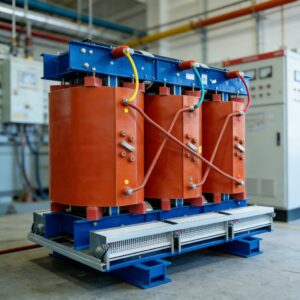
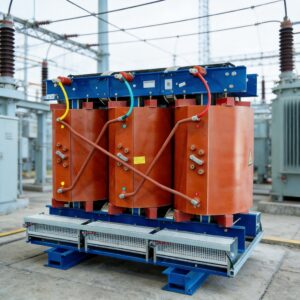
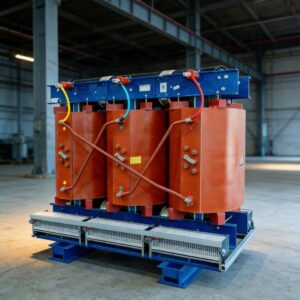
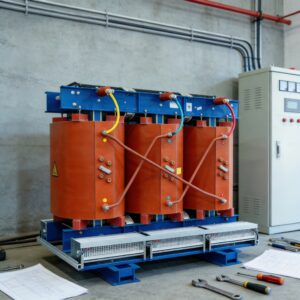
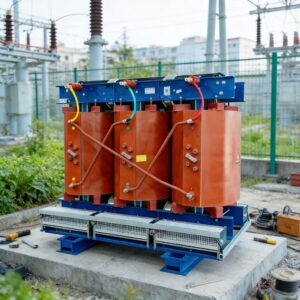
Trockentransformatoren stellen eine bedeutende Weiterentwicklung gegenüber herkömmlichen ölgefüllten Transformatoren dar, da sie flüssige Isolier- und Kühlmedien durch Luft und feste dielektrische Materialien ersetzen. Im Kern dieser Transformatoren befinden sich Wicklungen, die mit Epoxidharz oder ähnlichen Verbindungen vergossen sind und die leitenden Spulen isolieren und schützen. Anstatt auf Öl zur Wärmeabfuhr angewiesen zu sein, nutzen Trockentransformatoren die natürliche oder erzwungene Luftzirkulation – wodurch potenzielle Leckagen vermieden und Umweltrisiken reduziert werden. Dies macht sie besonders geeignet für die Installation in Innenräumen, städtischen Einrichtungen und Standorten mit strengen Umweltauflagen.
Eines der prägenden Merkmale von Trockentransformatoren Ein weiterer Vorteil ist ihre hohe Brandschutzklasse. Da sich im Inneren keine brennbare Flüssigkeit befindet, ist das Risiko einer Brandausbreitung deutlich reduziert. Zudem sind diese Geräte im Vergleich zu ölgefüllten Transformatoren oft kompakter und eignen sich daher ideal für beengte Räume wie Rechenzentren, Schulen und Krankenhäuser. Die gekapselten Wicklungen weisen außerdem eine verbesserte Vibrationsfestigkeit und geringere Geräuschemissionen auf, was insbesondere bei Anwendungen von Vorteil ist, bei denen Betriebskomfort und minimale Ausfallzeiten Priorität haben. Insgesamt bildet das Verständnis der Funktionsweise von Trockentransformatoren und ihrer Vorteile die Grundlage für die volle Ausschöpfung des Potenzials von Kühlsystemen für Trockentransformatoren in modernen Stromnetzen.
Vorteile von Trockentransformator-Kühlsystemen
Trockenkühlsysteme für Transformatoren bieten zahlreiche Vorteile in puncto Sicherheit, Nachhaltigkeit und Wirtschaftlichkeit. Erstens eliminiert der Verzicht auf Öl oder andere flüssige Kühlmittel Leckagerisiken und Brandgefahren. Dies führt zu einer sichereren Umgebung für Personal und empfindliche Geräte, insbesondere in Innenräumen oder stark frequentierten Bereichen. Zweitens profitieren Gebäudemanager von vereinfachten Wartungsabläufen und geringeren Kosten für die Einhaltung von Umweltauflagen, da keine Ölfiltration, -auffangung und -entsorgung erforderlich sind.
Aus betrieblicher Sicht bieten Trockentransformator-Kühlsysteme oft eine längere Lebensdauer mit weniger ungeplanten Ausfällen. Die mit Gießharz oder Vakuumdruck imprägnierten Wicklungen sind beständig gegen Feuchtigkeit und chemische Angriffe und gewährleisten so einen stabilen Betrieb auch unter rauen Bedingungen. Darüber hinaus ermöglicht der modulare Aufbau vieler Trockenkühler eine skalierbare Kapazität. So können Lüfter und Wärmetauscher bei steigendem Lastbedarf hinzugefügt oder aufgerüstet werden. Schließlich wird die Energieeffizienz durch optimierte Luftströmungswege und Temperaturüberwachung verbessert, die den Kühlaufwand an die thermische Belastung in Echtzeit anpassen. Dies reduziert letztendlich Leistungsverluste und Betriebskosten über die gesamte Lebensdauer des Transformators.
Konstruktionsmerkmale von Kühlsystemen für Trockentransformatoren
Die Konstruktion von Kühlsystemen für Trockentransformatoren ist von zentraler Bedeutung. Die meisten Systeme verfügen über belüftete Wicklungen, eine Vergussmasse und Luftkanäle, um die Wärmeabfuhr zu optimieren. Externe Kühlrippen oder Kühlkörper vergrößern die Oberfläche für die Konvektionskühlung zusätzlich. Diese Merkmale gewährleisten gemeinsam, dass der Transformator auch unter Volllastbedingungen innerhalb sicherer Betriebstemperaturen bleibt.
Moderne Geräte verfügen über Temperatursensoren an kritischen Stellen, die mit digitalen Bedienfeldern verbunden sind und die Lüfterdrehzahl regeln oder das Wartungspersonal bei Störungen alarmieren. Der Einsatz hochwertiger Epoxidharze und flammhemmender Materialien erhöht nicht nur die Durchschlagsfestigkeit, sondern erfüllt auch strenge Brandschutzbestimmungen. Dadurch eignen sich diese Transformatoren für den Innenbereich ohne zusätzliche Brandschutzgehäuse. Das Ergebnis ist ein robustes und intelligentes Kühlsystem, das sich nahtlos in moderne Stromverteilungsnetze integrieren lässt.
Installations- und Wartungshinweise

Die Installation eines Trockenkühlsystems für Transformatoren beginnt mit einer gründlichen Standortanalyse. Ausreichende Belüftung und genügend Freiraum für die Luftzirkulation an allen Seiten des Geräts müssen gewährleistet sein. Der Boden oder die Montagefläche muss eben sein und das Gewicht des Transformators sowie aller zugehörigen Geräte wie Lüfter oder Filter tragen können. Die ordnungsgemäße Erdung und die Kabeleinführungen müssen den örtlichen Elektrovorschriften entsprechen. Umwelteinflüsse wie Staub, Feuchtigkeit und Chemikalienbelastung sollten durch Schutzgehäuse oder Überdruckräume minimiert werden.
Im Hinblick auf die Wartung sind Kühlsysteme für Trockentransformatoren vergleichsweise wartungsarm, erfordern aber dennoch regelmäßige Kontrollen. Periodische Sichtprüfungen decken Anzeichen von Oberflächenverunreinigungen, Rissen im Harz oder verstopften Luftkanälen auf. Wärmebildaufnahmen helfen, eine gleichmäßige Temperaturverteilung zu gewährleisten und Hotspots zu erkennen, bevor diese zu vorzeitigem Isolationsausfall führen. Bei installierten Zwangsluftventilatoren müssen Filterwechsel und Schmierintervalle eingehalten werden, um einen effizienten Betrieb zu gewährleisten. Insgesamt sichert ein vorausschauender Wartungsplan die langfristige Zuverlässigkeit und verhindert ungeplante Ausfallzeiten.
Anwendungsbereiche in verschiedenen Branchen
Trockentransformator-Kühlsysteme haben sich dank ihrer Sicherheitsmerkmale und ihrer kompakten Bauweise in einer Vielzahl von Branchen etabliert. In Gewerbegebäuden wie Einkaufszentren, Büros und Krankenhäusern fügen sich diese Transformatoren nahtlos in Technikräume oder Keller ein und gewährleisten eine leise und zuverlässige Stromverteilung ohne das Risiko von Öllecks. Rechenzentren nutzen ihren geringen Geräuschpegel und ihre hohe Brandschutzklasse, um empfindliche Server und Kühlgeräte vor potenziellen Gefahren ölgefüllter Alternativen zu schützen.
Industrielle Anwendungen, Anlagen wie Produktionsstätten, Bergwerke und Chemieanlagen profitieren von der korrosionsbeständigen und feuchtigkeitstoleranten Bauweise von Trockenklimageräten. Auch Anlagen zur Erzeugung erneuerbarer Energien – wie Solarparks und Windparks – setzen diese Systeme ein, um schwankende Lasten und die Herausforderungen der Außenumgebung zu bewältigen. Sogar Eisenbahnnetze und Schiffe nutzen sie. Trockentransformator-Kühlsysteme Aufgrund ihrer kompakten Bauweise und ihrer überlegenen Stoßfestigkeit zeichnen sich luftgekühlte Transformatoren durch ihre Vielseitigkeit und wachsende Beliebtheit aus. Ihre Eignung für den Einsatz in der Nähe von Wasser, in beengten Räumen oder unter strengen Sicherheitsvorschriften unterstreicht dies in allen Branchen.
FAQ
1. Was ist ein Trockentransformator-Kühlsystem?
Ein Trockenkühlsystem für Transformatoren ist so konstruiert, dass es die während des Betriebs entstehende Wärme ohne flüssige Isolierung abführt. Es nutzt Luft- oder Zwangsluftzirkulation, um sichere Betriebstemperaturen aufrechtzuerhalten.
2. Welche Kühlmethoden werden üblicherweise für Trockentransformatoren eingesetzt?
Zu den gebräuchlichsten Methoden gehören:
- AN (Air Natural): Natürliche Luftzirkulation zur Kühlung
- AF (Luftwaffe): Einsatz von Ventilatoren oder Gebläsen zur Verbesserung des Luftstroms
- AN/AF-Kombination: Funktioniert im Normalbetrieb automatisch und schaltet bei höherer Last auf Zwangskühlung um.
3. Wie verbessert die Zwangsluftkühlung die Leistung?
Die Zwangsluftkühlung erhöht die Wärmeabfuhreffizienz, wodurch der Transformator höhere Lasten bewältigen kann und die Gesamtzuverlässigkeit und Lebensdauer verbessert werden.
4. Was sind die Vorteile von Trockentransformator-Kühlsystemen?
- Kein Risiko von Ölaustritt oder Brandgefahr
- Geringerer Wartungsaufwand
- Umweltfreundlich
- Geeignet für die Installation in Innenräumen
5. Wo werden Trockentransformatoren üblicherweise eingesetzt?
Sie werden in großem Umfang in Gewerbegebäuden, Krankenhäusern, Rechenzentren, Industrieanlagen und anderen Orten eingesetzt, an denen Sicherheit und ein sauberer Betrieb wichtig sind.
Fazit: Die Zukunft der Energieeffizienz gestalten
Angesichts des weltweit zunehmenden Drucks auf Energieeffizienz und Sicherheit erweisen sich Trockentransformator-Kühlsysteme als zukunftsweisende Lösung. Ihre leckagefreie, brandsichere Konstruktion und die einfache Wartung machen sie zur idealen Wahl für unterschiedlichste Installationen, von Hochhäusern bis hin zu Industrieanlagen mit hohem Durchsatz.
Durch den Einsatz dieser innovativen Kühlsysteme können Unternehmen die Lebenszykluskosten senken, die Umweltbelastung minimieren und auch unter anspruchsvollsten Bedingungen zuverlässige Leistung erzielen. Nutzen Sie diese zukunftsweisende Technologie, um im Bereich intelligenterer und umweltfreundlicherer Energieverteilung die Nase vorn zu haben.

 English
 Français
 Español
 Deutsch