
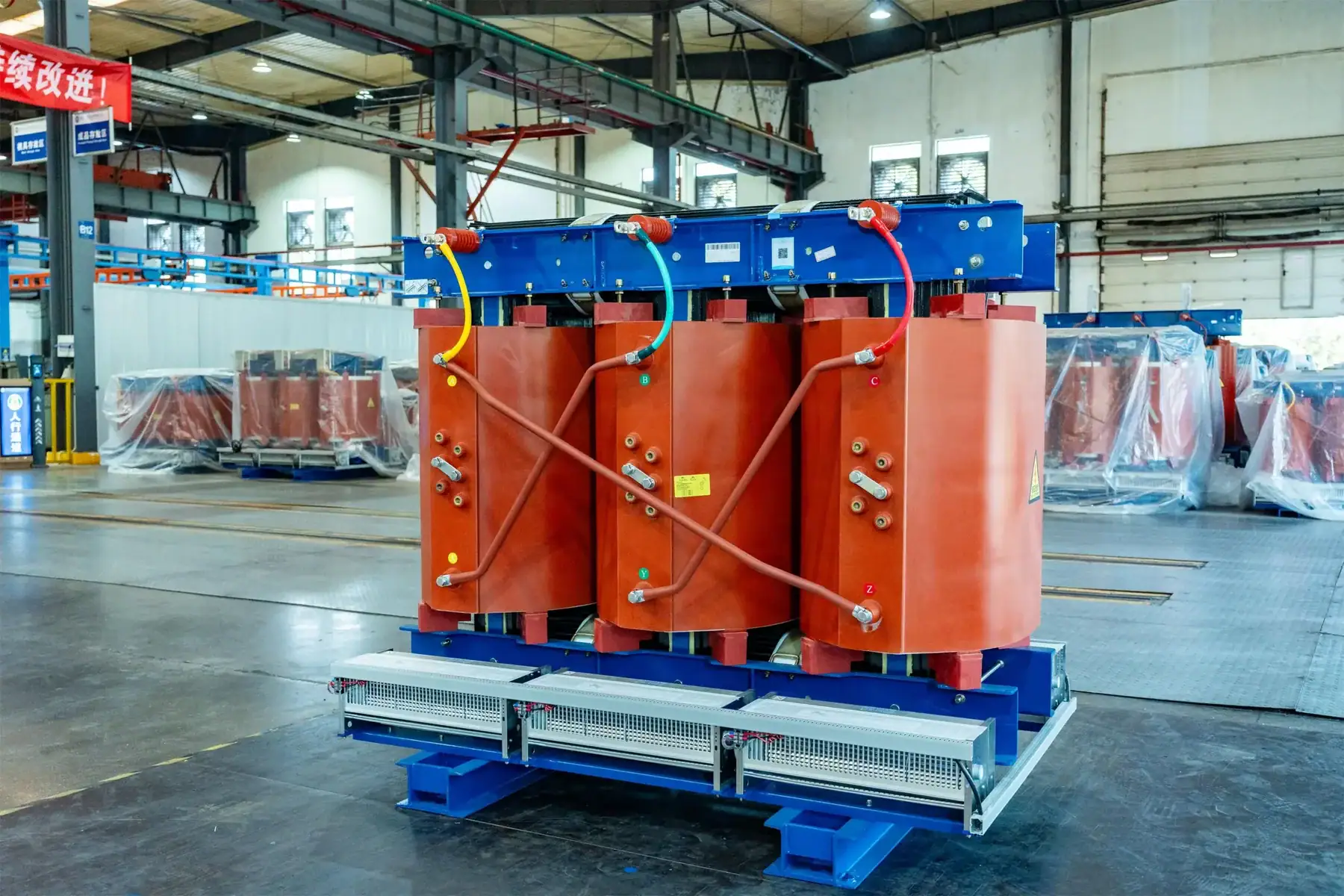
Im heutigen schnelllebigen Technologiezeitalter, in dem Effizienz und Leistungsoptimierung entscheidend sind, kann die Umgestaltung Ihrer elektrischen Anlage einen erheblichen Unterschied machen. Wenn Sie schon einmal die Grenzen einer einphasigen Stromversorgung erlebt haben, wissen Sie, wie schwierig es sein kann, leistungsstarke Geräte zu betreiben oder in einem gewerblichen Umfeld effizient zu arbeiten. Stellen Sie sich jedoch ein Szenario vor, in dem Ihre Stromversorgung problemlos schwere Maschinen und fortschrittliche Systeme versorgt, ohne dass Sie sich ständig Sorgen um Überlastung oder häufige Ausfallzeiten machen müssen. Genau hier kann ein Einphasen-zu-Dreiphasen-Transformator Ihre Stromversorgung revolutionieren.
Da Unternehmen und Branchen bestrebt sind, mit den steigenden Anforderungen Schritt zu halten, ist der Übergang von Einphasen- zu Dreiphasenstrom nicht nur eine technische Verbesserung, sondern ein strategischer Schritt hin zu höherer Produktivität und Kosteneffizienz. Statistiken belegen, dass Systeme mit Dreiphasenstrom von einer stabileren Spannung, höherer Leistung und verbesserter Energieverteilung profitieren, was zu einem reibungsloseren Betrieb und geringeren Energiekosten führt. In diesem Leitfaden erfahren Sie alles Wichtige zur Modernisierung Ihrer Stromversorgung und wie die Umstellung von Einphasen- auf Dreiphasenstrom Ihre Infrastruktur optimiert und Ihre zukünftigen Strombedürfnisse sichert.

Den Unterschied verstehen: Einphasenstrom vs. Dreiphasenstrom
Einphasenstrom nutzt zwei Leiter – einen stromführenden Leiter (Phase) und einen Neutralleiter – zur Bereitstellung von Wechselstrom (AC) mit einer Standardspannung, typischerweise 120 V oder 240 V. Diese Konfiguration eignet sich ideal für die Beleuchtung von Wohnhäusern, kleine Haushaltsgeräte und einfache Büroausstattung. Die Spannungskurve in Einphasensystemen folgt einem sinusförmigen Zyklus, wodurch es zwischen den Spannungsspitzen zu kurzzeitigen Spannungseinbrüchen kommt. Diese Spannungsschwankungen stellen für Geräte mit geringem Strombedarf möglicherweise kein großes Problem dar, können aber die Leistung und Zuverlässigkeit beim Betrieb von Motoren oder großen Industriemaschinen beeinträchtigen.
Im Gegensatz dazu nutzt Drehstrom drei stromführende Leiter, die jeweils eine um 120 Grad phasenverschobene Wechselspannung führen. Diese Anordnung sorgt für eine kontinuierliche und gleichmäßigere Stromversorgung sowie ein gleichmäßigeres Drehmoment beim Antrieb von Motoren. Die Spannung bleibt stabiler, wodurch Spannungseinbrüche und -spitzen reduziert werden, was zu einer höheren Gesamteffizienz führt. Aufgrund seiner überlegenen Leistungsfähigkeit ist Drehstrom die bevorzugte Wahl für Gewerbegebäude, Fabriken und Rechenzentren. Durch die Integration eines Einphasen-Drehstrom-Transformators lässt sich der Strom für Wohnhäuser oder kleinere Gewerbebetriebe in eine robuste Drehstromversorgung umwandeln. Dies ermöglicht die Nutzung der Vorteile verbesserter Stabilität, geringerer Energieverluste und besserer Unterstützung für Geräte mit hohem Strombedarf.
Ermitteln Sie Ihren Energiebedarf vor der Umstellung
Bevor Sie in einen Einphasen-Drehstrom-Transformator investieren, sollten Sie zunächst Ihren aktuellen und zukünftigen Strombedarf ermitteln. Erstellen Sie eine vollständige Liste aller elektrischen Verbraucher, einschließlich Motoren, Klimaanlagen, Kompressoren und Beleuchtung. Notieren Sie die Spannung, Stromstärke und den Leistungsfaktor jedes Geräts. Berechnen Sie den Gesamtbedarf an Scheinleistung (kVA), indem Sie die einzelnen Verbraucher addieren und eine Sicherheitsreserve – typischerweise 10–201 kV zusätzliche Kapazität – hinzufügen, um Erweiterungen, Lastspitzen und unerwartete Geräteanläufe abzudecken.
Berücksichtigen Sie als Nächstes die Betriebszyklen und Lastprofile Ihrer Maschinen. Dauerlasten wie Kühlanlagen oder Förderbänder unterscheiden sich von intermittierenden Lasten wie Pumpen oder Schweißgeräten. Praxisdaten helfen Ihnen bei der Auswahl eines Transformators, der sowohl Dauerlasten als auch kurzzeitige Spannungsspitzen bewältigen kann. Überprüfen Sie abschließend Ihre elektrische Verteilung: Entfernung zum Stromzähler, vorhandene Verteilerkapazität, Leitungen, Schaltanlagen und Erdungssystem. Diese umfassende Bewertung stellt sicher, dass Sie einen Transformator mit der passenden Nennleistung und Konfiguration wählen, der den gesetzlichen Bestimmungen entspricht, den Spannungsabfall minimiert und sich nahtlos in Ihre bestehende Stromversorgungsarchitektur integriert.
Auswahl des richtigen Einphasen-zu-Dreiphasen-Transformators
Die Auswahl des passenden Transformators erfordert die Abstimmung technischer Spezifikationen, Budgetvorgaben und betrieblicher Anforderungen. Beginnen Sie mit der Bestimmung der korrekten Nennleistung – angegeben in kVA – entsprechend Ihrem berechneten Bedarf. Eine Überdimensionierung kann zu unnötigen Investitionskosten und geringerer Effizienz bei Teillast führen, während eine Unterdimensionierung Überlastung, Überhitzung und vorzeitigen Ausfall zur Folge haben kann. Entscheiden Sie sich anschließend für die Spannungskonfiguration: Gängige Optionen sind die Umwandlung von 240 V Einphasen-Eingangsspannung auf 415 V Dreiphasen-Ausgangsspannung oder die Umwandlung von 120 V auf 208 V Dreiphasenspannung. Stellen Sie die Kompatibilität mit den Nennspannungen Ihrer Geräte und der örtlichen Netzspannung sicher.
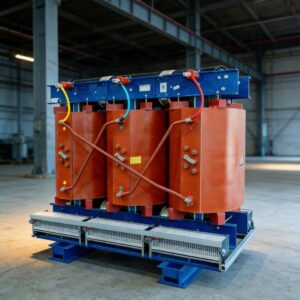
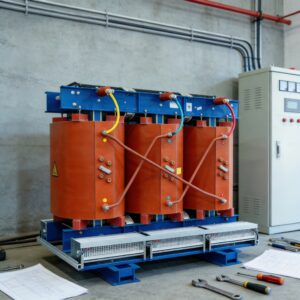
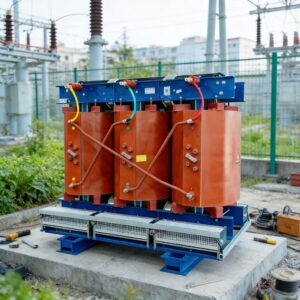
Auch die Bauart und der Typ des Transformators spielen eine Rolle. Trockentransformatoren Öltransformatoren zeichnen sich durch solide Isoliermaterialien aus, sind wartungsarm und für die Innenaufstellung geeignet. Sie bieten eine bessere Kühlung und höhere Überlastfähigkeit, erfordern jedoch regelmäßige Ölprüfungen und Sicherheitsvorkehrungen. Achten Sie auf Geräte mit energieeffizienten Kernen, geringen Leerlaufverlusten und der Einhaltung von Effizienzstandards wie NEMA TP-1 oder IEC. Weitere wichtige Merkmale sind integrierter Überspannungsschutz, Überwachungssensoren (für Temperatur, Last und Ölstand) sowie flexible Montagemöglichkeiten. Durch die sorgfältige Abwägung dieser Faktoren erhalten Sie einen zuverlässigen Einphasen-zu-Dreiphasen-Transformator, der maximale Leistung und Lebensdauer bietet.
Installationsprozess: Schritte und zu beachtende Punkte
Die Installation eines Einphasen-zu-Dreiphasen-Transformators erfordert sorgfältige Planung und die Einhaltung der Sicherheitsvorschriften. Bereiten Sie zunächst den Aufstellungsort vor: Wählen Sie einen stabilen, gut belüfteten Bereich mit ausreichendem Freiraum um den Transformator herum. Stellen Sie sicher, dass der Boden das Gewicht des Geräts tragen kann und dass genügend Platz zum Heben von Geräten vorhanden ist. Schalten Sie die Stromzufuhr zum vorhandenen Verteilerkasten ab, sichern Sie alle Energiequellen und überprüfen Sie die Spannung auf Null, bevor Sie mit den Arbeiten beginnen.
Montieren Sie den Transformator auf einer ebenen Fläche oder einem Fundament und befestigen Sie ihn gemäß den Herstellerangaben. Verbinden Sie die Eingangsanschlüsse (Primärseite) mit Ihrer einphasigen Stromversorgung mithilfe von Leitern mit entsprechendem Querschnitt und die Ausgangsanschlüsse (Sekundärseite) mit Ihrem dreiphasigen Verteilerkasten oder der Motorlast. Installieren Sie Erdungs-/Potentialausgleichsverbindungen gemäß den örtlichen Elektrovorschriften. Führen Sie nach Abschluss aller Verdrahtungsarbeiten Isolationswiderstandsmessungen, Durchgangsprüfungen und Polaritätsprüfungen durch. Schalten Sie den Transformator zunächst im Leerlauf ein und erhöhen Sie die Last dann schrittweise, während Sie Spannungsstabilität, Temperatur und Geräuschpegel überwachen. Eine erfolgreiche Inbetriebnahme gewährleistet einen sicheren und zuverlässigen Betrieb vom ersten Tag an.
Wartungstipps für langfristige Effizienz
Regelmäßige Wartung ist entscheidend für die Funktionsfähigkeit des Transformators und die Sicherstellung einer unterbrechungsfreien Drehstromversorgung. Führen Sie regelmäßig Sichtprüfungen durch, um Anzeichen von Überhitzung, Korrosion oder Isolationsschäden frühzeitig zu erkennen. Ziehen Sie alle Klemmen und Befestigungselemente fest, da sich Schrauben durch Temperaturschwankungen mit der Zeit lockern können. Bei ölgefüllten Transformatoren sollten Sie jährlich eine Probe des Dielektrikums entnehmen, um den Feuchtigkeitsgehalt, die Durchschlagsfestigkeit und gelöste Gase zu prüfen. Wechseln oder filtern Sie das Öl gemäß den Herstellerangaben.
Führen Sie außerdem alle sechs Monate Infrarot-Thermografie-Inspektionen unter Last durch, um Hotspots und Phasenungleichgewichte zu erkennen. Reinigen Sie Lüfter, Kühlkörper und Lüftungsöffnungen, um eine effiziente Wärmeableitung zu gewährleisten. Überwachen Sie Betriebskennzahlen mithilfe installierter Sensoren – insbesondere Wicklungstemperatur, Lastströme und Öltemperatur. Beheben Sie kleinere Probleme umgehend, um größere Ausfälle zu vermeiden. Durch die Einhaltung dieser Wartungsrichtlinien arbeitet Ihr Einphasen-Dreiphasen-Transformator weiterhin mit maximaler Effizienz, minimiert Ausfallzeiten und verlängert seine Lebensdauer.
Fazit: Die Zukunft der Stromversorgung gestalten
Die Umstellung von Einphasen- auf Dreiphasenstrom mit dem richtigen Transformator ist ein entscheidender Schritt, der Kapazität, Zuverlässigkeit und Effizienz steigert. Indem Sie die technischen Unterschiede verstehen, Ihren Lastbedarf präzise ermitteln und einen hochwertigen Transformator auswählen, können Sie Ihre Anlage optimal auf steigende Anforderungen vorbereiten und Betriebskosten senken.
Eine fachgerechte Installation und vorausschauende Wartung gewährleisten zudem, dass Ihre Strominfrastruktur robust und zukunftssicher bleibt. Nutzen Sie diese strategische Modernisierung noch heute und profitieren Sie langfristig von stabilem, leistungsstarkem Drehstrom.

 English
 Français
 Español
 Deutsch