
Einführung
Bei der Auswahl eines Transformators für Ihr Projekt ist es entscheidend, die Unterschiede zwischen Trocken- und Flüssigkeitstransformatoren zu verstehen. Die Wahl beeinflusst nicht nur Leistung und Sicherheit des Transformators, sondern auch seinen Platzbedarf und die Installationsanforderungen. In diesem Artikel bieten wir Ihnen einen detaillierten Größenvergleich beider Transformatortypen, um Ihnen eine fundierte Entscheidung zu ermöglichen. Angesichts des rasanten technologischen Fortschritts ist der Bedarf an effizienten und platzsparenden Transformatorlösungen wichtiger denn je. Daher kann das Verständnis der Feinheiten in Design, Installation und Betrieb dieser Transformatoren maßgeblich zum Erfolg Ihres Projekts beitragen.
Übersicht über Transformatoren
Transformatoren sind unverzichtbare Komponenten des Stromnetzes. Sie dienen der Übertragung elektrischer Energie zwischen Stromkreisen mittels elektromagnetischer Induktion. Es gibt verschiedene Bauarten, am häufigsten sind jedoch Trockentransformatoren und flüssigkeitsgefüllte Transformatoren. Ihre Hauptaufgabe besteht in der Spannungsanpassung, wodurch sie in der Stromversorgung unverzichtbar sind. Energieverteilung Transformatoren sind unverzichtbar für Übertragungssysteme. Ihre Fähigkeit, eine effiziente Übertragung elektrischer Energie über weite Strecken zu gewährleisten, unterstreicht ihre Bedeutung für die moderne Infrastruktur. Angesichts der zunehmenden Nutzung erneuerbarer Energien spielen Transformatoren zudem eine zentrale Rolle bei deren Integration in bestehende Stromnetze.
Trockentransformatoren
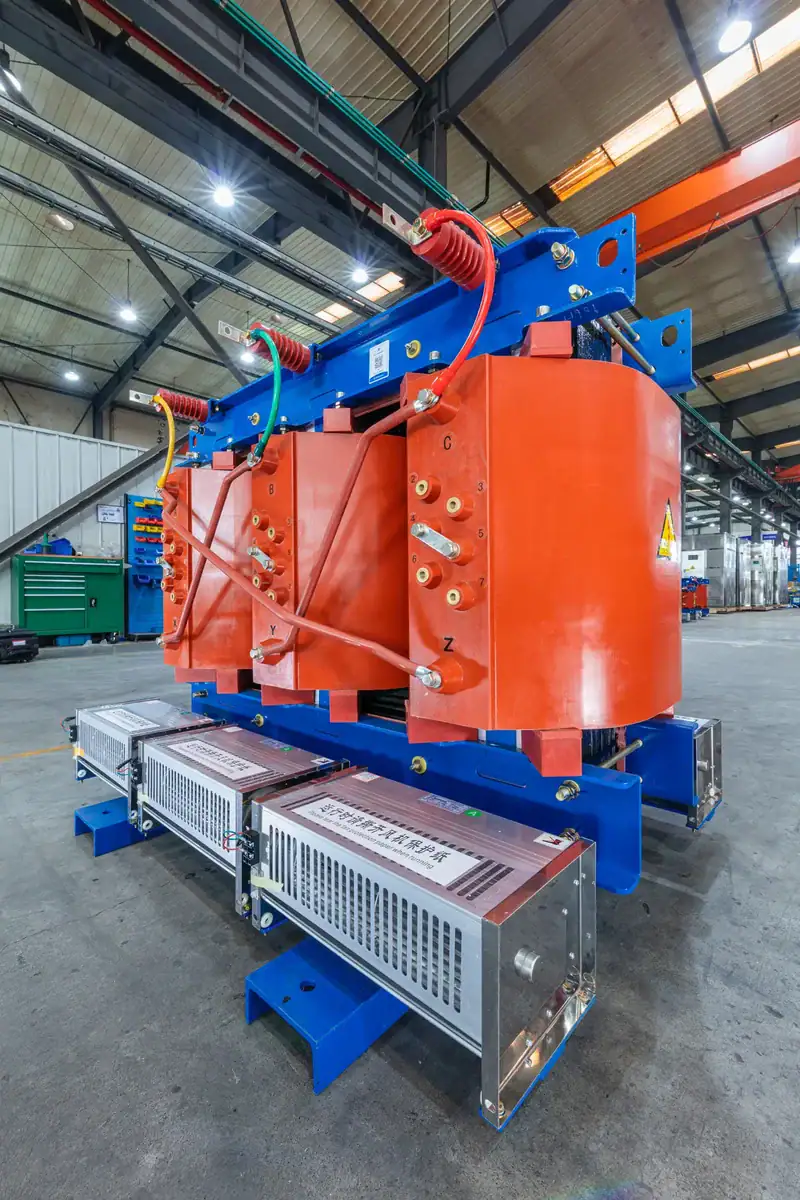
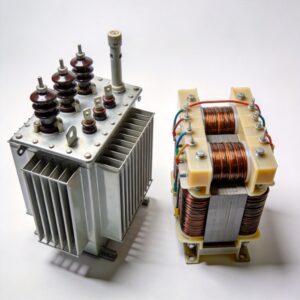
Trocken-Transformatoren Luft als Kühlmedium verwenden. Sie enthalten keine Flüssigkeit und werden aufgrund ihres geringeren Brandrisikos und minimalen Wartungsaufwands typischerweise in Innenräumen eingesetzt. Diese Transformatoren sind ideal für Umgebungen, in denen Brandschutz höchste Priorität hat. Ihre Bauweise macht sie geeignet für Gewerbegebäude, Krankenhäuser und andere Einrichtungen mit strengen Umweltauflagen. Darüber hinaus haben technologische Fortschritte ihre Effizienz verbessert und den Geräuschpegel gesenkt, wodurch sie für städtische Gebiete noch attraktiver geworden sind. Da keine Flüssigkeit enthalten ist, besteht auch kein Risiko von Leckagen, was die Umweltauflagen vereinfacht und die langfristige Haftung reduziert.
Flüssigkeitsgefüllte Transformatoren
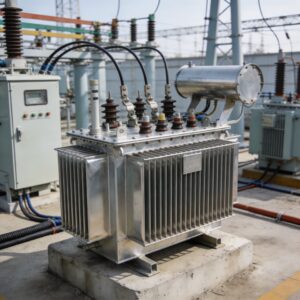
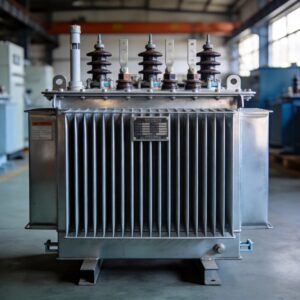
Flüssigkeitsgefüllte Transformatoren hingegen nutzen Öl oder eine andere Flüssigkeit als Kühl- und Isoliermittel. Aufgrund ihrer effizienten Kühlung und längeren Lebensdauer werden sie häufig im Freien oder in bestimmten Industrieumgebungen eingesetzt. Sie können höhere Lasten bewältigen und sind im Allgemeinen robuster gegenüber Spannungsspitzen. Darüber hinaus ermöglicht ihre Bauweise eine bessere Wärmeableitung, was in Anwendungen mit hohem Strombedarf entscheidend sein kann. Die Verwendung von Flüssigkeit erfordert jedoch strenge Sicherheitsvorkehrungen, um Leckagen und Umweltverschmutzung zu verhindern – Faktoren, die die Installations- und Betriebskosten beeinflussen können.

Dimensionsfaktoren
Fußabdruck
Die Stellfläche eines Transformators bezeichnet den von ihm beanspruchten Platz. Dies ist insbesondere bei Projekten mit begrenztem Platzangebot ein entscheidender Faktor. Die physikalischen Abmessungen des Transformators können nicht nur die Erstinstallation, sondern auch die zukünftige Skalierbarkeit und Wartung beeinflussen.
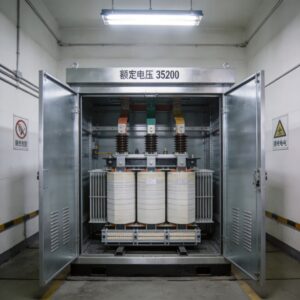
Trockentransformatoren: Sie benötigen in der Regel weniger Platz als ihre flüssigkeitsgefüllten Pendants. Daher werden sie häufig in Innenräumen eingesetzt, wo der Platz begrenzt ist. Dank ihrer kompakten Bauweise lassen sie sich auch in beengten Räumen wie Kellern oder Hauswirtschaftsräumen installieren, ohne dass die Leistung beeinträchtigt wird.
Flüssigkeitsgefüllte Transformatoren: Aufgrund zusätzlicher Komponenten wie Öltanks und Kühlkörpern benötigen sie in der Regel mehr Platz. Flüssigkeitsgefüllte Transformatoren erfordern daher oft spezielle Außengehäuse oder Umspannwerke.
Höhe
Die Höhe ist eine weitere wichtige Dimension, insbesondere bei Installationen mit Deckenhöhenbeschränkungen.
Trockentransformatoren: Aufgrund ihrer Bauart und der notwendigen Luftzirkulation um die Spulen sind sie in der Regel höher. Ihre Höhe kann bei der Sanierung älterer Gebäude mit begrenztem Deckenraum ein limitierender Faktor sein.
Flüssigkeitsgefüllte Transformatoren: Sie sind in der Regel kürzer, aber breiter und bieten Platz für Öltanks und Kühlsysteme. Ihre Bauweise ermöglicht Flexibilität in Umgebungen mit begrenzter Deckenhöhe.
Freiraum und Installationsfläche
Trockentransformatoren: Sie benötigen weniger Freiraum um sich herum und eignen sich daher für beengte Räume. Ihre Installation ist in der Regel unkomplizierter und erfordert weniger Zusatzausrüstung.
Flüssigkeitsgefüllte Transformatoren: Es wird ausreichend Platz für die Ausdehnung und Kühlung des Öls benötigt, weshalb häufig Auffangbecken erforderlich sind, um Öllecks zu verhindern.
Gewicht und Struktur
Trockenart: Sie sind bekannt für ihre kompakte und leichte Bauweise und eignen sich daher ideal für den Innenbereich, wo Platz und Tragfähigkeit begrenzt sind.
Flüssigkeitsgefüllt: Durch die Öltanks und Kühler wird das Fahrzeug sperriger, was das Gesamtgewicht erhöht und die Installation komplexer macht.
Isolierung und Kühlung
Trockentransformatoren: Durch die Verwendung von festen Dämmstoffen wie Epoxidharz wird eine kompakte Bauweise und Brandsicherheit gewährleistet.
Flüssigkeitsgefüllte Transformatoren: Verwenden Sie ölbasierte Isolierung, die eine bessere Kühlung bietet, aber mehr Platz und Wartungsaufwand erfordert.
Sicherheits- und Umweltaspekte
Trockenart: Sicherer dank minimalem Brand- und Umweltrisiko, geeignet für städtische oder sensible Gebiete.
Flüssigkeitsgefüllt: Effizientere Kühlung und längere Lebensdauer, birgt aber das Risiko von Öllecks und Umweltverschmutzung.
Wartung und Lebensdauer
Trockentransformatoren: Sie benötigen weniger Wartung, sind leichter zu inspizieren und es besteht kein Risiko von Öllecks.
Flüssigkeitsgefüllte Transformatoren: Sie haben eine längere Lebensdauer, erfordern aber regelmäßige Wartung zur Ölprüfung und Sicherstellung der Dichtheit.
Wichtige Faktoren, die zu berücksichtigen sind
Verfügbarkeit von Plätzen: Beurteilen Sie die räumlichen Beschränkungen des Standorts und seine zukünftige Skalierbarkeit.
Sicherheitsanforderungen: Beachten Sie die Brandschutz- und Umweltschutzbestimmungen.
Wartungskapazitäten: Ermitteln Sie das verfügbare Personal und die Wartungskosten.
Betriebliche Effizienz: Die anfänglichen Kosten sollten mit Leistung und Langlebigkeit in Einklang gebracht werden.
Schlussfolgerung
Die Wahl zwischen Trocken- und Flüssigkeitstransformatoren hängt von verschiedenen Faktoren ab, darunter Platzangebot, Sicherheitsanforderungen und Wartungsaufwand. Durch das Verständnis der Größenunterschiede und die Berücksichtigung der spezifischen Projektanforderungen können Sie den Transformator auswählen, der Ihren Bedürfnissen am besten entspricht.
Zusammenfassend bieten Trockentransformatoren eine kompakte, sichere und wartungsarme Lösung für Innenanwendungen, während flüssigkeitsgefüllte Transformatoren für den Außenbereich oder industrielle Umgebungen eine effiziente Kühlung und eine längere Lebensdauer gewährleisten. Wägen Sie diese Faktoren sorgfältig ab, um optimale Leistung und Sicherheit Ihrer elektrischen Anlagen sicherzustellen. Letztendlich wird die richtige Wahl den Zielen, dem Budget und den betrieblichen Anforderungen Ihres Projekts entsprechen und so ein erfolgreiches und effizientes Stromverteilungssystem gewährleisten.

 English
 Français
 Español
 Deutsch