
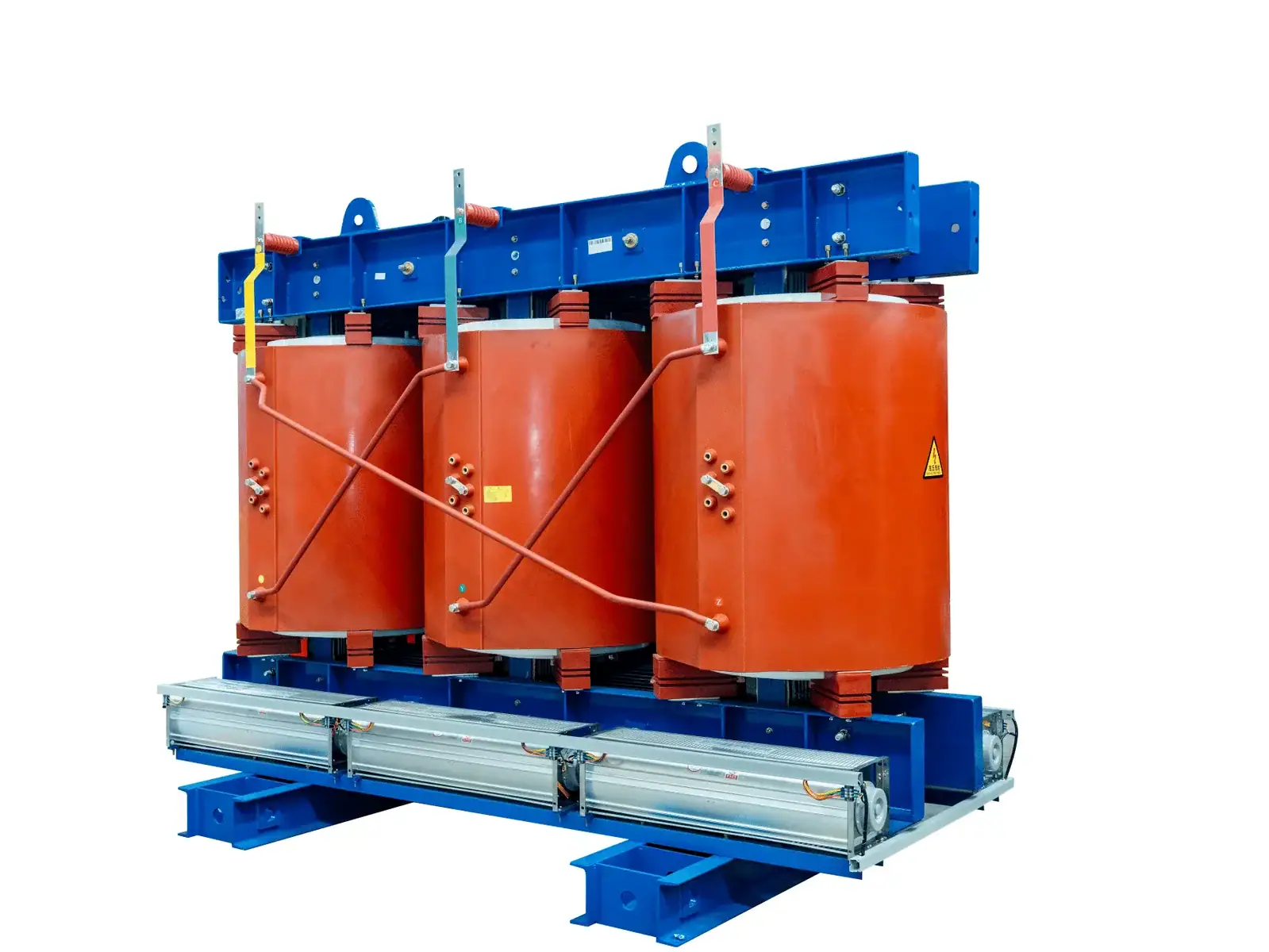
Das Verständnis von Trockentransformatoren kann auf den ersten Blick kompliziert erscheinen, aber eine Aufschlüsselung ihrer wichtigsten Bestandteile macht es einfacher. Diese Transformatoren sind für elektrische Systeme von entscheidender Bedeutung, denn sie bieten Effizienz und Sicherheit, ohne dass eine flüssige Isolierung erforderlich ist. Im Folgenden werden die wesentlichen Bestandteile von Trockentransformatoren erläutert, wobei der Schwerpunkt darauf liegt, wie sie zusammenarbeiten, um eine zuverlässige Stromübertragung zu gewährleisten.

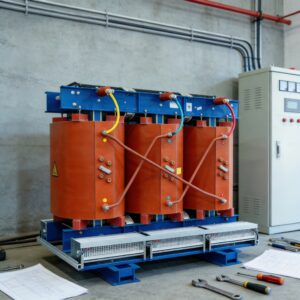
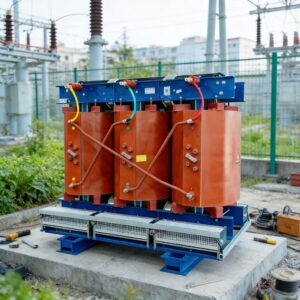
Trockentransformatoren sind elektrische Geräte, die Energie zwischen Stromkreisen durch elektromagnetische Induktion übertragen, ohne Öl oder flüssige Kühlmittel zu verwenden. Das macht sie für den Einsatz in Innenräumen sicherer und umweltfreundlicher. Sie werden häufig in Schulen, Krankenhäusern und Geschäftsgebäuden eingesetzt, in denen der Brandschutz eine wichtige Rolle spielt.
Hauptkomponenten von Trockentransformatoren
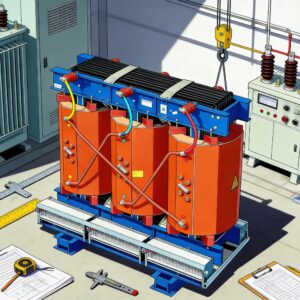
Das Verständnis der Komponenten von Trockentransformatoren ist für jeden, der mit elektrischen Systemen arbeitet oder diese studiert, von wesentlicher Bedeutung. Lassen Sie uns diese Komponenten im Detail untersuchen.
1. Transformatorkern
Der Transformatorkern ist das Herzstück eines Transformators. Er bildet den Weg für den magnetischen Fluss, der für den Induktionsprozess unerlässlich ist. Bei Trockentransformatoren besteht der Kern in der Regel aus laminierten Siliziumstahlblechen, um Energieverluste reduzieren von Wirbelströmen.
- Funktion: Der Kern bündelt das Magnetfeld und sorgt für einen widerstandsarmen Weg.
- Wichtigkeit: Ein gut durchdachter Kern ist entscheidend für die Wirkungsgrad des Transformators.
2. Transformatorspule

Die Transformatorspule ist ein weiteres wichtiges Bauteil, das aus Wicklungen aus Kupfer oder Aluminium besteht. Diese Wicklungen sind um den Kern gewickelt und sind für die Übertragung elektrischer Energie durch elektromagnetische Induktion verantwortlich.
- Primärspule: Sie ist mit der Stromquelle verbunden und erzeugt ein Magnetfeld.
- Sekundärspule: Sie nimmt die Energie aus dem Magnetfeld auf und überträgt sie an die Last.
3. Isolationssystem in Trockentransformatoren
Das Isolationssystem ist entscheidend für die Vermeidung von elektrischen Fehlern und die Gewährleistung der Sicherheit. Bei Trockentransformatoren erfolgt die Isolierung nicht durch Öl, sondern durch Luft oder feste Materialien.
- Arten der Isolierung: Zu den gängigen Materialien gehören Epoxidharz und Glasfaser.
- Funktion: Die Isolierung schützt die Wicklungen und den Kern vor elektrischen Kurzschlüssen und Überhitzung.
4. Epoxidharz-Spule
Epoxidharzspulen werden in einigen Trockentransformatoren zur Verbesserung der Isolierung verwendet. Die Spulen sind in Epoxidharz eingekapselt, das eine hervorragende thermische und elektrische Isolierung bietet.
- Vorteile: Widerstandsfähig gegen Feuchtigkeit, Staub und chemische Verunreinigungen.
- Anwendungen: Ideal für Umgebungen, in denen mit rauen Bedingungen zu rechnen ist.
5. Transformatorbuchsen
Transformatorendurchführungen sind für den Anschluss der internen Komponenten des Transformators an externe Stromkreise von entscheidender Bedeutung. Sie bieten einen sicheren Durchgang für elektrische Leiter durch das Gehäuse des Transformators.
- Arten: Buchsen können aus Porzellan oder Verbundwerkstoffen hergestellt werden.
- Die Rolle: Sie stellen sicher, dass die elektrischen Verbindungen stabil und vom Transformatorgehäuse isoliert sind.
6. Kühlsystem in Transformatoren

Kühlungssysteme in Transformatoren sind erforderlich, um die während des Betriebs entstehende Wärme zu bewältigen. Trockentransformatoren werden mit Luft gekühlt, im Gegensatz zur Ölkühlung, die bei flüssigkeitsgefüllten Transformatoren verwendet wird.
- Methoden: Natürliche Luftkühlung (AN) und forcierte Luftkühlung (AF).
- Zweck: Die Temperatur des Transformators innerhalb sicherer Grenzen zu halten, um eine Überhitzung zu verhindern und seine Lebensdauer zu verlängern.
7. VPI-Transformator-Komponenten
Die Vakuum-Druck-Imprägnierung (VPI) ist ein Verfahren zur Verbesserung der Isolierung und Haltbarkeit von Transformatorenkomponenten. Dabei werden die Wicklungen unter Vakuum und Druck mit Harz imprägniert.
- Vorteile: Verbessert die Feuchtigkeitsbeständigkeit und mechanische Festigkeit.
- Verwendung: Häufig in Umgebungen, die hohe Zuverlässigkeit und Leistung erfordern.
Die Wichtigkeit des Verständnisses von Transformatorteilen
Das Verständnis der Komponenten von Trockentransformatoren ist nicht nur für Ingenieure von Vorteil, sondern auch für alle, die mit der Wartung und Installation von elektrischen Systemen zu tun haben. Zu wissen, wie jedes Teil funktioniert und mit den anderen interagiert, kann bei der Fehlersuche und Wartung helfen und eine optimale Leistung sicherstellen.
Erweiterungen in modernen Transformatoren
Moderne Trockentransformatoren enthalten fortschrittliche Materialien und Technologien zur Verbesserung von Effizienz und Sicherheit. Innovationen bei den Isoliermaterialien, der Kernkonstruktion und den Kühlmethoden verbessern ihre Leistung kontinuierlich.
- Intelligente Transformatoren: Ausgestattet mit Sensoren und Überwachungssystemen für die Echtzeitdiagnose.
- Umweltverträgliche Designs: Verwendung recycelbarer Materialien und energieeffizienter Verfahren.
Schlussfolgerung
Trockentransformatoren sind ein wichtiger Bestandteil sicherer und effizienter elektrischer Systeme. Wenn Sie ihre Hauptkomponenten - wie Kern, Spule, Isolierung und Kühlsysteme - verstehen, können Sie nachvollziehen, wie sie funktionieren und zu einer zuverlässigen Energieversorgung beitragen. Ganz gleich, ob Sie Elektroingenieur oder Wartungstechniker sind oder sich einfach nur für elektrische Systeme interessieren, die Kenntnis der Grundlagen von Transformatorenkomponenten ist unerlässlich. Mit dem kontinuierlichen Fortschritt in der Technologie werden Trockentransformatoren ein Eckpfeiler der modernen elektrischen Infrastruktur bleiben, der Sicherheit, Effizienz und Umweltaspekte in Einklang bringt.

 English
 Français
 Español
 Deutsch