
In der sich ständig weiterentwickelnden Welt der Elektrotechnik ist die Nachfrage nach effizienten und zuverlässigen Transformatoren ungebrochen. Im Zentrum dieser technologischen Revolution steht der Hersteller von Trockentransformatoren – eine stille, aber unverzichtbare Kraft, die Innovation und Nachhaltigkeit in der Energieverteilung vorantreibt. Doch was unterscheidet die Marktführer von den Nachzüglern in diesem wettbewerbsintensiven Umfeld? Es geht nicht nur darum, ein Gerät herzustellen, das die Spannung sicher reduziert; es geht um die Integration fortschrittlicher Technologien, die Sicherstellung gleichbleibender Qualität und einen beispiellosen Kundenservice, der einen Hersteller wirklich auszeichnet.
Stellen Sie sich vor: eine pulsierende Stadt, erleuchtet von unzähligen Lichtern und voller Energie. Hinter dieser lebendigen Szenerie verbirgt sich ein komplexes Netzwerk von Transformatoren, die unermüdlich die Stromversorgung gewährleisten. Die Zuverlässigkeit eines solchen Systems hängt maßgeblich vom Know-how und Engagement der Hersteller ab, die diese Transformatoren entwickeln und produzieren. Indem wir die wichtigsten Merkmale führender Hersteller untersuchen, enthüllen wir die Geheimnisse, wie sie die Industriestandards nicht nur erfüllen, sondern übertreffen und so die Stromversorgung der Städte und den Fortschritt sichern. Tauchen wir ein in die Welt der Pioniere im Bereich der Trockentransformatorherstellung.

Einsatz fortschrittlicher Technologien
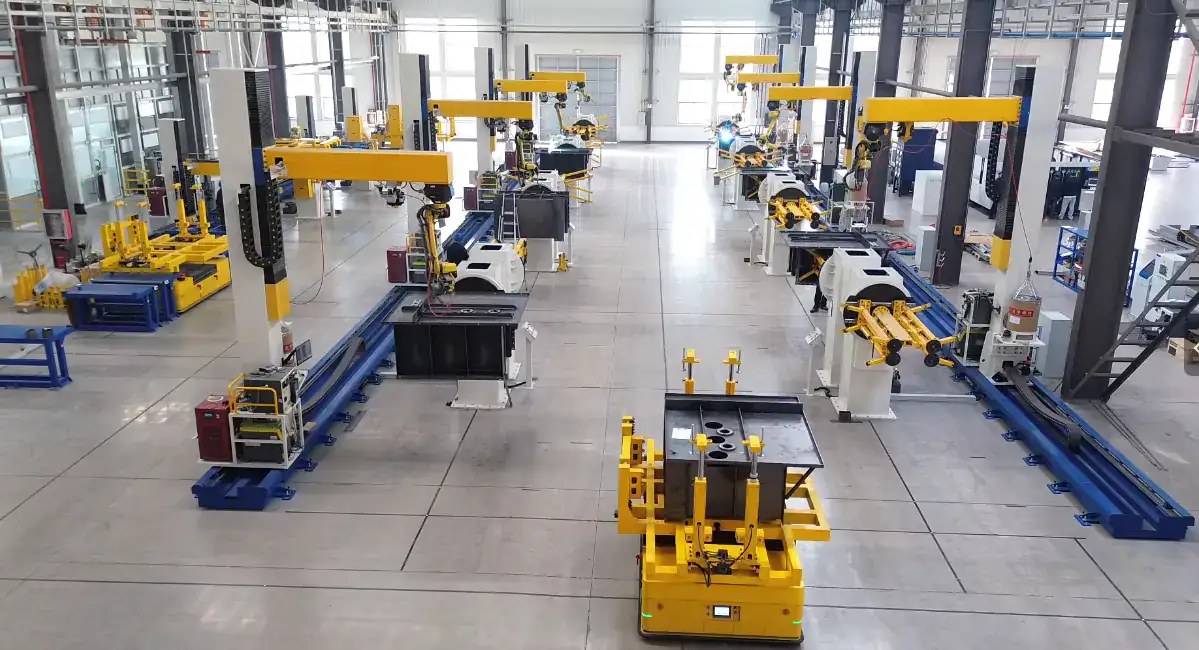
Führende Hersteller von Trockentransformatoren sind Vorreiter bei der Anwendung modernster Werkzeuge und Methoden zur Verbesserung von Produktleistung und Zuverlässigkeit. Durch die Integration von Finite-Elemente-Analyse-Software (FEA) in ihren Entwicklungsprozess können sie elektromagnetische Felder präzise modellieren und Kerngeometrie sowie Wicklungskonfigurationen optimieren, noch bevor ein einziges Werkstück zugeschnitten wird. Diese virtuelle Prototypenerstellung reduziert kostspielige Versuchszyklen, beschleunigt die Markteinführung und gewährleistet, dass jeder Transformator strenge Effizienz- und Sicherheitsstandards erfüllt. Darüber hinaus bieten Robotik und automatisierte Spulenwickelmaschinen unübertroffene Präzision, minimieren menschliche Fehler und liefern gleichbleibende Qualität in jeder Charge.
Über Konstruktion und Montage hinaus nutzen diese Hersteller Echtzeit-Datenanalysen und Zustandsüberwachungssysteme während der gesamten Produktion. In die Fertigungslinien integrierte Sensoren erfassen Temperatur, Vibrationen und elektrische Parameter und speisen diese in KI-gestützte Dashboards ein, die Anomalien sofort aufzeigen. Dieser proaktive Ansatz zur Qualitätskontrolle beugt nicht nur Fehlern frühzeitig vor, sondern liefert auch eine Fülle von Betriebsdaten zur kontinuierlichen Prozessoptimierung. Für einen Hersteller von Trockentransformatoren bedeutet die Investition in IoT-Konnektivität, digitale Zwillinge und Algorithmen für maschinelles Lernen robuste Anlagen, schnellere Produktionszyklen und die Möglichkeit, kundenspezifische Lösungen anzubieten, ohne Kompromisse bei Lieferzeiten oder Zuverlässigkeit einzugehen.
Innovation im Design
Innovation im Design ist ein Markenzeichen führender Hersteller von Trockentransformatoren. Sie gehen über traditionelle laminierte Kernstrukturen hinaus und erforschen amorphe Metalllegierungen und Ferrite mit hohem Fluss, die die Kernverluste deutlich reduzieren. Durch den Einsatz von Vakuumdruckimprägnierung (VPI) und Gießspulentechnologie erzielen diese Hersteller eine überlegene Isolationsintegrität und thermische Leistung. Das Ergebnis ist ein Transformator, der höheren Überlasten standhält und auch unter schwankenden Lastbedingungen eine konstante Leistung liefert – entscheidend für Branchen mit variablem Leistungsbedarf.
Modularität ist ein weiterer Trend, der bahnbrechende Designinnovationen vorantreibt. Anstatt Einheitslösungen anzubieten, stellen führende Hersteller skalierbare Transformatorenplattformen mit austauschbaren Modulen für unterschiedliche kVA-Leistungen, Kühlmethoden oder Montagearten bereit. Diese Modularität verkürzt nicht nur die Lieferzeiten, sondern vereinfacht auch die Wartung vor Ort und zukünftige Erweiterungen. Ein zukunftsorientierter Hersteller von Trockentransformatoren kombiniert innovative Kernmaterialien, fortschrittliche Imprägnierungsverfahren und modulare Architekturen, um kompakte, energieeffiziente Lösungen zu schaffen, die neue Maßstäbe in puncto Leistung und Lebensdauer setzen.
Nachhaltige Fertigungspraktiken
Umweltverantwortung ist heute eine Grundvoraussetzung für jeden seriösen Hersteller von Trockentransformatoren. Grüne Fabriken, die mit erneuerbarer Energie betrieben werden – Solaranlagen auf den Dächern, Windkraftanlagen auf dem Gelände – werden zum Standard. In diesen Produktionsstätten reduzieren Lean-Manufacturing-Prinzipien durch Wertstromanalyse Abfall, während Six-Sigma-Methoden Prozessstabilität und Fehlerreduzierung gewährleisten. Restmaterialien wie Kupferreste oder Epoxidharze werden recycelt oder wiederverwendet, wodurch die Abfallmenge auf Deponien minimiert und die Produktionskosten insgesamt gesenkt werden.
Darüber hinaus halten sich viele Hersteller an die Umweltmanagementnorm ISO 14001 und führen regelmäßige Audits durch, um die Einhaltung der Standards zu überprüfen und kontinuierliche Verbesserungen zu erzielen. Für die Spulenimprägnierung werden ozonunschädliche Mittel und VOC-arme (flüchtige organische Verbindungen) Lacke verwendet, um die Auswirkungen auf die Luftqualität zu minimieren. Das zur Anlagenkühlung verwendete Wasser wird aufbereitet und wiederverwendet, und die Verpackungsmaterialien sind auf Recyclingfähigkeit optimiert. Diese Maßnahmen unterstreichen das Engagement für nachhaltige Praktiken, die sowohl bei umweltbewussten Kunden als auch bei Aufsichtsbehörden Anklang finden und den Hersteller als verantwortungsvollen Partner im globalen Bestreben nach einer saubereren Energieinfrastruktur positionieren.
Innovative Technologieintegration
Führende Hersteller von Trockentransformatoren bieten mehr als nur Einzelprodukte: Sie integrieren intelligente Überwachungs- und Steuerungsfunktionen direkt in die Transformatorengehäuse. Durch die Integration von IoT-Sensoren ermöglichen sie die Echtzeit-Überwachung von Temperatur, Luftfeuchtigkeit und Teilentladungen und bieten Kunden so einen beispiellosen Einblick in den Zustand ihrer Anlagen. Diese nahtlose Vernetzung ermöglicht die frühzeitige Fehlererkennung, reduziert ungeplante Ausfallzeiten und verlängert die Lebensdauer der Geräte.
Fortschrittliche Hersteller setzen zudem auf digitale Zwillinge – virtuelle Abbilder physischer Transformatoren, die deren Betriebsverhalten unter verschiedenen Bedingungen widerspiegeln. Durch den kontinuierlichen Datenaustausch zwischen dem physischen Gerät und seinem digitalen Gegenstück prognostizieren Algorithmen für die vorausschauende Wartung potenzielle Ausfälle, optimieren das Lastmanagement und steuern proaktive Serviceeinsätze. Solche integrierten Lösungen zeigen, wie ein Hersteller von Trockentransformatoren eine passive Anlage in ein interaktives Element eines intelligenten Stromnetzes verwandeln und so den Weg für das Energiemanagement der nächsten Generation ebnen kann.
Unübertroffener Kundenservice
Herausragender Kundenservice zeichnet führende Hersteller von Trockentransformatoren aus. Von der ersten Anfrage über die Installation bis hin zum laufenden Betrieb bieten sie umfassende Unterstützung. Die Vertriebsteams arbeiten eng mit den Ingenieuren zusammen, um die Anforderungen vor Ort zu verstehen, führen Laststudien und Kurzschlussanalysen durch und empfehlen so die optimale Transformatorkonfiguration. Unsere Ingenieure erstellen detaillierte CAD-Zeichnungen, 3D-Modelle und Layoutpläne, um eine nahtlose Integration in bestehende Umspannwerke oder Produktionshallen zu gewährleisten.
Nach der Lieferung übernehmen spezialisierte Serviceteams die Inbetriebnahme, die Prüfung vor Ort und die Leistungsüberprüfung. Über Ferndiagnoseplattformen haben Techniker rund um die Uhr Zugriff auf die Transformatordaten und können Probleme beheben, ohne Außendienstmitarbeiter entsenden zu müssen. Die Ersatzteillager sind weltweit synchronisiert, was den schnellen Austausch kritischer Komponenten gewährleistet. Schulungsprogramme und detaillierte Wartungshandbücher schulen das Kundenpersonal, während regelmäßige Standortprüfungen und Thermografieuntersuchungen zur Aufrechterhaltung optimaler Effizienz beitragen. Diese umfassende Unterstützung unterstreicht, warum ein Hersteller von Trockentransformatoren zu einem langfristigen Partner und nicht nur zu einem einmaligen Lieferanten wird.
Nachhaltige und umweltfreundliche Praktiken
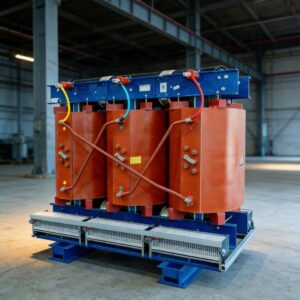
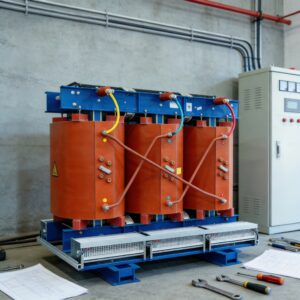
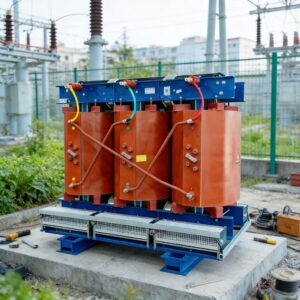
Neben der Optimierung von Fertigungsprozessen setzen führende Hersteller von Trockentransformatoren auf Nachhaltigkeit auf Produktebene. Da Trockentransformatoren kein Öl enthalten, werden Leckagerisiken und Bodenverunreinigungen vermieden, wodurch sie sich ideal für den Einsatz in Innenräumen oder in umweltsensiblen Umgebungen eignen. Isoliermaterialien wie Epoxidharze und Duroplaste werden aufgrund ihrer Recyclingfähigkeit und geringen Toxizität ausgewählt. So wird sichergestellt, dass Kern- und Wicklungskomponenten am Ende ihrer Lebensdauer sicher zurückgewonnen und wiederverwendet werden können.
Lebenszyklusanalysen (LCA) quantifizieren den ökologischen Fußabdruck von der Rohstoffgewinnung bis zur Entsorgung und dienen als Grundlage für die Materialauswahl und Designanpassungen zur Minimierung von CO₂-Emissionen. Durch die Teilnahme an Kreislaufwirtschaftsinitiativen führen Hersteller ausgediente Transformatoren wieder auf, überholen wiederverwendbare Teile und recyceln Metalle und Polymere verantwortungsvoll. Dieser Cradle-to-Cradle-Ansatz demonstriert ein umfassendes Engagement für ökologischen Umweltschutz und stärkt den Ruf eines Herstellers von Trockentransformatoren, dem der Planet ebenso wichtig ist wie die Leistung.
Effiziente Produktionsprozesse und Lieferzeiten
In den heutigen schnelllebigen Märkten kann die Lieferzeit über Erfolg oder Misserfolg eines Projekts entscheiden. Führende Hersteller setzen auf schlanke Produktionsstrategien in Kombination mit fortschrittlichen Produktionsplanungssystemen, um Flexibilität und Durchsatz optimal auszubalancieren. Enterprise-Resource-Planning-Systeme (ERP) und Manufacturing-Execution-Systeme (MES) synchronisieren Materialbeschaffung, Arbeitsablaufplanung und Qualitätskontrollen und gewährleisten so einen reibungslosen Ablauf jedes Transformators – von der Spulenwicklung über die Kernmontage und Lackierung bis hin zur Endprüfung.
Flexible Fertigungszellen mit Schnellwechselwerkzeugen ermöglichen schnelle Artikelwechsel und bewältigen sowohl Kleinserien als auch Großserien ohne Effizienzeinbußen. Just-in-Time-Lagerhaltung (JIT) hält die Lagerkosten niedrig und gewährleistet die Verfügbarkeit kritischer Komponenten – wie z. B. Spezialbleche oder Kupfersammelschienen – zum gewünschten Zeitpunkt. Rapid Prototyping mit 3D-gedruckten Vorrichtungen und Modellbaugruppen beschleunigt die Designvalidierung. Diese Prozessoptimierungen ermöglichen es einem Hersteller von Trockentransformatoren, kundenspezifische Einheiten innerhalb wettbewerbsfähiger Zeiträume zu liefern, dringende Einsatzanforderungen zu erfüllen und das Gesamtprojektrisiko zu reduzieren.
Fazit: Der Fahrplan für einen führenden Hersteller von Trockentransformatoren
Zusammenfassend lässt sich sagen, dass herausragende Leistungen in der Herstellung von Trockentransformatoren auf dem Zusammenspiel fortschrittlicher Technologien, innovativem Design und einem konsequenten Engagement für Nachhaltigkeit beruhen. Durch die Digitalisierung und intelligente Integration können Hersteller die Produktleistung verbessern und gleichzeitig die Umweltbelastung minimieren.
Ergänzt durch umfassenden Kundenservice und optimierte Produktionsprozesse bilden diese Merkmale das Erfolgsrezept, das Branchenführer von anderen unterscheidet. Für Unternehmen, die zuverlässige, effiziente und umweltfreundliche Lösungen für die Stromverteilung suchen, sichert die Partnerschaft mit einem führenden Hersteller von Trockentransformatoren nicht nur einen Kauf, sondern einen strategischen Vorteil in einem sich rasant wandelnden Energiemarkt.

 English
 Français
 Español
 Deutsch